



Why Is August Special for Saturn?
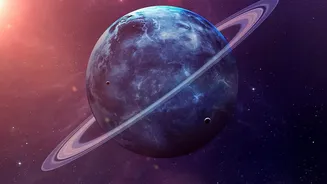
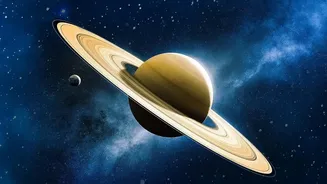
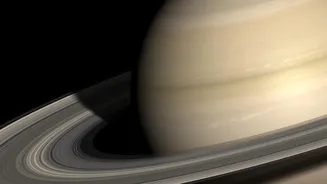
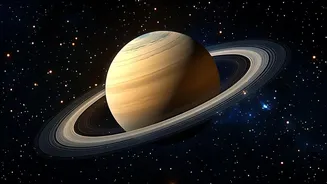
Throughout August, Saturn is steadily brightening as it moves towards a major celestial event known as opposition. While the exact date of opposition falls on October 4, 2026, the weeks leading up to it provide an extended window of fantastic viewing.
During this period, Earth is positioned between Saturn and the Sun, making the ringed planet appear bigger and brighter in our night sky than at any other time of the year. Think of it as a cosmic alignment that puts Saturn directly in the spotlight. It will rise in the east around sunset and remain visible all night long, making it exceptionally convenient to observe.
When and Where to Look
Saturn will be visible every clear night in August. Early in the month, it will rise in the eastern sky around mid-evening, but by the end of August, it will be visible much earlier, rising closer to 9 PM. The planet will be located in the constellation Pisces, which doesn't have many bright stars, making the steady, golden glow of Saturn relatively easy to pinpoint. For viewers across India, looking towards the east as night falls will be the key. As the hours pass, the planet will journey across the southern sky, reaching its highest point after midnight before setting in the west around sunrise.
Your Viewing Guide: Naked Eye to Telescope
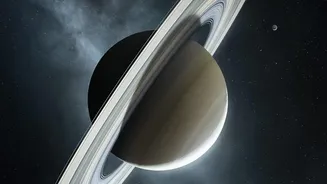
You don't need expensive equipment to enjoy this celestial show. To the naked eye, Saturn will look like a bright, non-twinkling star with a distinct yellowish-white hue. If you have a pair of binoculars, you'll be able to resolve Saturn from a point of light into a tiny, noticeably elongated disc. This is because you're beginning to see the shape of its famous rings. However, to truly witness the 'wow' moment, a small telescope is your best friend. Even a modest telescope will clearly reveal the magnificent ring system, separated from the planet's disk. It's a breathtaking sight that brings the wonders of the solar system to your own backyard.
Tips for Urban and Rural Stargazers
Light pollution is the biggest challenge for city-based astronomers. The good news is that Saturn is bright enough to cut through a fair amount of urban skyglow. Find a spot with an unobstructed view of the eastern and southern sky, like a rooftop or an open park. The key is to let your eyes adapt to the darkness for at least 20-30 minutes. Avoid looking at your bright phone screen. For those in rural India with darker skies, the view will be even more spectacular. You'll not only see Saturn clearly but also the fainter stars of the Pisces constellation around it. To pinpoint the planet's exact location, consider using a stargazing app on your phone with its screen set to a red night-vision mode.
A Bonus Show: The Perseid Meteor Shower
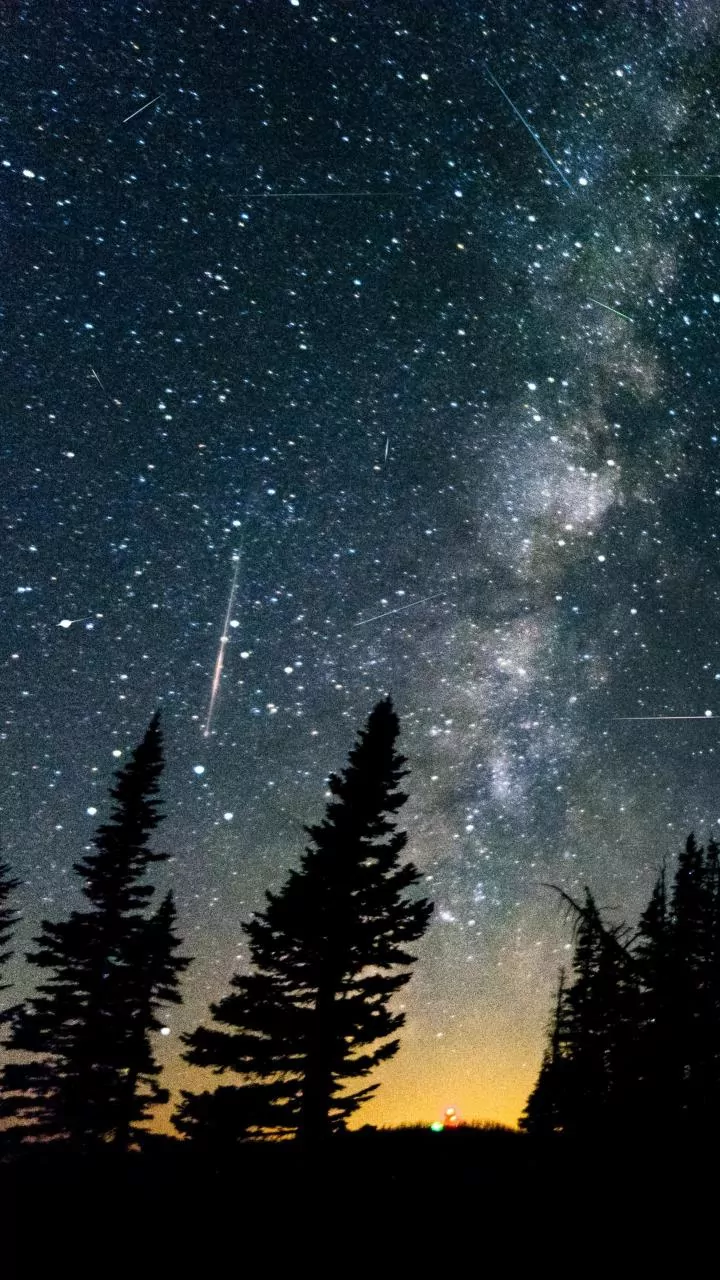
While Saturn is the main attraction, August also hosts the famous Perseid meteor shower, which peaks on the night of August 12-13. On this night, the Moon will be new, meaning the sky will be perfectly dark for spotting shooting stars. While the monsoon can mean cloudy skies for much of India, any clear patch of sky after midnight could reward you with dozens of meteors per hour. For the best chances, look towards the northeast, towards the constellation Perseus. It’s a wonderful bonus to your Saturn-watching session.