


The Sweetness of Tradition
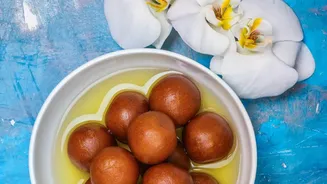
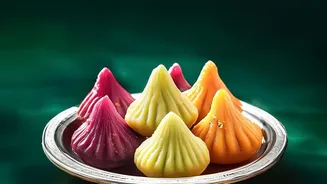
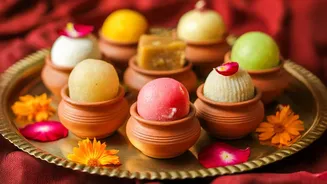
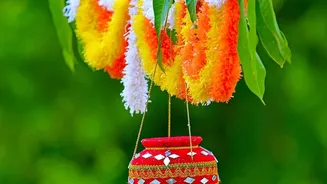
Janmashtami, celebrating the birth of Lord Krishna, is a festival steeped in devotion and flavour. Central to the celebrations are the 'bhog' or offerings, particularly those reminiscent of Krishna's childhood love for butter and sweets. Traditional treats
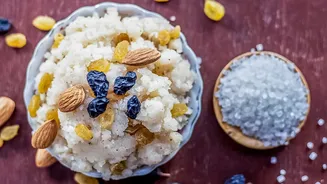
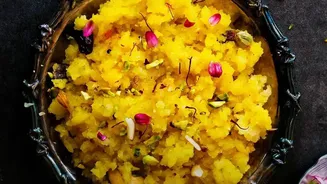
like Makhan Mishri (freshly churned white butter mixed with rock sugar), Panjiri (a roasted whole wheat flour preparation), and various laddoos are prepared in homes across the country. These recipes, passed down through generations, are rich, decadent, and historically high in clarified butter (ghee) and refined sugar—ingredients that signify purity and abundance. They are more than just desserts; they are an edible form of prayer and a symbol of communal joy.
A Health-Conscious Awakening
In recent years, a significant shift has been occurring, driven largely by younger Indians who are more health-conscious than ever before. While the love for festive food remains, there's a growing understanding of the effects of refined sugar and excessive fats on long-term health. This awareness is leading many to question if they can keep the spirit of the festival alive without compromising their wellness goals. The answer, it turns out, is a resounding 'yes'. This movement isn't about rejection but reinvention, finding a balance where devotion meets nutrition. It’s a trend that sees young chefs, home cooks, and community groups leading the charge in adapting age-old recipes for contemporary lifestyles.
The Low-Sugar Makeover
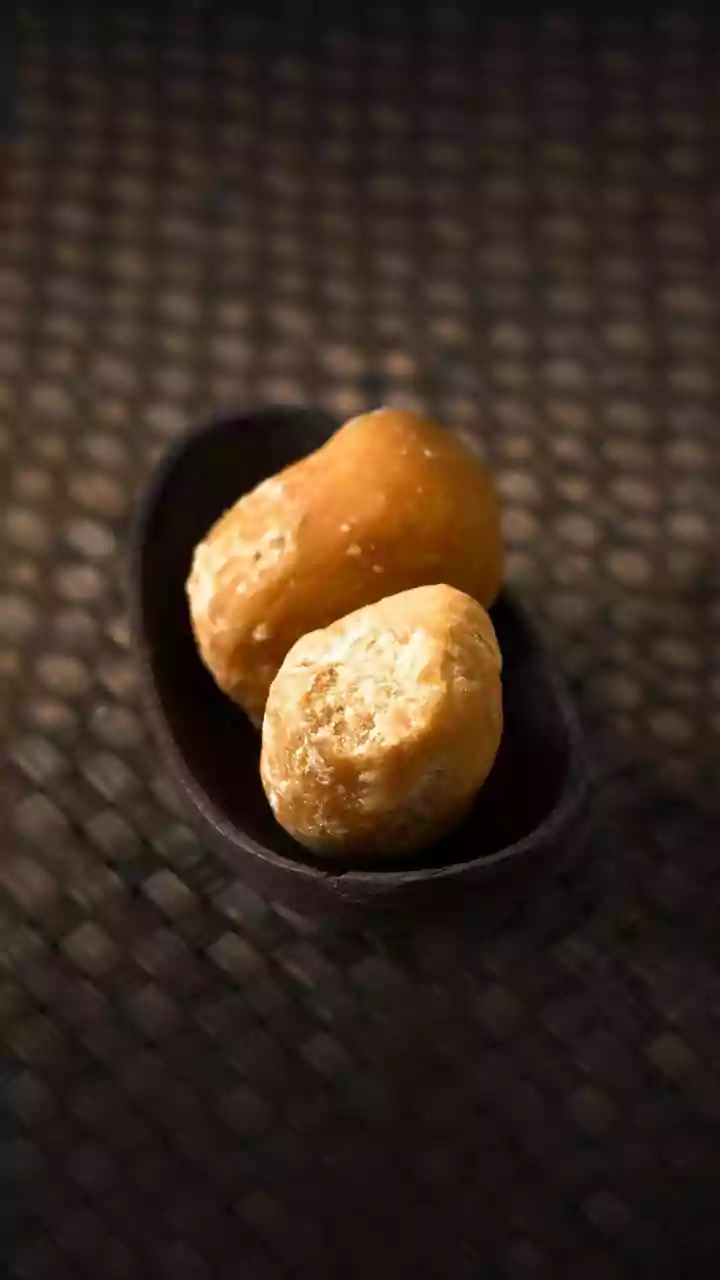
So, how exactly are these traditional treats being reinvented? The primary change lies in the choice of sweeteners. Refined white sugar and mishri (rock sugar) are being swapped out for natural alternatives. Jaggery (gur), with its earthy, caramel-like flavour, is a popular choice, providing sweetness along with trace minerals like iron and magnesium. Dates, blended into a paste, offer natural sweetness and binding properties, perfect for laddoos and barfis. Other alternatives include honey, coconut sugar, and even calorie-free options like stevia, which provide sweetness without spiking blood sugar levels. For instance, a traditional Panjiri can be made by replacing sugar with powdered jaggery or finely chopped dates, instantly making it more nutrient-dense.
Community and a Modern Prasad
The term 'youth collectives' captures the spirit of this movement, which is often a collaborative and community-led effort. While not always formal organizations, these groups manifest as friends cooking together for a community potluck, food bloggers sharing healthy recipes online, and young entrepreneurs launching brands focused on artisanal, low-sugar Indian sweets. They use social media to share ideas, from making 'sugar-free shrikhand' using hung curd and fruit puree to creating 'dry fruit laddoos' that rely solely on the natural sweetness of dates, figs, and raisins. This grassroots movement is effectively creating a new culinary narrative for festivals—one that is inclusive of people with dietary restrictions, such as diabetes, and appealing to a broader, health-aware audience.
Honouring Tradition, Embracing Health
This innovative approach is not seen as a departure from tradition but as its evolution. The essence of the prasad—the act of preparing and offering food with devotion—remains unchanged. The core ingredients, like whole wheat flour in Panjiri or fresh butter in Makhan Mishri, are still celebrated. By making intelligent swaps, these young innovators are ensuring that the culinary traditions of Janmashtami can be passed down and enjoyed for generations to come, fitting seamlessly into a world that values both heritage and well-being. The result is a celebration that feels just as indulgent and joyous, but with a lighter, more mindful touch.