




What Are El Niño and La Niña?
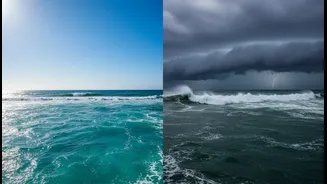
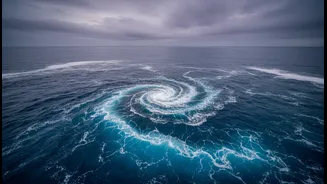
El Niño and La Niña are the two opposite phases of a single, powerful climate phenomenon called the El Niño-Southern Oscillation, or ENSO. Think of it as a massive, irregular cycle of warming and cooling in the ocean. El Niño, which means "the little
boy" in Spanish, is the warm phase, characterized by unusually warm ocean temperatures in the central and eastern equatorial Pacific Ocean. La Niña, or "the little girl," is its opposite: the cool phase, marked by below-average sea surface temperatures in the same region. These are not just minor temperature shifts; they are significant enough to alter weather patterns across the globe.
A Tale of Shifting Winds and Water
The engine behind the Indian monsoon is a complex system of atmospheric pressure and winds. Normally, strong trade winds blow from east to west across the Pacific, piling up warm water in the western Pacific near Asia and Indonesia. During an El Niño event, these trade winds weaken or even reverse. This allows the massive pool of warm water to slosh back eastward, toward the Americas. This major shift in ocean heat changes the entire atmospheric circulation pattern above it, which has knock-on effects that ripple across the globe and directly interfere with the winds that carry moisture to India. La Niña does the reverse; it supercharges the normal trade winds, pushing even more warm water to the west and cooling the eastern Pacific further, which also impacts global weather.
The Direct Link to India's Monsoon
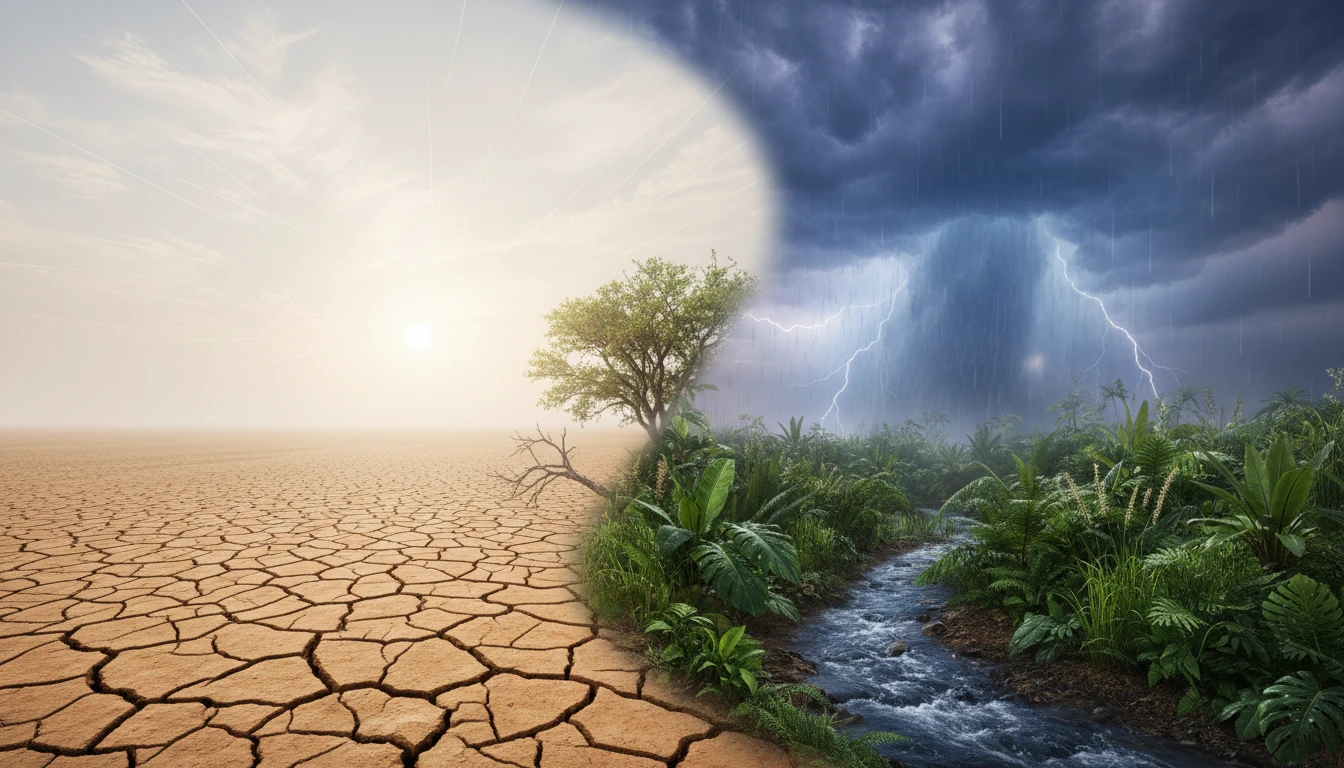
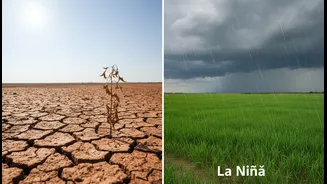
The Indian monsoon is fundamentally a giant sea breeze, driven by the temperature difference between the land and the ocean. El Niño disrupts this process. The warming of the eastern Pacific creates a high-pressure system over the Indian subcontinent, which effectively weakens the monsoon winds. These weakened winds can't carry as much moisture from the ocean to the land, leading to reduced rainfall. Historically, El Niño years are strongly associated with below-normal rainfall and even drought conditions in India. Conversely, La Niña is generally a friend to the Indian monsoon. The cooling of the eastern Pacific reinforces the normal circulation patterns, often leading to stronger monsoon winds and above-average rainfall, sometimes to the point of causing floods.
El Niño's Impact: Deficits and Drought
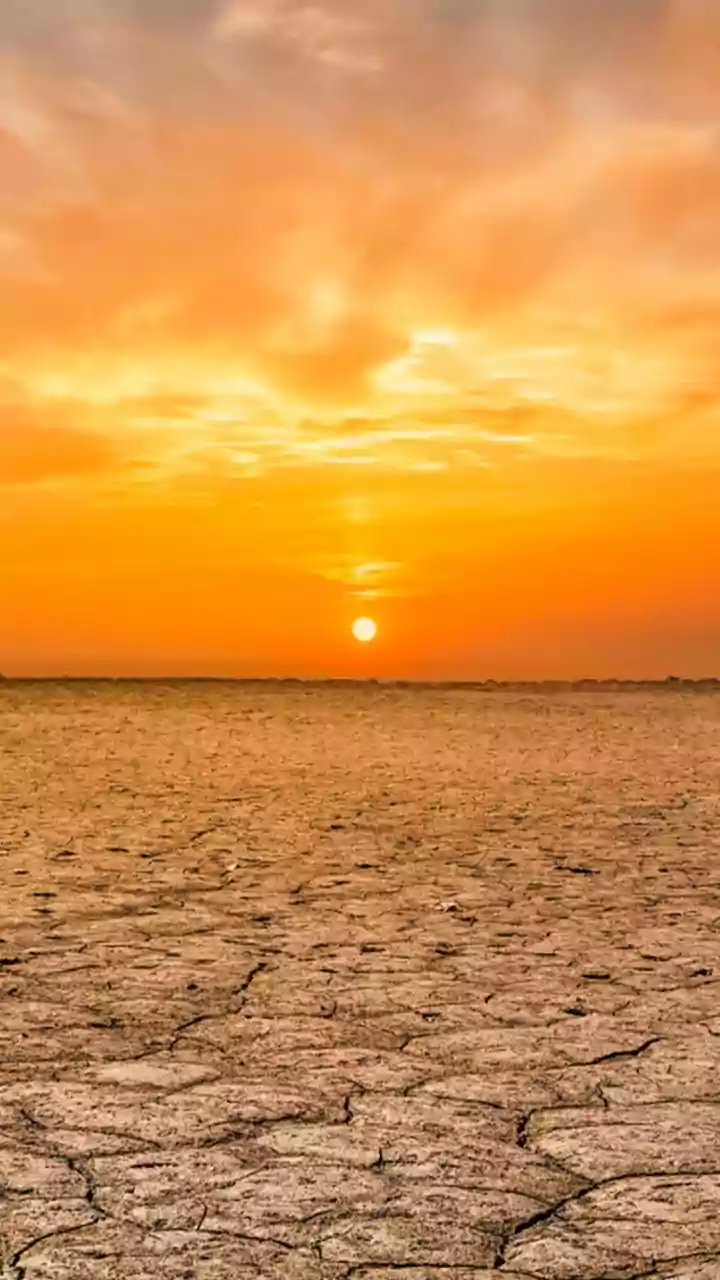
The consequences of a weak, El Niño-affected monsoon are severe for India. With nearly half of its farmland being rain-fed, a rainfall deficit directly impacts the Kharif (monsoon) crops like rice, soybeans, and cotton. This can lead to lower agricultural output, which in turn hurts rural incomes and can drive up food price inflation across the country. It also puts immense stress on water reservoirs, affecting drinking water supplies and hydropower generation. Forecasts for July 2026, for example, have indicated below-normal rainfall linked to strengthening El Niño conditions, prompting high-level government reviews to prepare for the potential economic fallout.
La Niña's Role: Floods and Bountiful Harvests
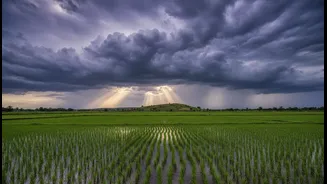
La Niña presents the opposite scenario. The typically enhanced rainfall can lead to bumper harvests, replenish reservoirs, and boost the rural economy. However, a strong La Niña is not without its risks. The same phenomenon that brings beneficial rains can also cause widespread flooding, landslides, and damage to infrastructure, especially if the rainfall is excessive and concentrated. It can also lead to colder-than-usual winters in northern India. The key is balance; a moderate La Niña often brings what is considered a "good" monsoon, but an extreme event can be just as disruptive as an El Niño-induced drought.
It's Not a Simple On-Off Switch
While the correlation is strong, it's important to remember that not every El Niño year results in a severe drought, and not every La Niña brings floods. The 1997-98 El Niño, one of the strongest on record, was followed by an above-average monsoon. This is because other climate factors also play a role. A key secondary player is the Indian Ocean Dipole (IOD), a similar pattern of warming and cooling that occurs within the Indian Ocean itself. A "positive" IOD can sometimes counteract El Niño's negative effects and help the monsoon. This complex interplay means that forecasting the monsoon's performance requires monitoring the Pacific, the Indian Ocean, and a host of other variables.