




Why the Change in Cravings?
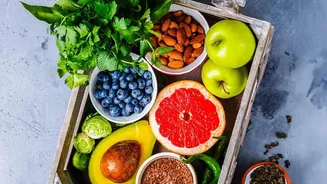
The transformation in India's snack drawers is no accident; it’s a reflection of deeper lifestyle changes. A growing awareness of health and wellness is a primary driver. With rising instances of lifestyle diseases, many are becoming more conscious of their
dietary habits and seeking out foods that offer nutritional benefits. This trend is fuelled by compressed urban lifestyles, where convenience is key, but not at the expense of health. Consumers are looking for on-the-go options that are both easy to eat and packed with goodness. The Indian healthy snacks market is responding to this demand, with projections showing significant growth. Market analysts expect revenues to climb from over USD 4.4 billion in 2025 to more than USD 8.1 billion by 2033.
The Rise of Nuts and Seeds
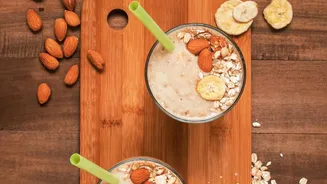
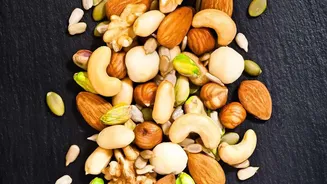
Once reserved for festive sweets or special occasions, nuts and seeds are now everyday heroes. Almonds, walnuts, chia seeds, and flax seeds have become go-to snacks, valued for their powerful nutritional profiles. They are excellent sources of plant-based protein, healthy monounsaturated and polyunsaturated fats, and dietary fibre. These nutrients contribute to a feeling of fullness, help regulate body weight, and offer protective effects against conditions like heart disease. In fact, a recent survey found that nuts, seeds, and trail mixes are the dominant category in the healthy snacks market. This segment's popularity comes from its ability to offer a satisfying crunch along with a host of vitamins and minerals like magnesium, zinc, and vitamin E.
Protein Becomes a Mainstream Priority
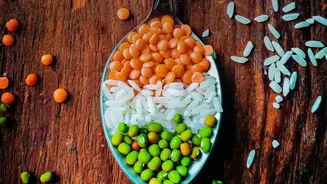
Protein is no longer a niche interest for gym-goers; it has become a mainstream nutritional goal for the average Indian. Studies reveal that a vast majority of consumers, around 86%, now consider protein an important factor when choosing a snack. This has led to an explosion in protein-fortified products. Beyond traditional sources like dal and paneer, the market is now filled with protein bars, roasted makhana (foxnuts), pulse-based chips, and high-protein yoghurts. This 'protein obsession' is driven by its role in satiety, muscle health, and providing sustained energy. Consumers are not only seeking out these products but are also willing to pay more for them, with nearly a third ready to spend a premium for protein-rich options.
Not All Healthy Snacks Are Created Equal
While the shift towards healthier snacking is positive, it comes with a need for awareness. The term 'healthy' can sometimes be a marketing halo. Many packaged snacks, including flavoured nuts and granola bars, can contain hidden sugars, high levels of sodium, or unhealthy fats. It's important for consumers to become label-conscious and look beyond the claims on the front of the package. Portion control is another key factor. Nuts and seeds are nutrient-dense but also high in calories, so mindful consumption is crucial to reap their benefits without overdoing it. The most successful brands in this growing market are those that prioritise transparency, offering clean labels with clear ingredient information.