




Poha from Maharashtra and Madhya Pradesh
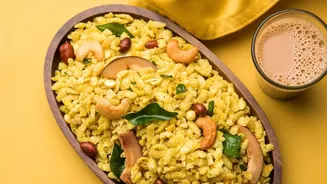
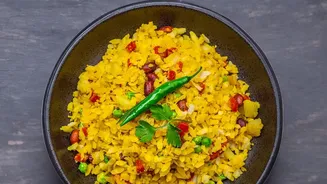
A quintessential breakfast in Western and Central India, Poha is as simple as it is satisfying. Made from flattened rice, it’s a light, fluffy, and quick-to-cook dish. The preparation, known as 'Kanda Poha' in Maharashtra, involves sautéing onions, potatoes,
and peanuts with mustard seeds and turmeric before tossing in the softened rice flakes. It’s a wholesome meal that doesn't feel heavy. Indore in Madhya Pradesh has its own famous version, often served with a topping of crunchy sev and sometimes a side of sweet jalebi for contrast. Finished with a squeeze of lime and fresh coriander, poha is a versatile and beloved start to the day.
Aloo Paratha from Punjab
No list of Indian savoury breakfasts is complete without the iconic Aloo Paratha. A staple across North India, particularly in Punjabi households, this dish consists of a whole-wheat flatbread stuffed with a flavourful mixture of spiced, mashed potatoes. The dough is rolled thin, filled, and then cooked on a hot tawa (griddle) with ghee or butter until it's golden brown and slightly crisp. Traditionally served with a dollop of white butter, a side of tangy pickle, and cool yoghurt, it's a hearty and comforting meal that can power you through the morning. Its name itself breaks it down: 'aloo' for potato and 'paratha' for a layered flatbread.
Ven Pongal from Tamil Nadu
Hailing from South India, Ven Pongal is the savoury counterpart to the sweet Chakkara Pongal. It’s a creamy, porridge-like dish made by cooking rice and moong dal together until they are soft and mushy. What elevates this simple dish is the tempering, or 'tadka'. Ghee is heated with whole black peppercorns, cumin seeds, grated ginger, and curry leaves, then poured over the cooked rice and dal mixture. This process infuses the pongal with a warming, aromatic, and peppery flavour. Often garnished with cashews, it is a comforting and easily digestible breakfast, commonly served with coconut chutney and sambar.
Pesarattu from Andhra Pradesh
Pesarattu is a distinctively green, crispy crepe from Andhra Pradesh, offering a protein-packed breakfast option. Unlike the more common dosa, its batter is made from whole green gram (moong dal) and doesn't require fermentation. The lentils are soaked and ground with ginger and green chillies to form the batter, which is then spread thinly on a hot griddle like a dosa. A popular variation is the 'MLA Pesarattu', where the crepe is stuffed with savoury upma (a semolina preparation), a combination made famous in the MLA quarters' restaurants in Hyderabad. Served hot, often with a side of ginger chutney, it's both nutritious and delicious.
Luchi and Aloo'r Dom from Bengal
A beloved Sunday morning treat in Bengali households, this combination is pure comfort food. Luchi are deep-fried, puffy breads made from refined flour (maida), which makes them characteristically white and fluffy, unlike the whole-wheat poori. They are the perfect vehicle for Aloo'r Dom, a slow-cooked potato curry. This isn't just any potato dish; it’s a flavourful, lightly spiced curry where baby potatoes are simmered in a gravy of onions, tomatoes, ginger, and a blend of aromatic spices until tender. The combination of the soft, hot luchi with the rich, savoury potato curry is an indulgent and classic Bengali breakfast experience.
Khaman from Gujarat
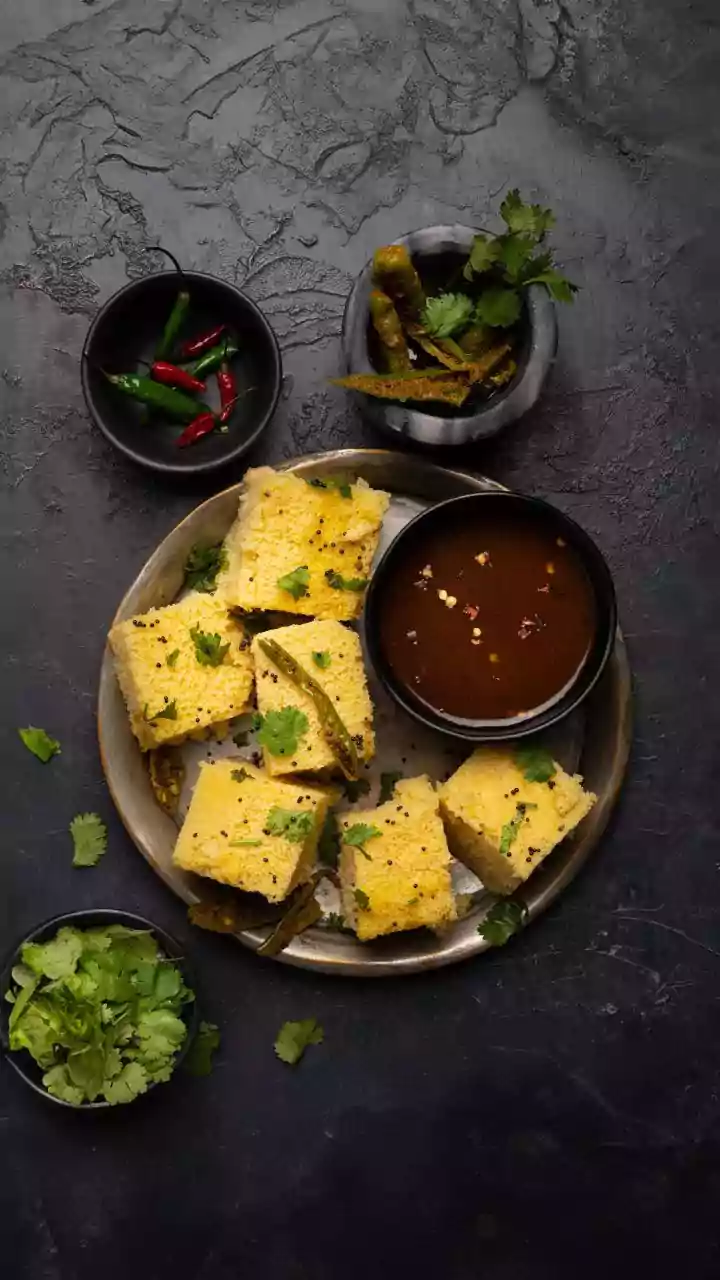
Often confused with Dhokla, Khaman is a soft, spongy, and savoury steamed cake from Gujarat that is lighter and fluffier in texture. While traditional dhokla is made from a fermented batter of rice and chickpeas, khaman is made from gram flour (besan) and is typically prepared instantly using a leavening agent. The batter is steamed, cut into squares, and then topped with a tempering of mustard seeds, curry leaves, and green chillies. It has a slightly sweet and tangy flavour and a vibrant yellow colour. Served with a sprinkling of fresh coriander, it makes for a light, airy, and healthy breakfast or snack.