






The Scale of India's Food Waste Problem
India is the world's second-largest producer of food, but what happens between the farm and the dining table is a story of significant loss. Estimates suggest that post-harvest losses for fruits and vegetables can be as high as 15%, while for the entire
agricultural sector, the value of lost produce runs into thousands of crores annually. This isn't just a matter of spoiled food; it represents wasted water, labour, and land, and directly impacts farmers' incomes and consumer prices. The core of the problem lies in a fragmented and inefficient supply chain, where produce passes through multiple hands without the necessary infrastructure to preserve its quality.
The Cold Chain: A Lifeline for Perishables
The most critical weapon against spoilage for horticultural produce is the 'cold chain'. This refers to an uninterrupted series of refrigerated storage and transport facilities. For perishable items like fruits, vegetables, dairy, and meat, a break in the cold chain can lead to rapid decay. India has made strides in building cold storage capacity, now boasting one of the largest networks in the world. However, the challenge lies in connectivity. The system is most effective when it includes farm-level pre-cooling centres, refrigerated 'reefer' trucks for transport, and modern warehouses, ensuring produce stays cool from the moment it is picked until it reaches the market. The government's Pradhan Mantri Kisan Sampada Yojana (PMKSY) is one initiative focused on bridging these gaps.
Smarter Warehousing and Transport
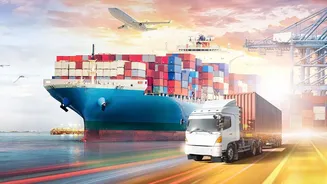
Modern logistics is not just about temperature control. Today’s warehouses are becoming increasingly sophisticated. Automated systems for sorting and stacking, real-time inventory management, and better pest control all contribute to reducing losses during storage. Similarly, transportation is getting a technological upgrade. GPS tracking on trucks allows for route optimisation to avoid delays, while sensors can monitor temperature and humidity inside a container, sending alerts if conditions deviate. This ability to track and manage produce in real-time gives suppliers the power to prevent spoilage before it happens, ensuring more food reaches consumers in good condition.
Digital Integration and Market Access
Technology is also tackling inefficiencies in the market itself. Platforms like the electronic National Agriculture Market (e-NAM) aim to create a unified national market for agricultural goods. By connecting farmers directly with buyers across the country, it reduces dependency on multiple intermediaries, which in turn shortens the supply chain and lowers the risk of wastage during multiple stages of handling and transport. This digital transformation, combined with physical infrastructure, helps in better demand forecasting, allowing farmers to align production with market needs and preventing gluts that often lead to distress sales and waste.
Overcoming the Remaining Hurdles
Despite progress, significant challenges remain. Much of India's logistics sector is still unorganised. There is a severe shortage of crucial 'first-mile' infrastructure like pack-houses and ripening chambers at the farm level. While cold storage capacity for specific crops like potatoes is high, it is unevenly distributed and not always suited for multiple commodities. Furthermore, poor rural road connectivity continues to be a bottleneck, increasing transit times and the risk of damage. Addressing these issues requires a coordinated effort between government and private players to invest not just in storage, but in the entire integrated network that connects the farmer to the end consumer.