

The Monsoon Balcony Blueprint
Success with herbs during the rainy season comes down to three things: drainage, air circulation, and smart watering. Root rot is the biggest enemy, caused by waterlogged soil. The first step is to choose the right pot. Terracotta or clay pots are excellent
as their porous nature allows soil to breathe and dry out faster. Ensure every pot has at least one, preferably more, drainage holes. Elevating pots on stands or bricks also prevents them from sitting in puddles of water. Next, create a well-draining soil mix. Simply using garden soil is a common mistake; it becomes heavy and compact when wet. A good homemade mix for Indian conditions is 40% garden soil, 30% compost for nutrients, and 30% cocopeat or coarse sand to keep it light and airy. This combination holds enough moisture without suffocating the roots.
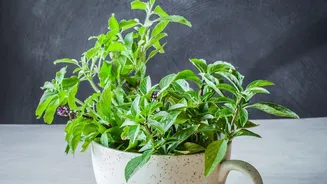
Caring for Basil (Tulsi)
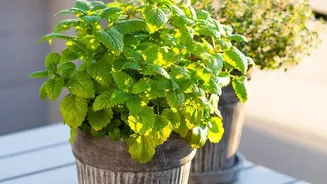
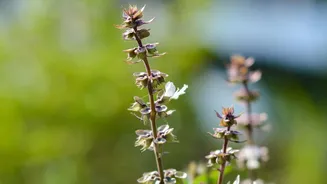
Basil is particularly sensitive to overwatering and hates having 'wet feet'. During the monsoon, this makes it vulnerable to fungal diseases like downy mildew, which appears as yellowing on top of leaves and grey fuzz underneath. To combat this, ensure your basil gets as much light as possible; a spot that receives even a few hours of direct sun is ideal. Good air circulation is also critical. Avoid crowding plants. Pruning is your best friend. Regularly pinch off the top sets of leaves, cutting just above a leaf node. This encourages the plant to grow bushier and stronger, rather than tall and weak. It also improves airflow through the leaves and prevents the plant from flowering, which can make the leaves bitter.
Managing Mint (Pudina)
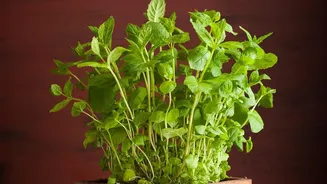
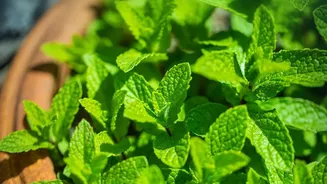
Mint is famously easy to grow, but even this hardy herb can struggle in the constant dampness of monsoon. Its aggressive roots can quickly fill a pot, leading to poor drainage and root rot. It is always best to grow mint in its own container to prevent it from taking over other plants. During the rainy season, reduce manual watering significantly. Only water when the top inch of soil feels dry. Like basil, mint benefits from regular harvesting. Trimming the top leaves encourages it to spread sideways, resulting in a fuller, healthier plant with more flavourful leaves. If the plant starts to look leggy or the leaves seem small, it's a sign it might need more light or is suffering from root congestion.
Nurturing Lemongrass
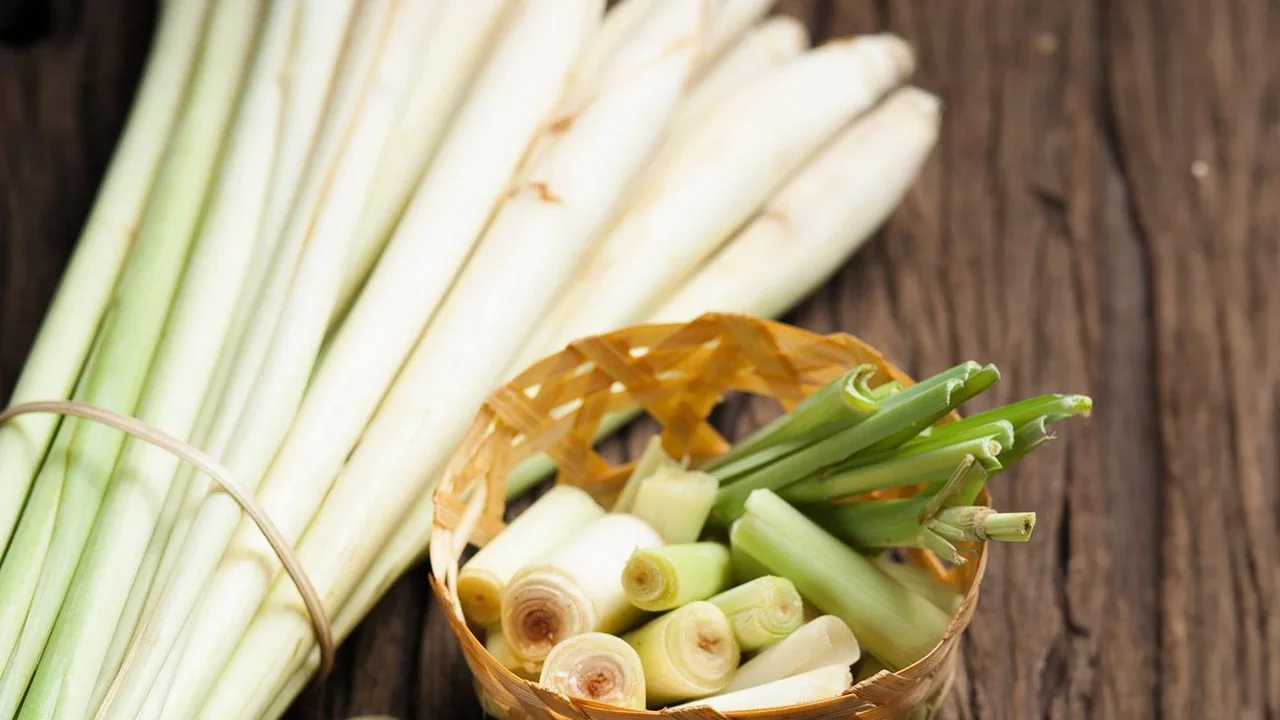
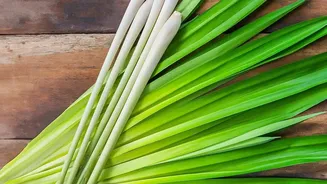
Lemongrass loves water and tropical humidity, making it well-suited to the Indian monsoon. However, when grown in a pot, it still needs good drainage to prevent the crown from rotting. Choose a large, deep pot to accommodate its substantial root system. A standard potting mix with added compost and sand works well. Lemongrass is a heavy feeder, so adding some compost to the pot every few weeks will keep it healthy. Harvest stalks by cutting them at the base near the soil level once they are about half an inch thick. Regular harvesting encourages new shoots to grow from the base. It is a resilient plant and generally less fussy about sunlight than basil, tolerating partial shade reasonably well.
Pest Patrol in Wet Weather
High humidity and damp conditions are an open invitation for pests like slugs, snails, and aphids. Slugs and snails are notorious for chewing large, irregular holes in leaves, especially on tender plants like basil. They are most active at night. Aphids, on the other hand, are tiny insects that suck the sap from new growth. A simple, organic way to manage these pests is with a neem oil solution. Mix a few millilitres of neem oil with a litre of water and a drop of liquid soap, and spray it on the leaves, especially the undersides, once a week. For slugs and snails, checking your plants in the evening and hand-picking any you find is an effective, chemical-free method.