



What is This Green Superfood?
Moringa, often called the 'drumstick tree' or 'miracle tree' (Sahjan in Hindi), is a plant that has been celebrated for centuries in traditional Indian medicine and cuisine. Every part of the tree is useful, but it’s the leaves that are packed with the most
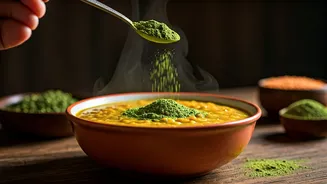
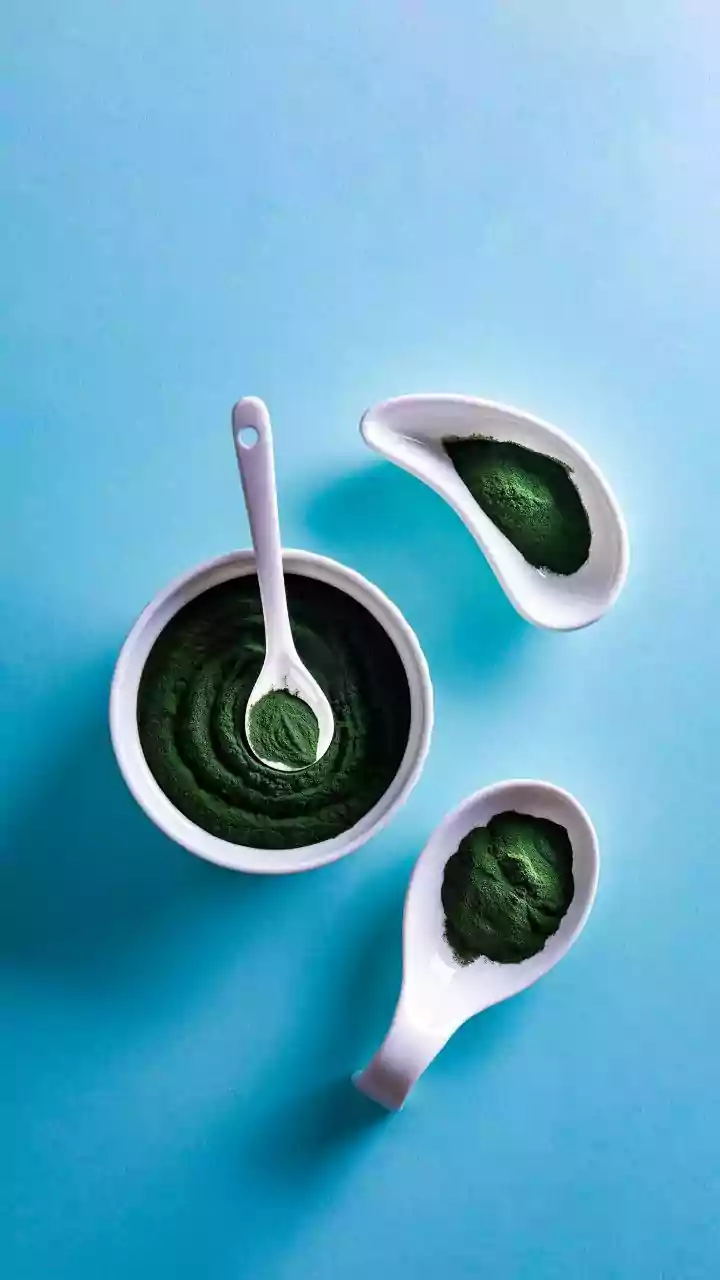
nutrients. These leaves are harvested, dried at low temperatures to preserve their goodness, and ground into a fine, vibrant green powder. This powder is a highly concentrated source of vitamins, minerals, and plant-based compounds, making it one of the most potent superfoods available today. Think of it as nature’s own multivitamin, ready to be sprinkled into your everyday meals.
A Nutritional Boost for Your Bowl
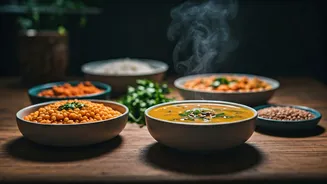
Adding just a small amount of moringa powder to your dal can significantly enhance its nutritional profile. While dal is already an excellent source of protein and fibre, moringa takes it to the next level. It is exceptionally rich in several key nutrients: * **Vitamins:** It’s loaded with Vitamin C, which supports your immune system, and Vitamin A, crucial for eye health. * **Minerals:** Moringa is a fantastic plant-based source of iron, which helps combat fatigue, and calcium, essential for bone health. * **Antioxidants:** It contains powerful antioxidants like quercetin and chlorogenic acid, which help protect your body's cells from damage caused by free radicals. * **Plant Protein:** Moringa powder also contains all nine essential amino acids, making it a complete protein source, which is a rare quality for a plant. This perfectly complements the protein already present in lentils.
The Right Way to Add It
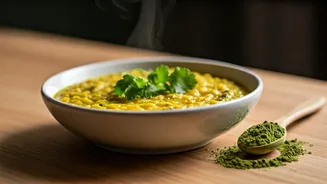
To get the maximum benefit from your moringa powder, timing is everything. Many of its valuable nutrients, particularly Vitamin C, are sensitive to heat. Prolonged cooking can diminish its potency. Therefore, the best practice is to add the moringa powder *after* your dal is cooked. Simply turn off the heat, stir in the powder, and let it sit for a minute or two before serving. This ensures it mixes well without being exposed to high temperatures for too long. As for quantity, a little goes a long way. Start with half a teaspoon per serving of dal. You can gradually increase it to a full teaspoon as you get accustomed to the taste. Adding too much at once can result in a slightly bitter flavour that might overpower your dish.
But What About the Taste?
This is the most common concern, and it's a valid one. Moringa powder has a distinct earthy, slightly bitter taste, similar to spinach or matcha green tea. When used in small quantities, its flavour is subtle and easily blends into the complex spices of a well-made dal, especially robust varieties like dal tadka, masoor dal, or sambar. It may be more noticeable in milder dals like moong dal. The key is to start small. The half-teaspoon recommendation allows you to reap the nutritional benefits without drastically altering the beloved taste of your comfort food. Think of it as a background note of green goodness rather than a dominant flavour.
Why Choosing 'Organic' Is Important
The word 'organic' on the label isn't just a marketing gimmick. When you choose organic moringa powder, you are ensuring the product is free from synthetic pesticides and fertilisers. Since you are consuming a concentrated plant powder, any chemicals used during cultivation can also become concentrated in the final product. Organic certification guarantees that the moringa was grown and processed according to strict standards, resulting in a purer and cleaner powder. This is particularly important for a food you plan to incorporate into your daily diet for its health benefits. Look for reputable brands that provide information about their sourcing and processing methods.