


From Streams to Screaming Arenas
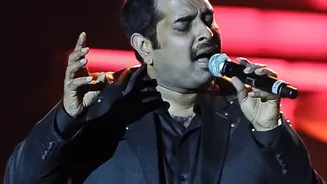
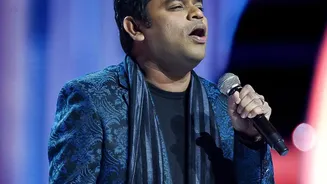
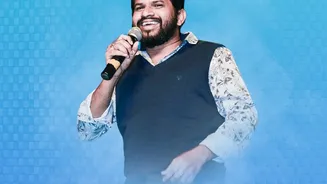
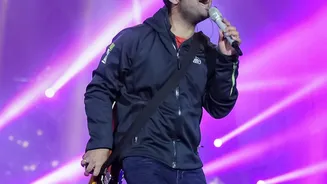
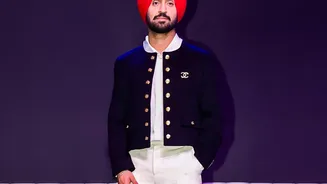
The numbers tell a story of explosive growth. Artists like Diljit Dosanjh, Shreya Ghoshal, and Vishal & Sheykhar are no longer just voices on Spotify; they are commanders of sold-out global tours. Dosanjh’s ‘Dil-Luminati’ tour in 2024, for instance, attracted
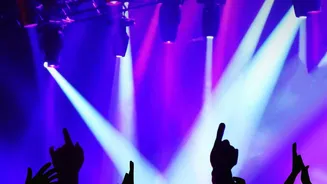
over 320,000 attendees across 13 cities, generating a massive economic footprint. This isn't an isolated phenomenon. Shreya Ghoshal recently announced a 14-city India leg of her 'Unstoppable Tour' stretching from late 2026 into 2027, following sold-out shows across North America. The scale is unprecedented, with India’s organised live events market crossing ₹12,000 crore in 2024 and projected to grow significantly. This concert boom signifies a fundamental change in how music is consumed—it’s no longer just about listening, but about participating.
The Post-Pandemic Thirst for Experience
Much of this energy can be traced to a collective post-pandemic mindset. Industry insiders point to a “You Only Live Once” feeling that has driven audiences to seek out in-person, communal events. After years of isolation, the desire for shared experiences has transformed concerts from occasional outings into major cultural moments that people plan holidays and travel for. This shift is particularly strong among Gen Z and millennials, with over 70% having attended at least one ticketed live event in the past year. A new generation of consumers is choosing to spend on memories and moments rather than material possessions, and a packed stadium concert is the ultimate social currency.
More Than a Mic and a Stage
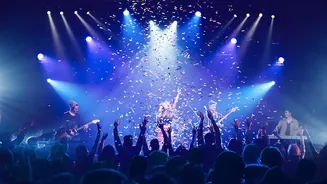
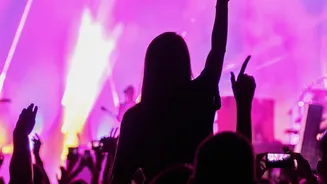
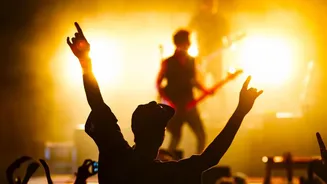
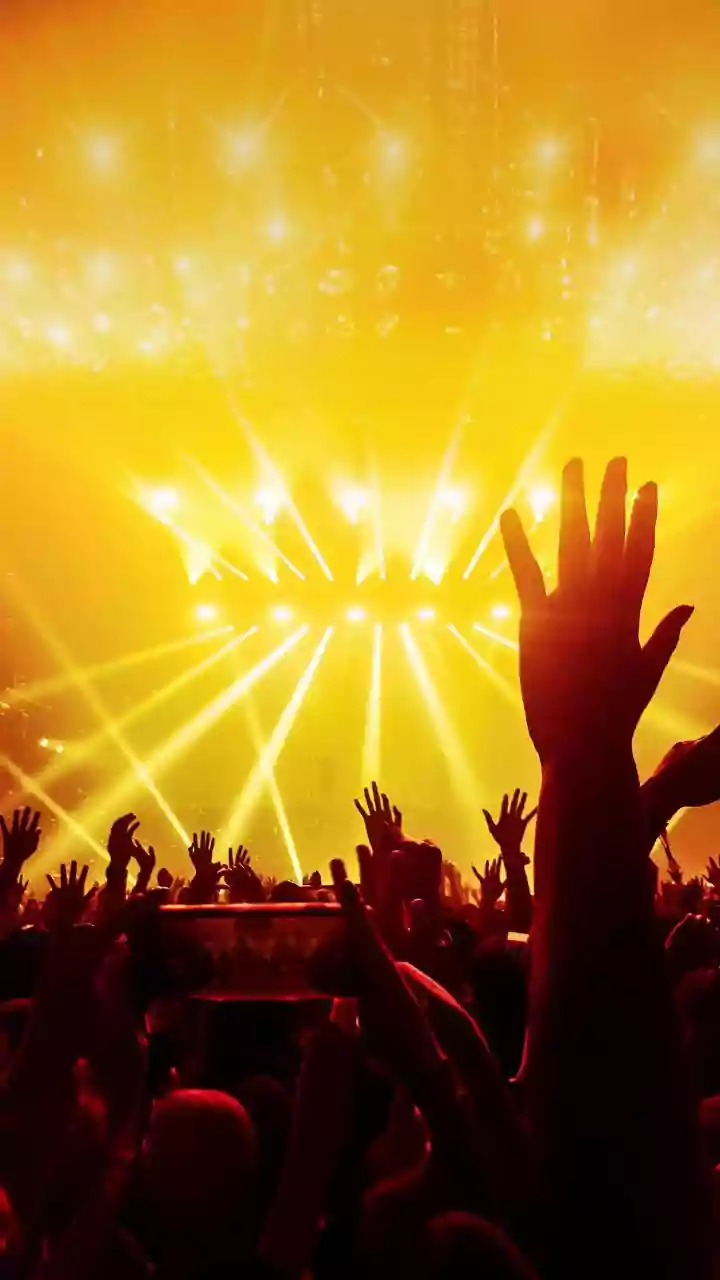
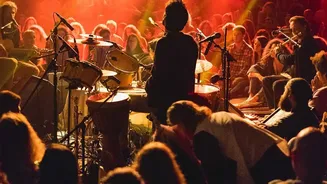
Today’s Indian music tours are a far cry from simple performances. They are high-production spectacles designed for the social media age. Fans don't just come to hear the music; they come to witness and capture a visual feast. Artists and promoters understand that the journey to a concert now begins on a phone screen, with viral clips and online communities building anticipation. The live show has become the physical gathering for these digital tribes. This has led to a greater emphasis on production value, immersive brand activations, and interactive zones that go beyond a simple logo on a banner. The experience is the product, and the artist is the main event within that larger world.
The New Economics of Indian Music
While streaming democratised music discovery, its financial returns for artists remain notoriously low. Live tours offer a powerful alternative revenue stream. Ticket sales now contribute 50–70% of concert revenues, a significant jump from pre-2020 figures. This financial independence allows artists greater creative control and reduces their reliance on the film industry. The economic ripple effect is also substantial. A single major tour can generate hundreds of crores in economic impact, boosting local tourism, hospitality, and creating thousands of temporary jobs. Even digital platforms like YouTube, once focused solely on streaming, are now investing in live, in-person events to bring fans closer to artists, acknowledging the undeniable power of on-ground performance.
A Deeper, More Personal Connection
Ultimately, the rise of music tours is about forging a bond that a digital stream cannot replicate. For fans, it’s the validation of being in a physical space with thousands of others who share their passion. For artists like Shreya Ghoshal, tours are a way to give back to the fans who have been part of her journey, creating a feeling of a “full circle.” It's a chance to feel the raw energy and emotion that gets lost in a studio recording. This transition from a passive listening experience to an active, collective celebration marks a vibrant and exciting new chapter for Indian music, one where the connection between artist and fan is more direct, tangible, and louder than ever before.