

The Philosophy of a Festive Thali
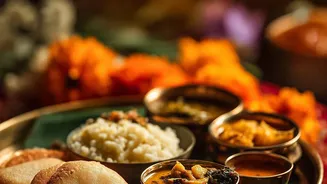
A traditional Indian festive meal is about balance. It’s not just a collection of dishes, but a carefully composed platter—or 'thali'—that incorporates a spectrum of tastes (sweet, sour, salty, pungent, bitter, and astringent), textures, and colors. Planning
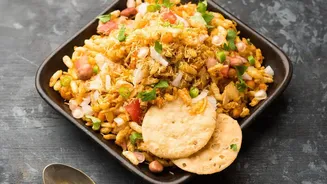
your menu with this philosophy in mind ensures a meal that is not only delicious but also visually stunning and easy to digest. Aim for a variety of preparations: a dry vegetable dish ('sabzi'), a lentil curry ('dal'), a gravy-based main, a cooling yogurt side ('raita'), a tangy pickle, and a crunchy element like 'papad'. This variety naturally creates a balanced and nutritious spread.
Vibrant Beginnings: Heritage Starters
Kick off your feast with appetizers that awaken the palate. Instead of common tikkis, explore regional gems. Consider the 'Pathrode' from coastal Karnataka, a savory roll made from colocasia leaves smeared with a spiced rice and lentil paste, then steamed and pan-fried. These pinwheels are packed with flavour and offer a unique texture. Another excellent choice is 'Kothimbir Vadi' from Maharashtra, a savory cake made from gram flour and fresh coriander, steamed and then fried until crisp. Both these dishes are naturally gluten-free and can be made with minimal oil, offering a nutritious start to the meal.
The Heart of the Meal: Centerpiece Curries
For the main course, select a dish that feels special and celebratory. 'Avial', a cornerstone of Kerala's 'Sadhya' feast, is a perfect choice. It’s a thick, stew-like curry made with a medley of native vegetables like drumsticks, yam, carrots, and raw banana, all cooked in a fragrant coconut and yogurt gravy. Its beauty lies in the mix of textures and its subtle, comforting flavours, finished with a drizzle of fresh coconut oil. For those who prefer a richer, North Indian flavour profile, a classic 'Shahi Paneer' offers a creamy, decadent centerpiece that pairs wonderfully with breads and rice.
Essential Accompaniments: Dals and Breads
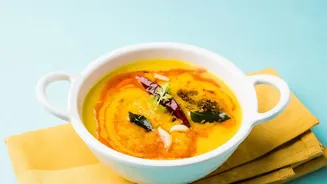
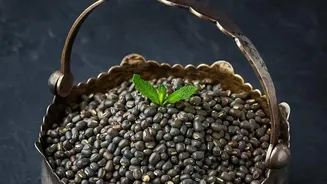
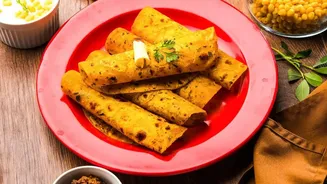
No Indian meal is complete without dal. For a truly special and protein-packed option, prepare a 'Panchmel Dal', also known as Panchratna Dal. This traditional Rajasthani dish combines five different types of lentils, creating a complex flavour and texture that is far more interesting than a single-lentil dal. It's seasoned with aromatic spices like cumin, cloves, and asafoetida. Pair your curries and dal with a festive bread. While pooris are a classic, you could also explore heritage breads. This could be a simple, fluffy 'chapati' or something more elaborate, depending on the rest of your menu. The combination of the multi-lentil dal and a fresh bread provides sustained energy and essential nutrients.
A Sweet and Healthy Conclusion
Festive desserts don't have to be overly indulgent to be satisfying. Turn to traditional sweets that use natural sweeteners like jaggery and are based on wholesome ingredients. A 'Pasi Paruppu Payasam' (Moong Dal Kheer) from South India is a wonderful example. Made with roasted moong dal, jaggery, and coconut milk, it has a nutty, earthy sweetness and a creamy texture. It is traditionally considered a worthy offering and is lighter than many milk-based kheers. Another option is a fruit-based dessert like a Pineapple Kesari or a vegetable-based halwa, which provide natural sweetness and an extra dose of nutrients.