

Why Monsoon Increases Food Risks
The rainy season in India is notorious for an increase in foodborne illnesses, and there's a scientific reason for it. The combination of warm temperatures and high humidity creates the ideal environment for harmful bacteria like Salmonella and E. coli
to multiply rapidly on food. This increased microbial activity means that food spoils much faster than it would in drier conditions. Compounding the problem, frequent power cuts can interfere with refrigeration, and contaminated water sources can introduce pathogens into your kitchen. Because of these elevated risks, what might be a minor oversight in another season can become a significant health hazard during the monsoon.
The 'Temperature Danger Zone'
The most important concept in food safety is the 'temperature danger zone'. This is the temperature range between 5°C and 60°C, where bacteria grow most rapidly. In some cases, the number of bacteria can double every 20 minutes when food is left in this zone. As a rule, perishable food should not be left at room temperature for more than two hours. If the ambient temperature is high, this window shrinks even further. During the humid monsoon, it's safest to refrigerate leftovers as quickly as possible to prevent them from lingering in this danger zone where they can become unsafe to eat, even if they look and smell perfectly fine.
The Right Way to Reheat Food
Simply warming your food is not enough; you must reheat it thoroughly to a temperature that kills any bacteria that may have developed. Food safety experts recommend reheating leftovers to an internal temperature of at least 74°C (165°F). The best way to ensure this is by using a food thermometer. When reheating on the stovetop, bring liquids like dals, curries, and soups to a full, rolling boil. If using a microwave, cover the food to retain moisture and ensure even heating, stirring it midway through the process. Never use slow cookers or chafing dishes for reheating, as they don't get hot enough quickly and can keep food in the danger zone for too long.
Best Practices for Common Indian Dishes
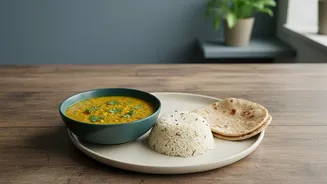
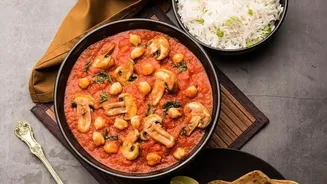
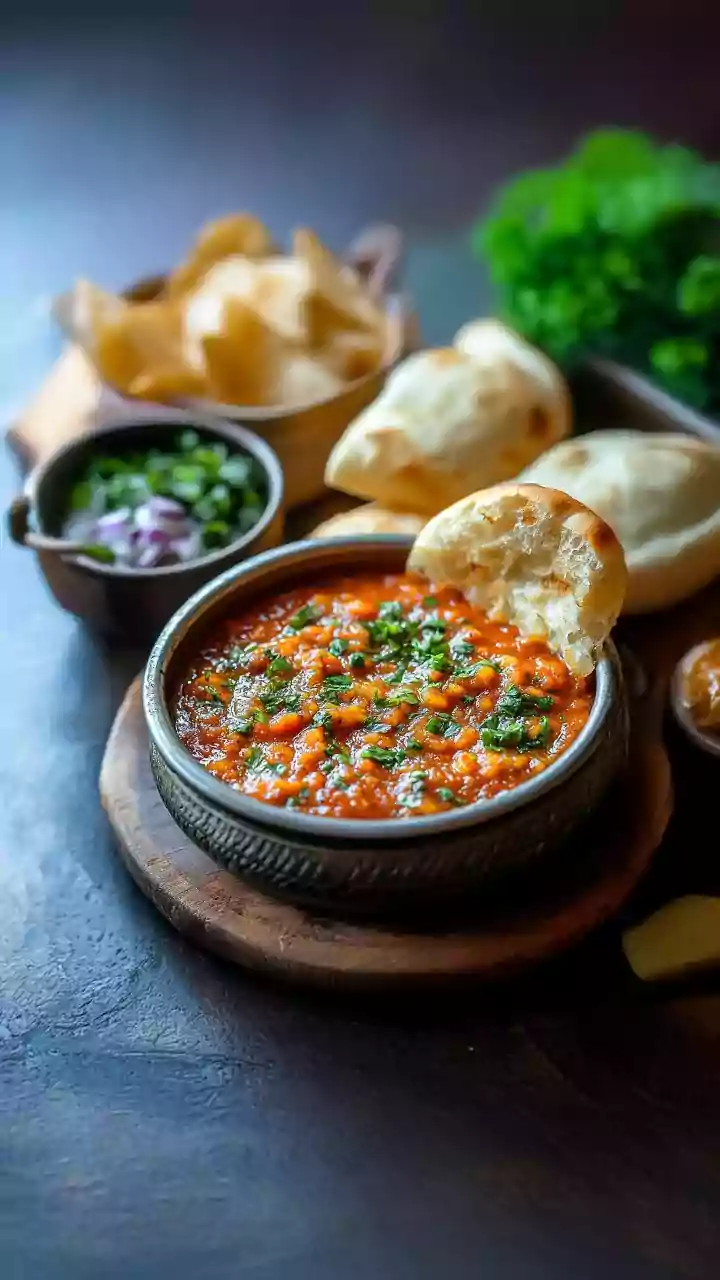
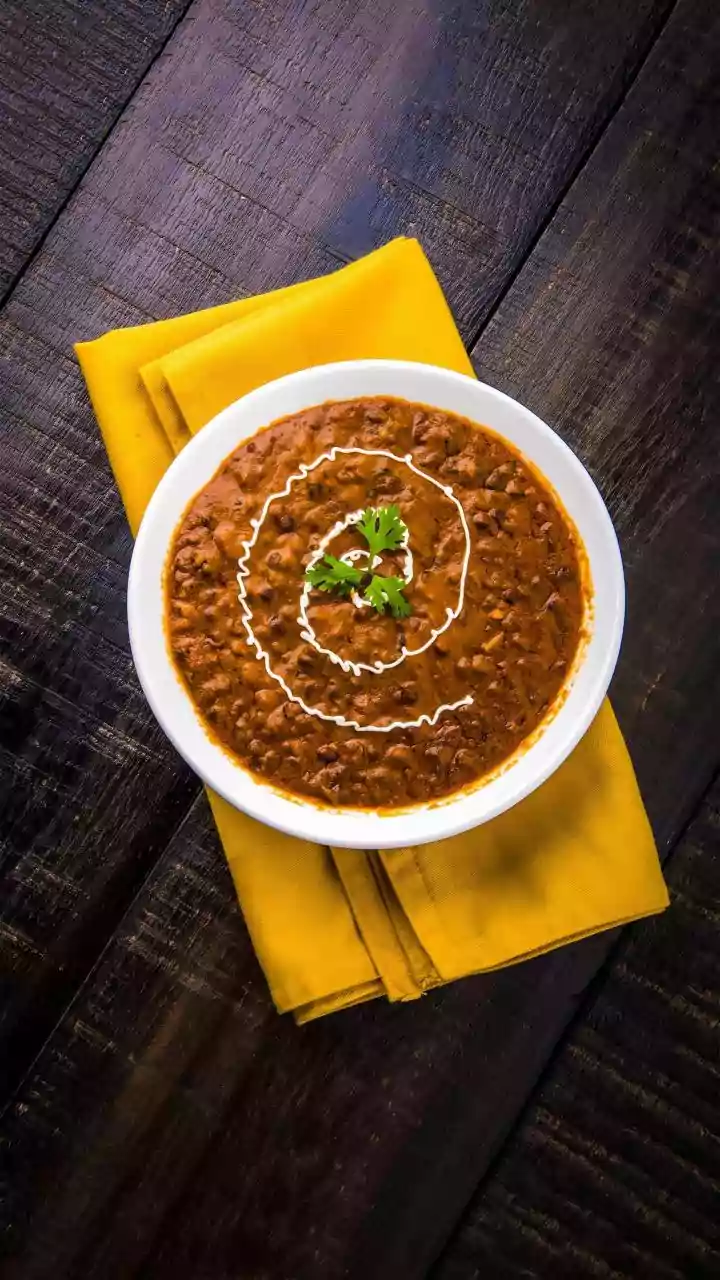
Different foods require slightly different handling. For gravies, dals, and curries, bringing them to a visible boil is a reliable indicator that they have reached a safe temperature. Rice, however, can be tricky. It's best to cool and refrigerate it quickly after cooking and reheat it until it is steaming hot throughout. For fried items like samosas or pakoras, reheating in an oven or air fryer is better than a microwave to restore crispness and ensure they are heated through. A crucial rule to follow is to only reheat the portion you plan to eat. Repeatedly cooling and reheating the same dish degrades its quality and increases the chances of contamination.
Mistakes to Avoid This Season
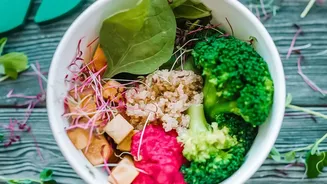
A few common habits can put your health at risk during the monsoon. Firstly, avoid eating raw foods like salads or pre-cut fruits from outside vendors, as they can be easily contaminated. Even at home, it's safer to consume steamed or cooked vegetables over raw salads. Secondly, be wary of street food, especially items that may have been prepared with unhygienic water or have been sitting out for a long time. Lastly, never taste food to check if it has spoiled. Harmful bacteria don't always produce a bad smell or taste, but they can still make you very sick. When in doubt about how long something has been sitting out, the safest option is to throw it away.