





From Frugal to Fashionable
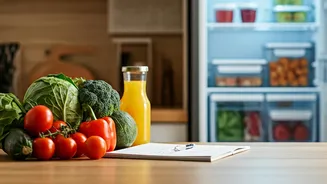
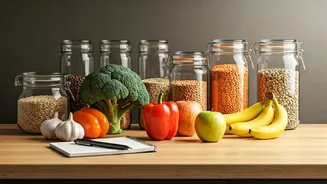
The most significant driver behind this trend is, without a doubt, the economy. As the cost of everything from cooking oil to fresh vegetables has climbed, households across India are feeling the pinch. For many, cutting down the food bill isn't a choice
but a necessity. Yet, something is different this time. Instead of being a source of shame, mastering a budget has become a badge of honour. The narrative has shifted from one of deprivation to one of empowerment and intelligence. People are proudly sharing their low-cost grocery hauls and the delicious meals they create, framing it as a 'life hack' or a smart strategy to beat inflation. This new attitude transforms a financial constraint into a creative challenge, making people feel resourceful rather than restricted.
The Social Media Effect
This cultural shift wouldn't be possible without platforms like Instagram and TikTok. Here, budget cooking has found its visual and viral home. Creators have built massive followings by showcasing 'what I eat in a day on ₹100' or turning leftover vegetable scraps into gourmet snacks. Hashtags like #budgetmeals, #pantrychallenge, and #zerowastecooking are filled with beautifully shot, quick-cut videos that make frugal cooking look aspirational. The format is key: it’s not about long, complicated recipes but about clever tips, simple swaps, and visual transformations. Watching someone turn a humble potato into three different, exciting dishes is both entertaining and inspiring. Social media has effectively gamified saving money in the kitchen, making it a trend anyone can participate in and share.
More Than Just Dal-Chawal
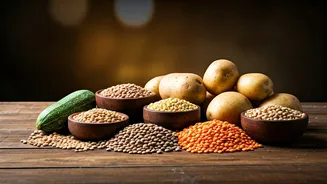
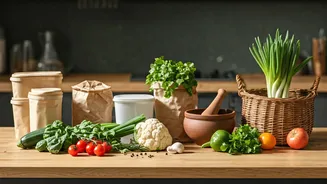
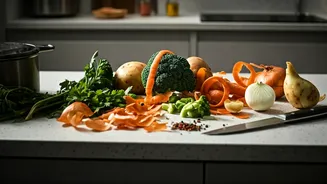
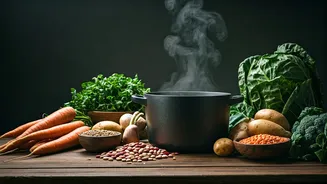
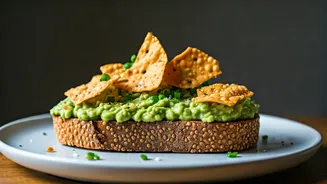
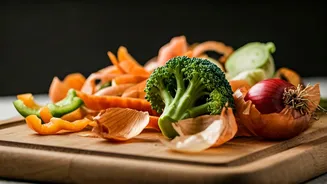
Today’s budget cooking is far more dynamic than the staples we might first imagine. The trend isn't about eating boring, repetitive meals. It’s about ingenuity. It’s about learning to extract maximum flavour from minimal ingredients. Think one-pot pastas that use simple, seasonal vegetables; flavour-packed stir-fries using pantry sauces; or learning to bake bread at home for a fraction of the store-bought price. A major focus is on reducing food waste. That means using carrot tops to make pesto, turning stale bread into croutons, or using chicken bones to make a rich broth. This approach aligns perfectly with a growing global consciousness around sustainability. People feel good not only because they are saving money, but because they are making a more environmentally friendly choice.
A Modern Twist on Indian Jugaad
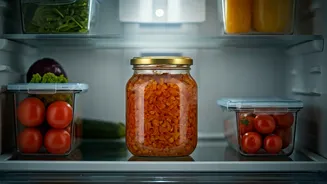
For many in India, this 'trend' feels familiar. The principle of using every part of an ingredient and stretching a meal to feed more people is the essence of ‘jugaad’ that our parents and grandparents mastered long ago. The wisdom of turning yesterday's dal into today's parathas or using leftover rice for a flavourful fry-up has been passed down through generations. What’s new is the context. The younger generation is now taking this inherited knowledge, giving it a modern filter, and sharing it with a global audience online. They are documenting these timeless techniques, explaining the 'why' behind them, and presenting them in a way that feels fresh and relevant. This global trend, therefore, resonates deeply with Indian cultural values, validating a tradition of resourcefulness that has always been part of our kitchens.