
In a world of glossy packaging and two-minute deliveries, the humble homemade laddoo or murukku still holds its own. It's more than just a snack; it's a taste of childhood, a connection to family, and a powerful link to our past.
An Edible Time Machine
Ask anyone what a festival
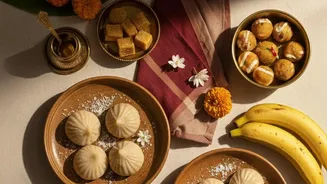
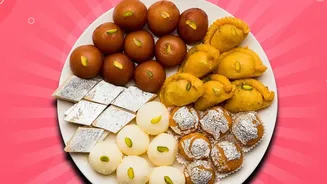
tastes like, and they won’t just list ingredients; they’ll tell you a story. For many, the aroma of ghee roasting besan for laddoos or the sizzle of chakli hitting hot oil is a direct portal to childhood. These aren't just recipes; they are edible heirlooms passed down through generations. Every family has its own version, a unique touch that makes their snack distinct. This is something mass-produced confectionery can never replicate. The power of these foods lies in their ability to retrieve autobiographical memories, bringing back not just flavours, but the feelings of being cared for, safe, and connected to a specific time and place. A simple bite can evoke memories of a grandmother’s kitchen or the shared activity of preparing for a festival.
The Science of Scent and Memory
There's a scientific reason why food is such a potent trigger for nostalgia. The senses of smell and taste are directly linked to the hippocampus and amygdala, the brain's centres for memory and emotion. This is why a particular spice or aroma can instantly transport you back decades. The smell of cardamom might remind you of Diwali, while the taste of a specific pickle could bring back memories of summer holidays. This deep, neurological connection makes homemade food more than just sustenance; it’s an emotional experience. Commercial snacks, designed for consistency and long shelf life, often miss these nuanced, powerful sensory cues that are so integral to the memories associated with homemade preparations.
An Antidote to the Age of Sameness
The Indian confectionery market is booming, with packaged sweets expected to grow significantly. This growth is driven by convenience, hygiene, and wider availability. Yet, homemade snacks persist because they offer something commercial brands cannot: authenticity and a personal touch. Factory-made sweets are designed for uniformity, ensuring every piece tastes exactly the same. In contrast, homemade snacks are cherished for their imperfections and variations. They represent a connection to traditional methods and familiar ingredients, free from the preservatives often found in industrial desserts. In an era of increasing globalisation, these snacks serve as a comforting anchor to one's roots and cultural identity.
When Brands Try to Bottle Nostalgia
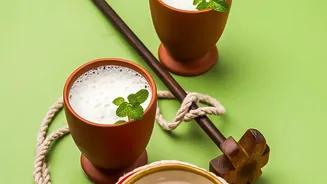
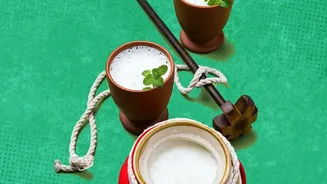
Modern brands are well aware of the power of nostalgia and are increasingly using it in their marketing. Many companies leverage taglines like 'grandma’s recipe' or use advertising that evokes memories of childhood to create an emotional bond with consumers. Brands like Paper Boat have successfully built their identity around recreating the taste of traditional homemade drinks, tapping directly into this yearning for the past. This strategy works because it creates a sense of trust and familiarity. However, while these products can mimic the flavours, they often struggle to replicate the deep, personal connection that comes from a snack made by a loved one as part of a family ritual.
Passing Down More Than Just a Recipe
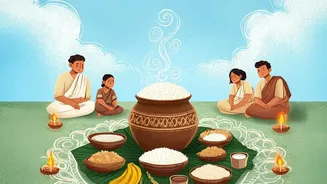
The ritual of making snacks together is a cornerstone of many Indian festivals and family gatherings. It’s an activity that brings generations together in the kitchen, sharing stories and techniques. This act of creation is as important as the final product. It’s how cultural knowledge, family history, and values are passed down. Sharing these homemade treats with neighbours and friends is also a vital expression of hospitality and community bonding. This tradition reinforces a sense of belonging and shared identity that a store bought box of sweets cannot provide. As long as these rituals continue, homemade snacks will remain an irreplaceable part of India's cultural and culinary fabric.