



The AI Sous Chef Arrives
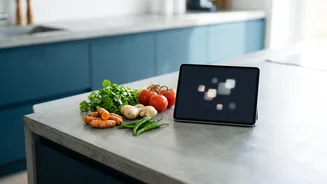
Imagine peering into your fridge, seeing a handful of vegetables, some paneer, and leftover rice, and wondering what to make. Instead of scrolling through endless blogs, you could simply tell an app what you have. Within seconds, it suggests a recipe
for a paneer and vegetable stir-fry, complete with step-by-step instructions. This is the new reality for many home cooks in India. AI-powered recipe generators, available through apps and smart appliances, are becoming increasingly common. These platforms use vast databases of recipes to offer personalized suggestions based on available ingredients, dietary needs, health conditions, and even the time you have for cooking. This move reflects a broader shift in urban India, where busy lifestyles demand more convenience in the kitchen.
A Tool for the Modern Kitchen
The appeal of AI in the kitchen is clear, especially for a new generation of home cooks. For young professionals juggling long work hours, AI can simplify meal planning and reduce food waste. For beginners who feel intimidated by complex traditional recipes, these tools offer guided, step-by-step instructions that build confidence. Some advanced AI cooking assistants, like the one from Indian startup upliance.ai, are integrated into physical devices that can chop, stir, and cook, automating many of the laborious steps in Indian cooking, such as preparing masalas. This technology promises consistency, helping users achieve the perfect dal or biryani every time, a task that once required years of practice.
Spurring Culinary Creativity
Beyond just replicating existing dishes, AI is also becoming a tool for culinary innovation. By analyzing flavor profiles from different cuisines, AI can suggest fusion dishes that a human chef might never have imagined. Reports have highlighted AI-generated ideas like 'Gulab Jamun Cheesecake', 'Paneer Tikka Tacos', and 'Curry Leaf Pesto Pasta' gaining traction among experimental home cooks. This allows for a playful and creative approach to cooking, blending familiar Indian tastes with global formats. An AI experiment by Google Arts & Culture, for instance, generates unique fusion recipes by combining the culinary styles of two different Indian states, showcasing the potential for hyper-regional innovation.
Tradition Meets Algorithm
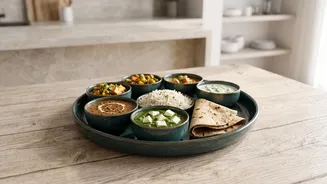
The rise of AI in the kitchen inevitably raises questions about its impact on tradition. Can an algorithm truly replicate the 'andaaz'—the intuitive estimation—that is the soul of a grandparent's cooking? Critics worry that an over-reliance on technology could lead to the sanitization of recipes, stripping them of their regional nuances and cultural stories. However, others argue that AI could play a crucial role in preserving culinary heritage. By documenting and digitizing rare or complex regional recipes, AI can make them accessible to a wider audience, ensuring they aren't lost to time. The challenge lies in finding a balance where technology serves as a bridge to tradition rather than a replacement for it.
The Enduring Importance of the Human Touch
Ultimately, even the most advanced AI is a tool, not a replacement for the cook. While an AI can suggest a recipe for a healthier butter chicken or a quicker sambar, it cannot taste the gravy, feel the texture of the dough, or understand the comfort a particular meal brings to a family. Industry experts and chefs agree that AI's role is to assist, not to take over. It can handle the repetitive tasks, offer inspiration, and provide nutritional information, but the final act of creation—the adjustment of salt, the tempering of spices, the art of plating—remains a fundamentally human endeavor. AI may be the new digital layer, but the heart of Indian home cooking still beats in the hands of the person at the stove.