





What is Seasonal Eating, Really?
Seasonal eating is the practice of consuming fruits and vegetables around the time they are naturally harvested. [4] For generations in India, this was just the normal way of life. [6] Our grandparents’ kitchens naturally adapted to the weather, with
cooling foods in summer and warming meals in winter, all based on what was available locally. [6] In today’s world, where supermarkets offer nearly every type of produce year-round, seasonal eating is a conscious choice. It means prioritising produce that is being grown locally right now, minimising the time and distance from the farm to your plate. [2, 3]
The Problem with the Overstuffed Pantry
The classic pantry model involves stocking up on non-perishables and long-shelf-life items. While a core collection of staples like grains, dals, and spices is essential, the modern tendency to stockpile everything can lead to problems. Out-of-season produce, which is often harvested early and transported over long distances, can lack both flavour and nutrients. [3, 4] Studies show that nutrients like Vitamin C decline rapidly in produce after it's been harvested and stored for long periods. [11, 29] This reliance on year-round availability has disconnected many from the traditional food calendars that were once central to Indian health and wellness. [9, 8]
The Flavour, Nutrition, and Cost Benefits
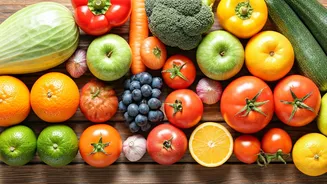
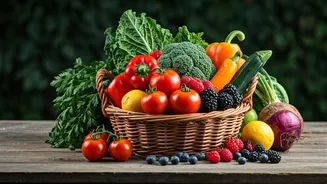
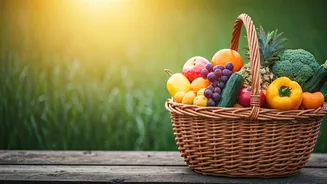
Shifting to a seasonal strategy has several compelling advantages. First, the food simply tastes better. Produce picked at its peak of ripeness is more flavourful and vibrant than items that were picked early to survive shipping. [4] Second, it’s more nutritious. Fruits and vegetables allowed to ripen naturally on the plant contain more vitamins and antioxidants. [4, 7] For example, some studies suggest broccoli grown in its proper season has significantly more Vitamin C than when grown off-season. [7] Finally, it can be friendlier on your wallet. When a crop is in season, it's abundant, which typically leads to lower prices. [3, 7] Buying from your local sabziwala also supports your community's economy. [3, 4]
Your New Pantry: A Seasonal Blueprint
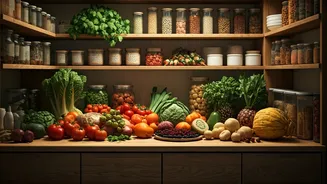
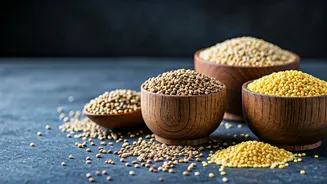
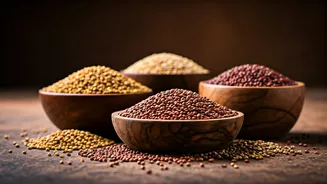
Adopting this strategy doesn’t mean an empty pantry. Instead, it redefines its purpose. Your pantry becomes a foundation of essential staples: think grains like atta and millets, a variety of dals, cooking oils, and your core spices. This is your permanent collection. The 'seasonal' part of your kitchen is what changes week to week. This involves more frequent, smaller trips to your local market to buy fresh produce that is currently in season. For example, your pantry provides the dal and rice, while your weekly market trip provides the winter carrots, peas, and spinach or the summer gourds and tomatoes to complete the meal. [24] This approach keeps your cooking dynamic and reduces the risk of fresh food spoiling in the back of your fridge.
How to Get Started in India
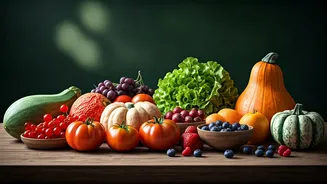
Making the switch is easier than you think. Start by visiting your local farmers' market or sabziwala and see what they have in abundance—that’s your best clue for what’s in season. [18] Plan your meals around these finds. During summer (March-June), look for mangoes, watermelons, and cooling gourds. [8, 24] The monsoon (June-September) is a great time for corn and bitter vegetables like karela. [8, 24] Winter (December-February) brings a bounty of leafy greens like spinach and mustard greens (sarson), plus carrots, beets, and citrus fruits like oranges. [8, 24] By aligning your shopping with India’s agricultural seasons—Kharif (monsoon crops), Rabi (winter crops), and Zaid (summer crops)—you’ll naturally fall into a healthier and more sustainable rhythm. [25]