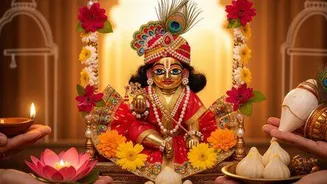


The Spirit of the Janmashtami Fast
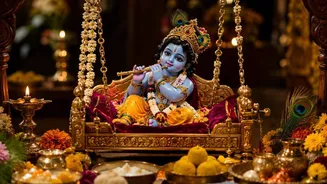
The Janmashtami fast, or 'vrat', is more than just abstaining from food; it is a spiritual practice to purify the mind and body, allowing devotees to focus their energy on prayers and devotion to Lord Krishna. The core idea is to reduce worldly distractions
and draw closer to the divine. Many people spend the day singing bhajans, reading scriptures about Krishna's life, and visiting temples. While the level of strictness can vary based on family tradition, health, and age, the intention behind the fast is what holds the most significance.
Key Fasting Rules and Timings for 2026
For 2026, the main Janmashtami fast will be observed on Friday, September 4. The most sacred time for worship is the Nishita Kaal, the midnight period when Lord Krishna is believed to have been born. In major cities like New Delhi, this period is from approximately 11:57 PM on September 4 to 12:43 AM on September 5. The fast typically begins at sunrise on September 4. The breaking of the fast, known as Parana, has varied traditions. Some break it right after the midnight puja with prasad. However, stricter scriptural traditions suggest breaking the fast the next morning, September 5, after a specific time (after 6:24 AM in Mumbai, for example).
Types of Fasts: Nirjala and Phalahari
Devotees observe the Janmashtami fast in several ways, with the two most common being Nirjala and Phalahari. The Nirjala vrat is the strictest form, where one abstains from both food and water throughout the day until the fast is broken. This is generally undertaken by those who are in good health and have experience with fasting. The Phalahari vrat is more common and allows for the consumption of fruits, water, milk products, and specific non-grain food items. This approach allows devotees to maintain their energy for prayers and is suitable for most people. It's important to choose a fast that aligns with your health and capabilities, as devotion is the ultimate goal, not hardship.
Foods to Embrace During the Vrat
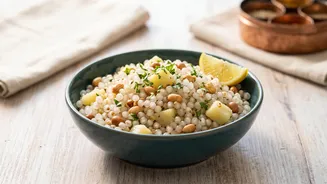
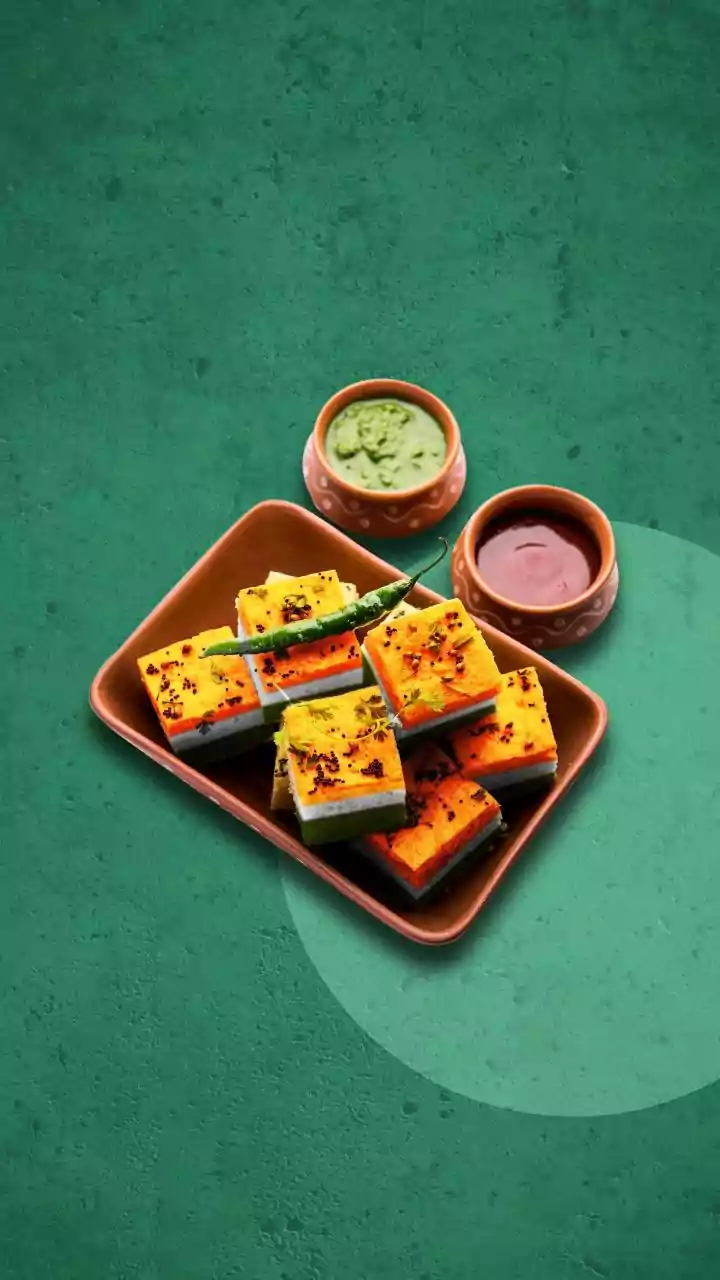
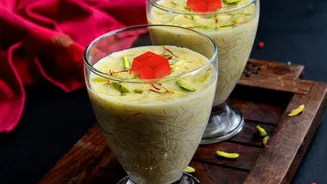
During a Phalahari fast, a variety of delicious and sattvic (pure) foods can be consumed. These ingredients are believed to keep the mind calm and focused. Permitted foods generally include: Flours and Starches: Sabudana (tapioca pearls), Kuttu ka Atta (buckwheat flour), Singhara ka Atta (water chestnut flour), and Samak Ke Chawal (barnyard millet) are popular choices. Fruits and Vegetables: All fruits are allowed. Vegetables like potatoes, sweet potatoes, pumpkin, tomato, and cucumber can be used in preparations. Dairy Products: Milk, curd, paneer, and ghee are central to many vrat recipes. Nuts and Spices: Dry fruits like almonds and walnuts, along with peanuts and makhana (fox nuts), are great for energy. Sendha Namak (rock salt) is used for seasoning instead of regular table salt.
Foods to Strictly Avoid
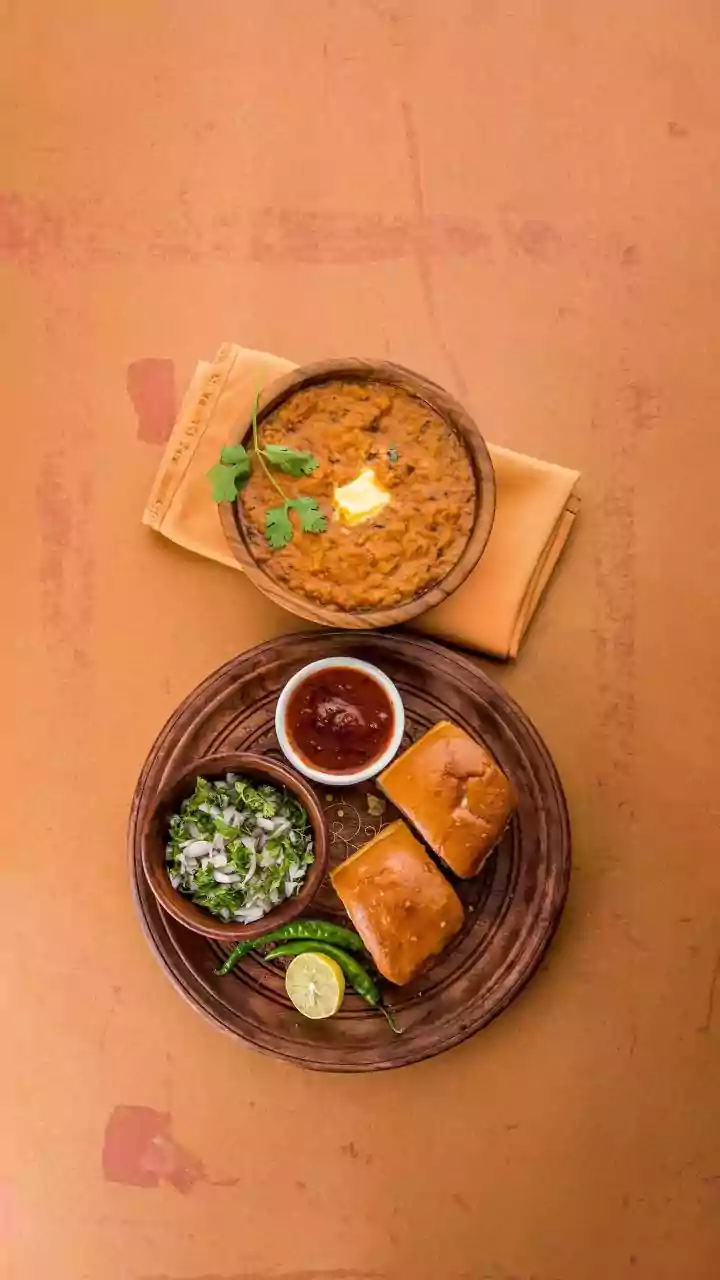
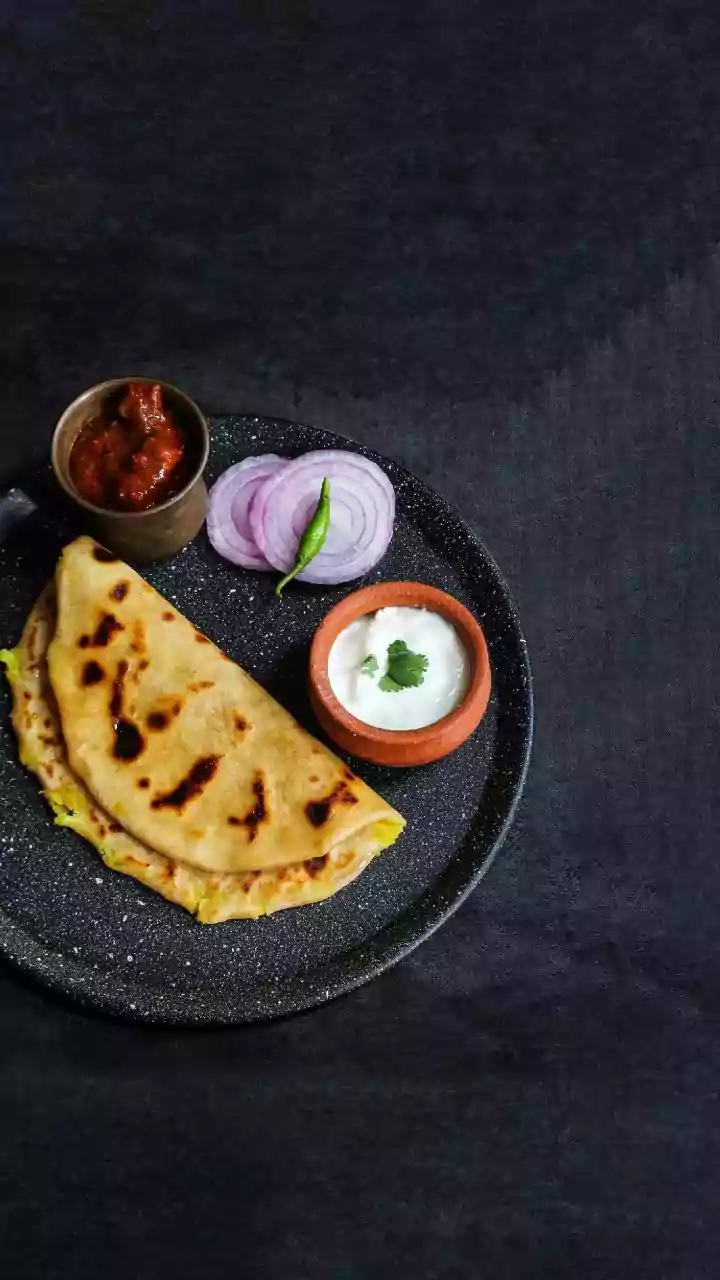
To maintain the sanctity of the fast, certain foods are strictly avoided. The primary rule is to refrain from all types of grains and lentils. The list of restricted items includes: Grains and Pulses: Wheat, rice, lentils (dals), and beans are not consumed. Onion and Garlic: These are considered tamasic (creating heaviness or lethargy) and are avoided to maintain a sattvic state of mind. Regular Salt: Common table salt is replaced with Sendha Namak (rock salt). Other Prohibited Items: Non-vegetarian food, eggs, alcohol, and heavily processed or packaged foods should be completely avoided.