


An Ancient Staple Reimagined
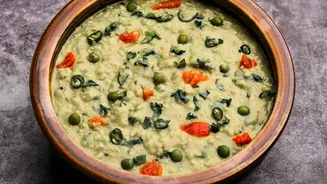
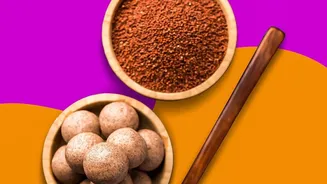
Ambali, at its core, is a fermented porridge or beverage made from finger millet, known as ragi. A long-standing staple in the rural kitchens of South Indian states like Karnataka, Andhra Pradesh, and Telangana, it has nourished generations. Traditionally,
ragi flour is cooked with water to form a gruel, which is then left to ferment, typically overnight in an earthen pot. This natural fermentation process is what transforms the simple porridge into a tangy, refreshing, and nutrient-dense food. Historically valued for being inexpensive, cooling, and providing sustained energy for farmers and labourers, Ambali was a food of sustenance. Today, its resurgence isn't just about nostalgia; it's about the rediscovery of profound health benefits that align perfectly with modern wellness goals.
The Probiotic Powerhouse Explained
The headline claim to fame for Ambali is its status as a probiotic. The magic lies in the fermentation, a process where live microorganisms break down the starches and sugars in the millet. This creates a thriving colony of beneficial bacteria, primarily lactic acid bacteria, which are essential for a healthy gut microbiome. A balanced gut is linked to improved digestion, enhanced immunity, and better nutrient absorption. Unlike many store-bought yogurts that have probiotics added, Ambali's good bacteria are a natural result of its preparation. Consuming it regularly helps replenish these beneficial microbes, supporting overall digestive health and even strengthening the body's immune response. This makes it a natural, whole-food alternative to probiotic supplements.
From Farmhouse Kitchen to Cafe Menu
So why is this rustic dish suddenly appearing in chic urban cafes? The trend is driven by a larger shift towards conscious consumption. Urban Indians are increasingly seeking out local, sustainable, and nutrient-dense foods. Ambali fits this profile perfectly. It celebrates a native grain, finger millet, and embraces a traditional preparation method that enhances its nutritional value. Chefs and cafe owners are tapping into this desire for authenticity, presenting Ambali not just as a health food, but as a taste of heritage. While traditionally served savoury and cool with buttermilk, chopped onions, and salt, modern cafes are getting creative. You might find it served as a smoothie base, in savoury breakfast bowls with gourmet toppings, or lightly sweetened with jaggery. This evolution makes the ancient porridge more accessible and appealing to a new generation of health-conscious foodies.
More Than Just a Gut Feeling
While the probiotic benefits are a major draw, Ambali's nutritional profile is impressive across the board. Finger millet itself is a superfood. It is renowned for being one of the best plant-based sources of calcium, crucial for bone health. It's also rich in dietary fibre, iron, potassium, and essential amino acids. The high fibre content promotes feelings of fullness, aiding in weight management, and helps regulate blood sugar levels, making it an excellent choice for those with diabetes. The fermentation process does more than just create probiotics; it also breaks down anti-nutrients like phytic acid, which can hinder the body's ability to absorb minerals. This means the iron, calcium, and zinc in the millet become more bioavailable, allowing your body to reap the maximum benefits.