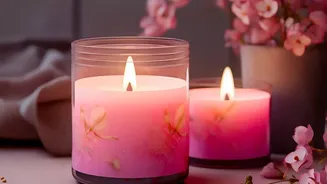




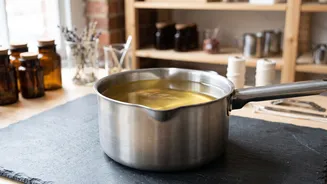
The magic of making a scented candle is undeniable. But before you can enjoy that satisfying moment of pouring the wax, a little preparation goes a long way. Gathering your essentials first ensures a safer, smoother, and more enjoyable process.
The Foundation: Choosing Your Wax
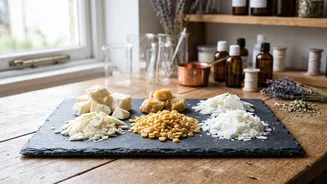
The wax
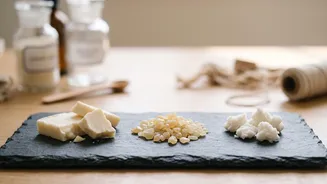
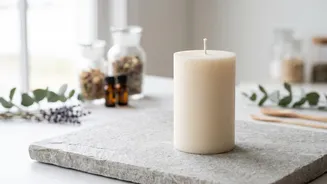
is the heart of your candle, influencing everything from burn time to scent release. For beginners making container candles, soy wax is a fantastic starting point. It's a natural, renewable resource made from soybeans that burns cleanly and holds fragrance well. Paraffin wax is a traditional choice known for its ability to create vibrant colours and produce a strong scent throw. Beeswax is another natural option, prized for its rigidity, long burn time, and the subtle, sweet aroma it imparts on its own. For decorative or freestanding pillar candles, you'll need a harder wax, like a paraffin or a special pillar blend soy wax, that can hold its shape.
The Heartbeat: Selecting the Right Wick
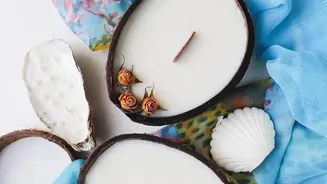
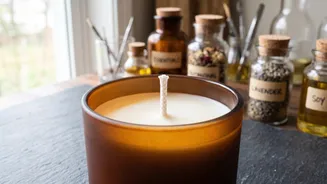
A wick might seem small, but it controls the entire burn of your candle. Using the wrong size can lead to problems like 'tunnelling' (where only the centre burns down) or an overly large, sooty flame. The right wick size depends on several factors: the type of wax, the diameter of your container, and the amount of fragrance oil you use. Cotton wicks are the most common and versatile, while wooden wicks offer a modern aesthetic and a gentle crackling sound as they burn. As a rule of thumb, wider containers require larger wicks, or sometimes even multiple wicks, to ensure the wax melts evenly across the entire surface. Always check the wick manufacturer’s guide for recommendations based on your specific jar size and wax type.
The Soul: Fragrance and Colour
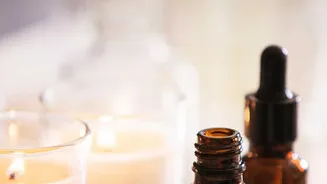
This is where you infuse your candle with personality. When it comes to scent, you have two main options: fragrance oils and essential oils. Fragrance oils are specifically formulated for candle making. They are designed to be stable at high temperatures, offering a stronger and more consistent scent 'throw' (the aroma released when the candle is burning). Essential oils are natural but can be more volatile in hot wax, often resulting in a subtler scent. For colouring, you can use candle-specific dye chips or liquid dyes, which are formulated to dissolve completely in wax without clogging the wick.
The Vessel: Safe and Suitable Containers
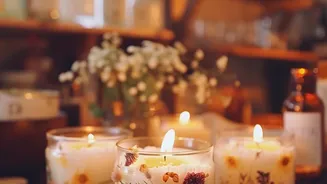
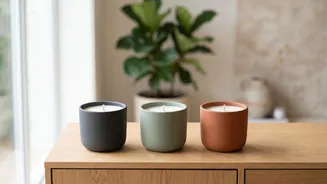
Not just any container will do for candle making. Your chosen vessel must be heat-resistant to withstand the temperature of melted wax and a sustained flame without cracking or breaking. Glass jars, ceramic pots, and metal tins are popular and safe choices. Before you begin, ensure your containers are clean and completely dry. Any moisture can cause issues with the wax. For aesthetic purposes, consider the style of the container and how it will complement your final creation, whether it’s a rustic teacup or a sleek, modern glass tumbler.
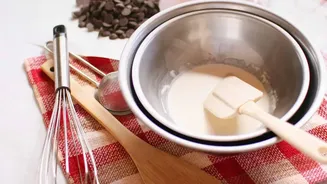
Having the right tools makes the process infinitely easier and safer. You will need a digital scale for accurately weighing your wax and fragrance oil. A double boiler or a dedicated wax melting pot is crucial for melting wax gently and safely, as direct heat can be a fire hazard. A thermometer allows you to monitor the wax temperature, which is critical for knowing when to add your fragrance and when to pour. You’ll also want stirring utensils (like a silicone spatula), wick stickers or hot glue to secure the wick to the bottom of the container, and a wick - centering tool or even a pair of chopsticks to hold the wick in place while the wax sets.
Finally, prepare your creative space. Choose a flat, sturdy surface in a well - ventilated area, like a kitchen or a spare room. Good ventilation is especially important when you're working with fragrance oils. Cover your work surface with newspaper or a silicone mat to protect it from inevitable wax drips and spills. It's also wise to organize your space into zones for melting, pouring, and cooling. This keeps your workflow tidy and ensures your candles can set in a safe spot, away from drafts, pets, and curious children, where they won't be disturbed for several hours.