







The Science of Staying Dry
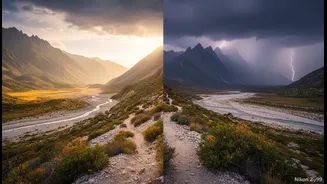
The secret to a successful monsoon trek lies in geography, not luck. A rain shadow is a dry area on the leeward side of a mountain range (the side sheltered from the wind). As moisture-laden monsoon clouds from the south hit a massive barrier like the Himalayas,
they are forced to rise, cool, and release their rain on the windward side. By the time the air mass crosses the high peaks, it has lost most of its moisture. As this dry air descends on the other side, it warms up, creating an arid or semi-arid environment. This phenomenon is why regions like Ladakh and Spiti Valley remain surprisingly dry and sunny, even during the peak of India's monsoon season. For a backpacker, this isn't just a weather quirk; it's a strategic advantage. It allows you to explore breathtaking high-altitude landscapes when most other Himalayan trails are inaccessible due to heavy rain, mud, and landslides.
India's Prime Rain-Shadow Destinations
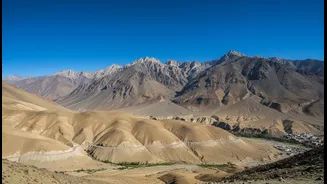
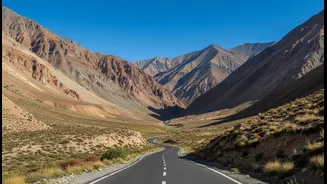
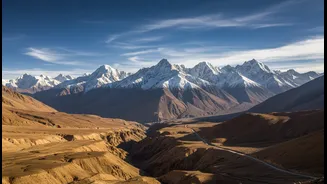
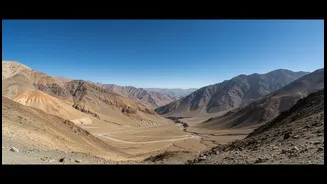
In India, the most prominent rain-shadow regions are located in the trans-Himalayas. These destinations offer a starkly different, but equally beautiful, trekking experience. Ladakh is the classic example. Often called a 'cold desert', it receives very little rainfall, making it an ideal trekking destination from June to September. Popular treks like the Markha Valley and the Sham Valley come alive during these months, offering views of barren, dramatic landscapes, vibrant monasteries, and lush meadows in rare bloom. Spiti Valley in Himachal Pradesh is another prime choice. It is geographically shielded from the monsoon, offering treks like the Pin Valley and Kanamo Peak treks. These routes remain stable and dry, providing a unique crossover experience from the green valleys of Kullu to the arid, moon-like landscapes of Spiti. Parts of Kashmir, such as the trails for the Tarsar Marsar Trek, also benefit from this effect, showcasing blooming wildflowers in lush meadows without the intense downpours seen elsewhere.
Mapping Your Monsoon-Proof Trek
Planning a rain-shadow trek requires a different mindset. While the core area may be dry, the journey to get there can be challenging. The roads leading to Ladakh and Spiti, like the Manali-Leh Highway, often pass through regions that receive heavy monsoon rainfall. This means you must plan for potential landslides, roadblocks, and water crossings. Smart planning involves building buffer days into your itinerary. Don't plan a tight schedule; allow for at least two to three extra days to account for travel delays. When choosing a trek, research its specific location within the rain shadow. For example, the Hampta Pass trek offers a dramatic experience where you trek through rain on the Kullu side before crossing into the dry Lahaul valley. Understanding the topography using digital mapping tools like Gaia GPS or CalTopo can help you visualize the route and anticipate challenging sections. Always check recent trail conditions and local government advisories before you leave.
Essential Gear and Safety Protocols
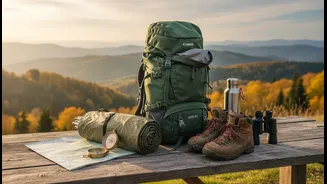
Even in a dry region, high-altitude safety remains paramount. Acclimatization is non-negotiable. Since most rain-shadow destinations are at high altitudes (Leh is at 3,500 metres), spend at least two full days at your starting point to let your body adjust before beginning any strenuous activity. Drink plenty of water and avoid alcohol. While the trek itself might be sunny, your gear list should still account for unpredictable mountain weather. Pack layers, including quick-drying clothes, a waterproof jacket for the approach journey, and a warm insulated layer for cold nights. High-grip trekking shoes are essential, as are trekking poles for stability on uneven terrain. Always carry a comprehensive first-aid kit with medications for altitude sickness. Hiring a local, licensed guide is highly recommended. They possess invaluable knowledge of the terrain, weather patterns, and emergency protocols, significantly enhancing your safety.