



An Unprecedented Surge in Interest
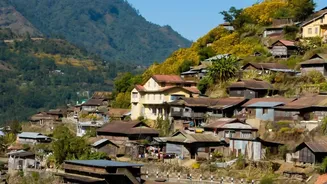
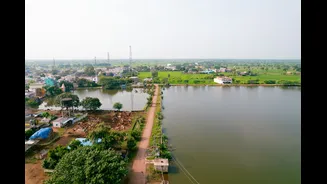
Recent travel data has unveiled a surprising new star on the Indian tourism map. Rupsi, a relatively quiet corner of western Assam, has seen an astonishing 502% year-on-year increase in flight searches, according to a recent 'Travel Trends Report' from
the global platform Skyscanner. This incredible spike in interest has placed it second on the list of trending destinations for Indian travelers, just behind Bishkek in Kyrgyzstan and ahead of well-known places like Okinawa in Japan. For a location that was, until recently, far from the mainstream tourist circuit, this surge is nothing short of phenomenal. It signals a clear shift in traveler preferences towards exploring lesser-known, domestic gems that offer unique and authentic experiences.
The Airport That Changed Everything
The primary catalyst for Rupsi's newfound fame is undoubtedly its airport (IATA code: RUP). Originally a World War II-era airfield, the airport was revived and made operational in May 2021 under the Indian government's UDAN scheme, aimed at boosting regional air connectivity. This development was a game-changer for Lower Assam, a region that had been difficult to access. What was once a grueling six-hour road journey from Guwahati can now be covered in a breezy 40-minute flight. This newfound accessibility has not only served the local communities of Dhubri and Kokrajhar but has also opened up a vast, unexplored region to tourists. Further expansion plans are already in motion to handle larger aircraft, promising to make Rupsi a key aviation hub connecting Assam with neighbouring states and even countries like Bhutan and Bangladesh.
Gateway to Western Assam’s Treasures
So, what awaits the curious traveler who flies into Rupsi? The airport serves as a gateway to a diverse range of attractions that showcase the natural beauty and rich cultural tapestry of western Assam. Just a short distance away lies the Raimona National Park, a biodiversity hotspot known for its golden langurs. The famous Manas National Park, a UNESCO World Heritage Site and tiger reserve, is also within reach, offering incredible wildlife-sighting opportunities. This makes Rupsi an ideal starting point for eco-tourists and nature lovers looking to explore the region's pristine forests and sanctuaries.
A Journey Through History and Faith
Beyond the wildlife, the area around Rupsi is steeped in history and spirituality. Visitors can explore the Matiabagh Royal Palace in Gauripur, which offers a glimpse into the region's royal past. The town of Dhubri, situated on the banks of the mighty Brahmaputra, is home to the Gurudwara Sri Guru Teg Bahadur Sahib Ji, a historic and revered Sikh shrine. Also nearby is the Mahamaya Dham, a Shakti Peeth that is a major pilgrimage site in Lower Assam. For those interested in local crafts, a visit to the terracotta craft village of Asharikandi is a must to witness traditional artisans at work.
The Rise of the Offbeat Destination
Rupsi's emergence reflects a broader trend in travel where tourists are actively seeking out 'offbeat' and 'underrated' destinations. The modern traveler is increasingly looking to escape crowded hotspots in favor of more meaningful journeys that offer cultural immersion and a connection to local life. Destinations like Rupsi, Majuli, and Ziro Valley in the Northeast are perfectly poised to meet this demand, offering tranquility, unique ecosystems, and authentic cultural experiences that are hard to find in more commercialized locations. The growing interest in Rupsi is not just about a flight search; it's about the collective desire for a different kind of travel—one that is slower, more mindful, and more rewarding.