






The Undisputed Reach of UPI
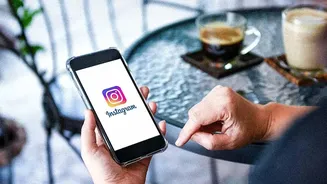
Unified Payments Interface (UPI) has transformed daily commerce in India. For travellers, its biggest advantage is its near-universal acceptance. From street food vendors and local markets to auto-rickshaws and small-town shops, the familiar QR code is almost
everywhere. This makes it incredibly convenient for small, everyday transactions without needing to carry much cash. Payments are instant and directly debited from your linked bank account. For foreign travellers, services are emerging that allow linking a prepaid wallet to UPI, bypassing the need for an Indian bank account.
The Power and Perks of Credit Cards
While UPI dominates small transactions, credit cards remain the powerhouse for larger expenses. Think hotel bookings, flight tickets, car rentals, and high-end restaurant bills. The primary benefits are security, the ability to defer payments, and access to a line of credit. Many travel-focused credit cards also offer significant perks like complimentary airport lounge access, travel insurance, reward points redeemable for flights or stays, and exclusive discounts. Furthermore, in case of a dispute over a service or product, resolving it through a credit card company is often more straightforward than with an instant UPI transfer.
Key Differences for the Traveller
The choice between UPI and credit card often comes down to the situation. UPI is dependent on a stable internet or mobile data connection, which can be patchy in remote or rural areas. Credit card terminals are also less common outside of urban centres and established businesses. While most UPI transactions are free, credit cards can sometimes incur transaction fees, especially for international cards. However, credit cards offer robust fraud protection and purchase insurance, which UPI does not. For large pre-authorizations, like a security deposit at a hotel, a credit card is almost always required.
When to Scan with UPI
UPI is your best friend for experiencing India like a local. Use it when buying from street vendors, navigating bustling local markets, paying for a ride in a rickshaw, or buying a cup of chai from a small stall. In many of these scenarios, card payments are not an option, and paying with UPI saves you the hassle of carrying exact change. Its widespread adoption in cities means you can often get by with very little physical cash for your daily expenses.
When to Swipe Your Credit Card
Reserve your credit card for big-ticket items and formal transactions. This includes settling bills at hotels and upscale restaurants, booking domestic flights, and making purchases in malls and branded stores. Using a card for these expenses helps you accumulate reward points and provides a clear record of your major travel expenditures. It's also the safer, more reliable option for any online bookings you make during your trip.
A Smart Hybrid Payment Strategy
The most effective approach is not to choose one over the other, but to use both strategically. A balanced strategy ensures you are prepared for any payment situation. Use your credit card for pre-planned, high-value purchases to maximize rewards and security. For everything else—the spontaneous, the local, the everyday—use UPI. This hybrid model minimizes the risks associated with carrying large amounts of cash while giving you the flexibility to pay anywhere, from a five-star hotel to a roadside coconut water seller. Always carry a small amount of cash (around ₹2,000-₹3,000) as a final backup for emergencies or in areas with no connectivity.
Essential Payment Safety Tips
Regardless of your chosen method, prioritize security. For UPI, use a strong screen lock on your phone and never share your PIN. Always double-check the recipient's name before authorizing a payment and be wary of unsolicited payment requests. When using credit cards, inform your bank about your travel plans to avoid your card being blocked for suspicious activity. Avoid using public Wi-Fi for any financial transactions and enable transaction notifications to keep track of your spending in real-time.