


What Is Shadow Boxing?
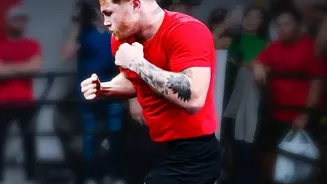
At its core, shadow boxing is a solo training drill where you move and punch as if you were facing an imaginary opponent. Used by fighters for over a century, it serves as a foundational practice to perfect technique without the distraction of a heavy
bag or sparring partner. But its benefits extend far beyond the ring. For fitness enthusiasts, it is a dynamic workout that engages the entire body, from the feet to the core and through the shoulders and arms. The exercise combines constant footwork with controlled punches, slips, and rolls, making it a comprehensive form of conditioning that requires no equipment and very little space.
The Coordination Connection
The primary focus of the headline is coordination, and for good reason. Shadow boxing is an exceptional tool for improving motor skills. Because there is no bag to provide impact or resistance, you are solely responsible for controlling every movement. This forces a powerful connection between your mind and body. Throwing a punch isn't just an arm movement; it's a chain reaction that starts from your feet, rotates through your hips, engages your core, and extends through your fist. Simultaneously, you must maintain your balance, move your head defensively, and prepare for the next action. This constant interplay of offense, defense, and footwork builds superior body awareness, agility, and hand-eye coordination that translates into better performance in other sports and daily activities.
More Than Just Motor Skills
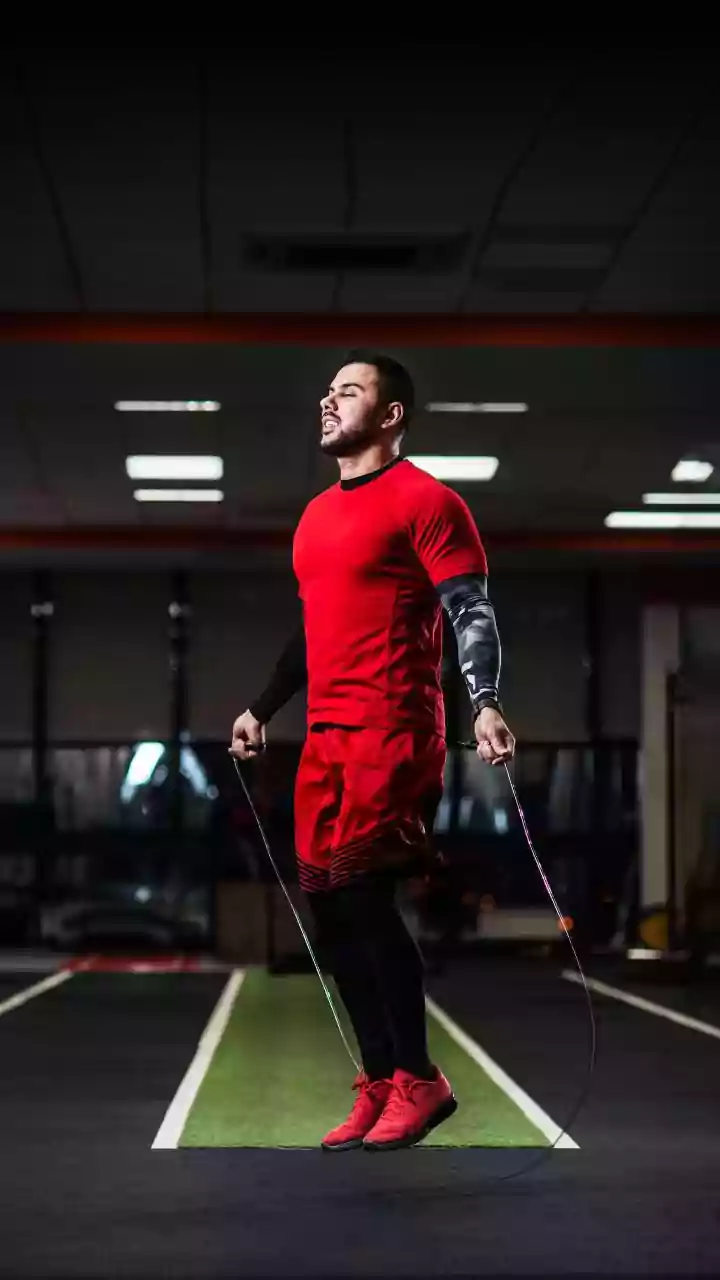
While coordination is a key benefit, shadow boxing offers a complete fitness package. It’s an excellent cardiovascular workout that functions like high-intensity interval training, with bursts of punches followed by active recovery. This elevates your heart rate, burns a significant number of calories, and builds endurance. It also develops muscle endurance, particularly in the shoulders, core, and legs, which have to work continuously to maintain form and power. Furthermore, the mental focus required to visualize an opponent and react to their imagined moves can be a form of moving meditation, helping to relieve stress and improve concentration.
How to Get Started: The Basics
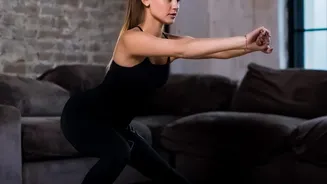
Getting started is simple. First, find your stance. If you're right-handed, place your left foot forward; if left-handed, your right foot leads. Keep your feet shoulder-width apart, with a slight bend in your knees and your weight on the balls of your feet. Your hands form your guard, held up around your cheekbones with your elbows tucked in to protect your body. Begin with basic movements. Practice moving forward, backward, and side-to-side without crossing your feet. Then, introduce the basic punches: the jab (a quick, straight punch with your lead hand) and the cross (a power punch with your rear hand). Focus on snapping the punches out and bringing your hands straight back to your guard.
Common Mistakes to Avoid
To get the most out of your workout, be mindful of common beginner mistakes. One major error is planting your feet and only moving your arms; proper shadow boxing involves constant footwork. Another is a lack of focus. Don't just go through the motions—visualize an opponent to make the drill tactical and engaging. Many beginners also drop their hands after punching, leaving themselves exposed. Always bring your hands back to your guard. Finally, remember to breathe. Exhale sharply with each punch and stay relaxed, as tensing up will drain your energy quickly and make your movements stiff.