



The Science of Spice: What Makes a Pepper Hot?
The fundamental difference between a sweet bell pepper and a fiery habanero comes down to one key compound: capsaicin. This is the active component in hot peppers that creates the burning sensation when it comes into contact with tissue. Essentially,
capsaicin tricks the pain receptors in your mouth into thinking they are being burned, even though no actual heat damage is occurring. Sweet peppers, like the common bell pepper, are the only members of the capsicum family that contain either no capsaicin or only trace amounts. The concentration of this compound is highest in the pepper's inner white pith or ribs, and to a lesser extent, the seeds. This is why removing the seeds and membranes is a common way to tame a pepper's heat.
Decoding the Heat: The Scoville Scale
To bring some order to the vast world of pepper intensity, we have the Scoville scale. Developed by pharmacist Wilbur Scoville in 1912, this system measures the pungency of peppers in Scoville Heat Units (SHU). It quantifies the concentration of capsaicinoids. While the original method involved a panel of human tasters, modern labs use high-performance liquid chromatography for a more precise measurement. The scale starts at 0 SHU for a bell pepper and goes into the millions for super-hot varieties. A jalapeño might range from 2,500 to 8,000 SHU, while a habanero can pack a powerful punch at 100,000 to 350,000 SHU. This scale is an invaluable tool for any cook looking to control the heat level of their dishes with confidence.
The Sweet Side: Peppers for Flavor, Not Fire
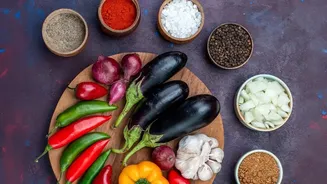
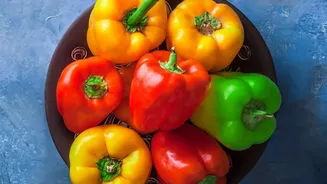
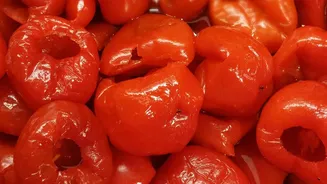
Sweet peppers are culinary workhorses, prized for their flavour, colour, and texture. They're perfect for adding bulk and nutrients to vegetarian dishes. Bell peppers are the most common, with different colours offering slightly different tastes; green is more grassy and slightly bitter, while red, yellow, and orange are sweeter and fruitier. They can be eaten raw in salads, sliced for dipping, or used as an edible vessel for fillings like rice and beans. Other popular sweet varieties include the Italian frying pepper (or Cubanelle), which is thin-skinned and great for sautéing, and sweet banana peppers, which are excellent for pickling or adding a mild tang to sandwiches. Roasting sweet peppers brings out their natural sugars, making them a delicious addition to sauces, soups, and dips like hummus.
Walking on the Hot Side: A Guide to Pungent Peppers
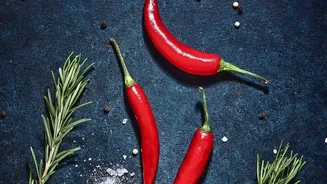
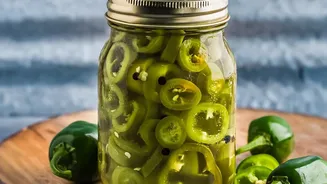
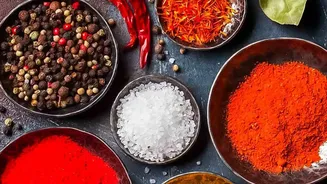
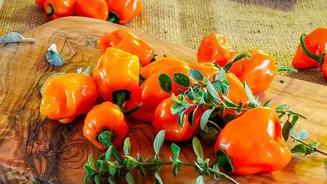
Venturing into hot peppers opens up a new dimension of flavour. It's not just about heat; each hot pepper has a unique taste profile. The jalapeño is arguably the most popular in many Western kitchens, offering a moderate kick that's versatile enough for salsas, nachos, or being stuffed. Moving up the scale, the serrano pepper is thinner and significantly hotter than a jalapeño, bringing a clean, crisp heat. Cayenne peppers, often found dried and ground, provide a straightforward, sharp heat perfect for powders and rubs. For those seeking serious fire, the habanero offers intense heat paired with a fruity, floral flavour, making it a favourite for hot sauces and Caribbean-inspired vegetarian dishes like jerk tofu or spicy mango salsa.
Kitchen Tips for Handling the Heat
Cooking with hot peppers requires a bit of caution, as the capsaicin that makes them spicy can also cause significant skin and eye irritation. The best practice is to wear gloves when slicing or de-seeding hot peppers. If you don't have gloves, be mindful not to touch your face, especially your eyes. After handling, wash your hands thoroughly with soap and warm water. If you accidentally get the fiery oils on your skin, you can try washing the area with vegetable oil or rubbing alcohol, as capsaicin is more soluble in oil and alcohol than in water. And if you make a dish that's a little too spicy? Adding dairy (or a dairy-free equivalent like coconut milk), a touch of sugar, or some acidity from lime juice can help balance and cool the heat.