
The Perfect Season: Post-Monsoon Bliss
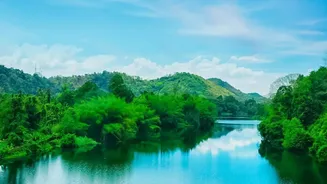
The period between October and November is arguably the best time to witness Sohra (also known as Cherrapunji) in its full glory. The relentless monsoon rains have subsided, but their gift remains: waterfalls are still flush with power, and the entire
region is draped in a vibrant, fresh green. This season strikes a perfect balance. You get the dramatic, water-filled landscapes that make Meghalaya famous, but with clearer skies and more comfortable trekking conditions than the peak rainy months. The air is fresh, visibility is good, and the tourist crowds of deep winter have yet to arrive, offering a more serene experience.
Chasing Sohra's Magnificent Waterfalls
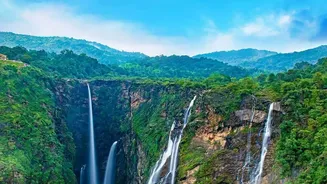
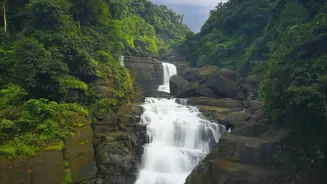
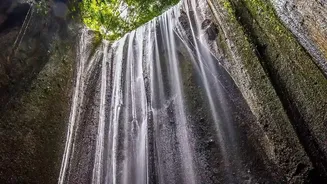
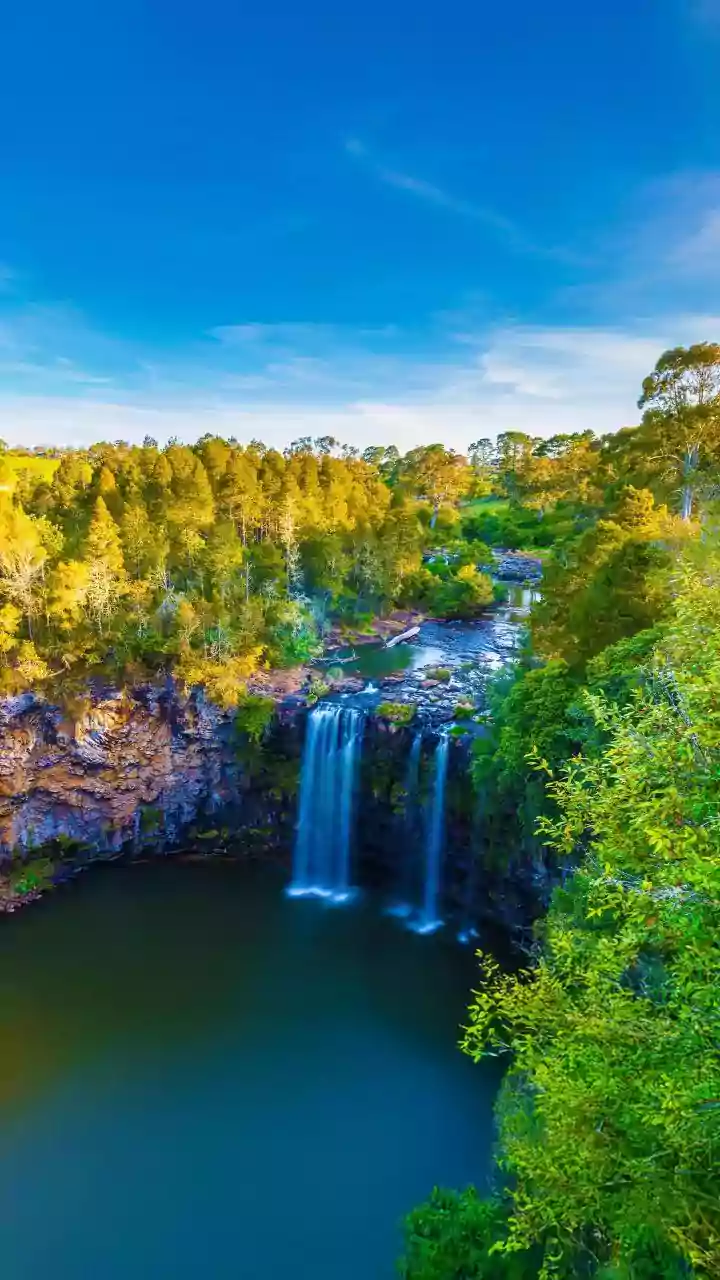
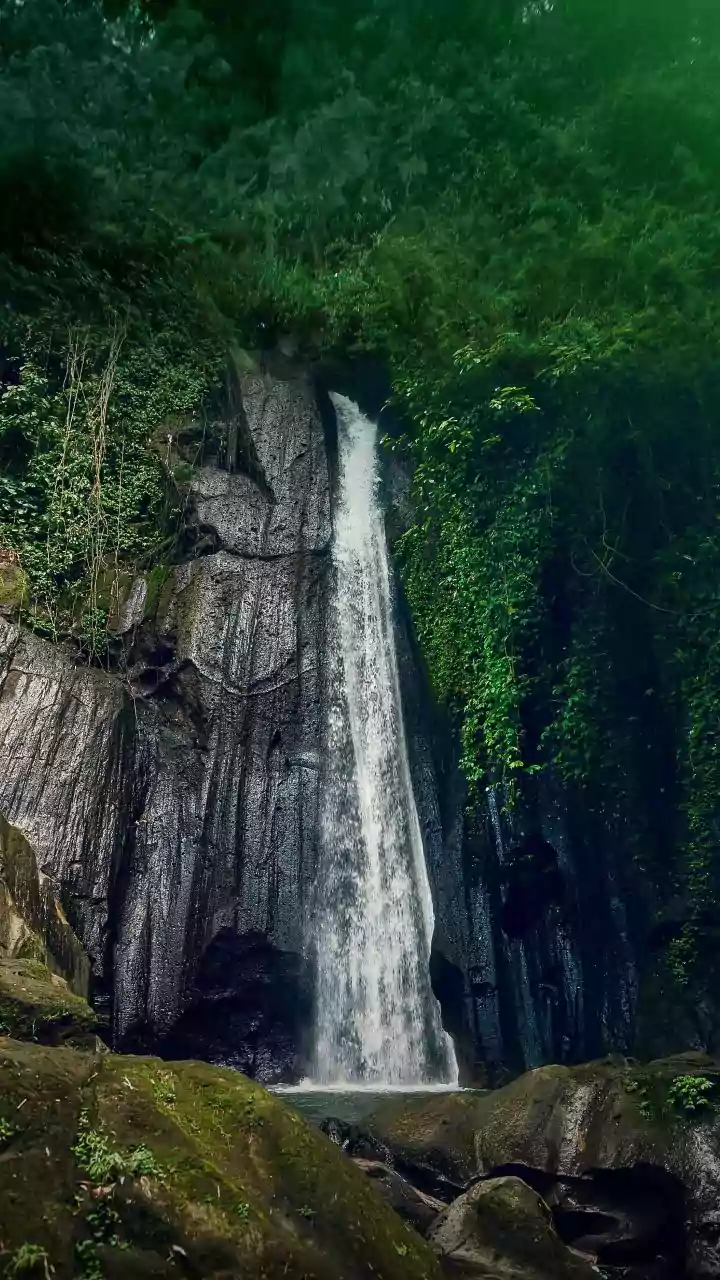
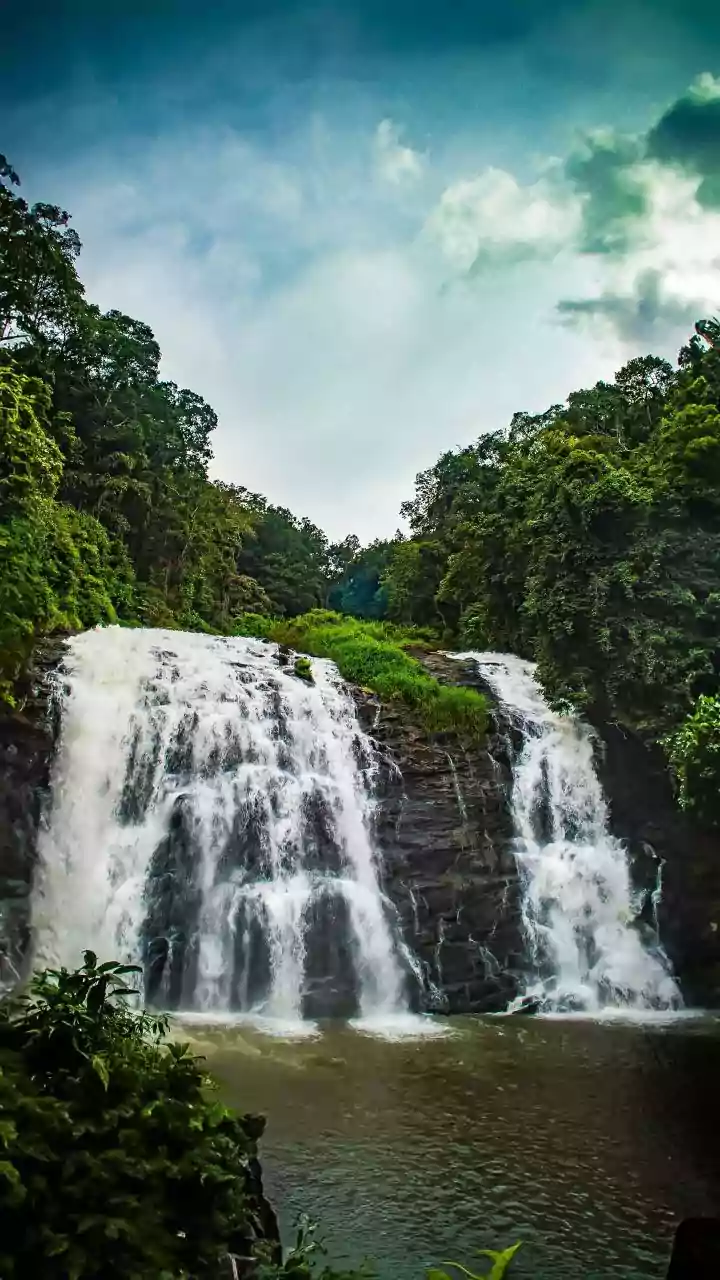
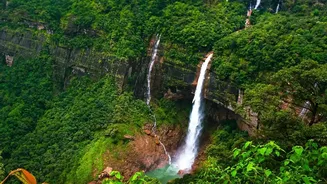
Sohra is legendary for its waterfalls, and in autumn, they are spectacular. The most famous is Nohkalikai Falls, India's tallest plunge waterfall, which drops dramatically from a height of 340 metres into a stunning turquoise pool below. According to Khasi legend, its name translates to "Jump of Ka Likai," a tragic story that adds a layer of mystique to its beauty. Another must-see is Nohsngithiang Falls, popularly known as the Seven Sisters Falls. It features seven distinct streams cascading side-by-side down limestone cliffs, a sight that is most impressive during and immediately after the monsoon. For a slightly more offbeat experience, seek out Dainthlen Falls, which has its own fascinating legend and allows visitors to get closer to the riverbed.
The Living Marvels: Bio-Engineered Root Bridges
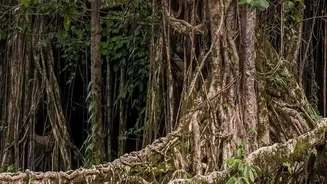
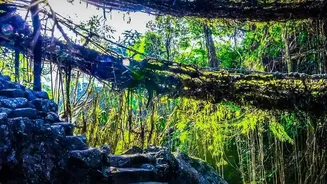
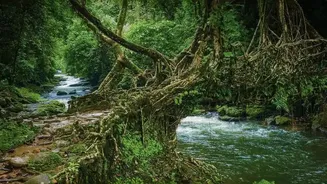
No trip to Meghalaya is complete without witnessing the incredible living root bridges, a testament to the ingenuity of the local Khasi and Jaintia tribes. Instead of building structures that would rot in one of the wettest places on Earth, they learned to guide the aerial roots of the Ficus elastica (rubber fig) tree across rivers and streams. Over 15 to 25 years, these roots grow and intertwine to form strong, living bridges that can last for centuries and only get stronger with age. The most famous of these is the Umshiang Double-Decker Root Bridge in Nongriat village. Reaching it requires a significant trek of over 3,500 steps, but the reward is a surreal, two-tiered natural wonder that feels like something from a fantasy novel. Along the way, you'll also encounter smaller single-decker bridges and wire suspension bridges, making the journey as memorable as the destination.
Beyond the Famous: Offbeat Root Bridges
While the Double-Decker bridge is iconic, Meghalaya hides many other root bridges for those willing to explore further. Near Nongriat, the Ritymmen Root Bridge is celebrated as one of the longest single-decker bridges, offering a stunning sight without the same level of crowds. For a truly off-the-path adventure, inquire about the Umkar Root Bridge, a hidden gem that showcases the same incredible bio-engineering in a more secluded setting. Exploring these lesser-known bridges connects you more deeply with the quiet, forested valleys and the sustainable traditions of the Khasi people. Many of these treks are best done with a local guide who can navigate the trails safely.
Practical Tips for Your Pre-Winter Trip
To make the most of your getaway, a little preparation goes a long way. The trek to the Double-Decker bridge is strenuous and requires a decent level of fitness and proper trekking shoes with good grip. While days are pleasant, evenings can get cool, so packing in layers is wise. Even outside the monsoon, rain is always a possibility in Sohra, so carrying a waterproof jacket and quick-drying clothes is essential. It's also a good idea to carry sufficient cash, as ATMs can be scarce in more remote villages. The trek to Nongriat is often closed on Sundays by the village council, so plan your itinerary accordingly.