



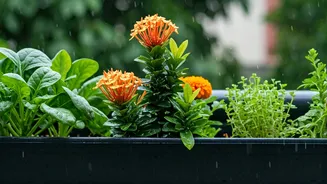


Why Monsoon Is a Gardener’s Best Friend
For a beginner, the biggest hurdle is often the routine: remembering to water, worrying about the harsh sun, and wondering if anything will ever sprout. The monsoon season sweeps away many of these anxieties. The consistent rainfall means you don’t have
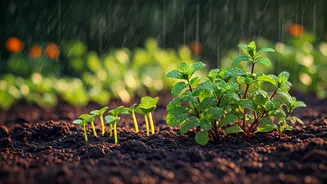
to worry about daily watering—nature handles it for you. The high humidity in the air keeps the soil moist and creates a greenhouse-like effect, encouraging seeds to germinate faster and cuttings to take root more easily. Moreover, the cloud cover shields delicate new saplings from the scorching direct sun that can often be fatal to young plants. This combination of natural irrigation, high humidity, and softer light creates a forgiving environment where plants don't just survive; they thrive. It’s like having a gardening expert on call 24/7, taking care of the most crucial tasks for you.
1. Start with Quick-Growing Greens
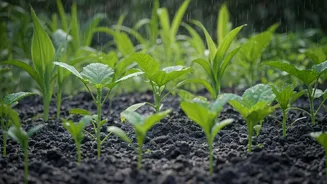
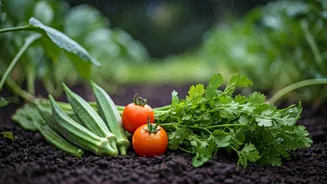
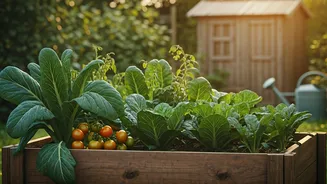
Nothing builds confidence like a quick win. Leafy vegetables are perfect for this. Plants like spinach (palak), amaranth (chaulai), and fenugreek (methi) grow incredibly fast in the monsoon climate. You can often see sprouts in just a few days and be ready for your first small harvest in under a month. All you need is a wide, shallow pot or a grow bag with good drainage. Use a light soil mix (coco peat, compost, and soil in equal parts is a great start) and sow the seeds thinly across the surface. Cover them with a thin layer of soil, water lightly once, and let the monsoon do the rest. The satisfaction of adding your own fresh, pesticide-free greens to a meal is the ultimate motivation to keep going.
2. Add a Pop of Colour with Rain-Loving Flowers
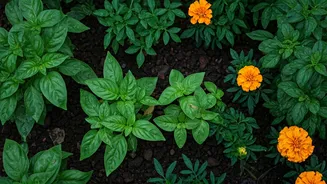
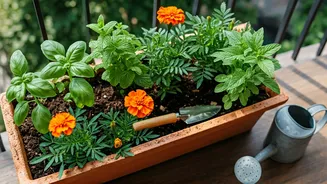
A garden isn’t just about food; it’s about joy. Monsoon is the prime time for some of the most beautiful flowering plants that adore the wet weather. Balsam (the ‘impatient Lucy’), with its vibrant pink, red, and purple flowers, is a classic monsoon choice. It grows quickly and blooms profusely. Another fantastic option is the hibiscus, whose large, dramatic flowers bring a tropical feel to any balcony. Marigolds (genda) are also incredibly hardy and their bright orange and yellow hues can light up even the greyest of days. These plants are generally resilient and don't require much fuss. Plant them in pots with good drainage and watch them transform your space into a colourful sanctuary.
3. Grow Your Own Essential Herbs
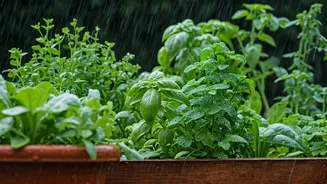
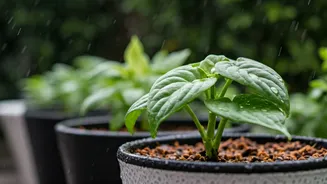
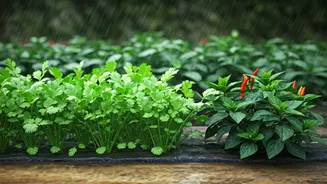
An herb garden is both practical and wonderfully fragrant. Many herbs are tough and thrive with the extra moisture of the monsoon. Mint (pudina) is almost impossible to kill and will happily spread in its pot, giving you an endless supply for chutneys and teas. Holy Basil (tulsi) is another must-have; it’s revered for its medicinal properties and is very low-maintenance. Lemongrass is also a great choice, as it loves water and its fresh, citrusy scent is a natural insect repellent. These can be grown in small individual pots on a windowsill or balcony railing. Just a snip here and there, and you’ll instantly elevate your home cooking and chai-time rituals.
A Few Simple Rules for Monsoon Success
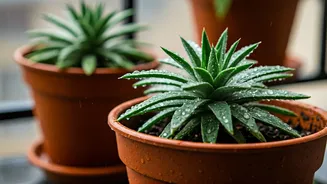
While the monsoon is helpful, it’s not foolproof. The biggest enemy during this season is too much water. Ensure every single one of your pots has drainage holes at the bottom to let excess water escape, preventing root rot. It's also wise to use a well-draining soil mix rather than heavy, clay-like garden soil, which can become waterlogged. Keep an eye out for pests like slugs and snails, which love the damp conditions. A simple home remedy of a garlic-chilli spray can help keep them at bay. Finally, don't overcrowd your pots. Good air circulation is key to preventing the fungal diseases that can flourish in high humidity. A little bit of prevention goes a long way in ensuring your green venture is a resounding success.