





The Monsoon Craving Is Real
When the skies turn grey and a cool breeze blows, an almost primal urge for hot, savoury food takes over. For many of us, this translates directly to a plate of deep-fried goodness. Samosas, kachoris, bhajiyas—these are the undisputed kings of rainy-day
snacking. Yet, as delicious as they are, they often leave us feeling heavy, bloated, and lethargic. The high oil content and refined flour can be tough on our digestive system, which tends to be more sensitive during the monsoon. This seasonal craving sets up a classic conflict between what our taste buds want and what our body actually needs.
Enter Millets: The Smart Swap
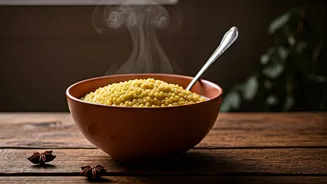
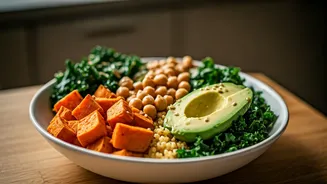
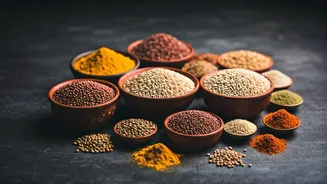
This is where our ancient, humble millets come into the picture. Long before they became a global health trend, grains like jowar (sorghum), bajra (pearl millet), ragi (finger millet), and foxtail millet were staples in Indian kitchens. Packed with nutrients and incredibly versatile, they offer a brilliant alternative to a plate of greasy snacks. Millets provide that same comforting, carb-heavy satisfaction but in a much more wholesome package. They are the smart swap that doesn't feel like a compromise, especially when prepared with the right blend of aromatic spices.
Why Millets Shine on Rainy Days
Millets are particularly well-suited for the monsoon for several key reasons. Firstly, they are a powerhouse of nutrition. Rich in fibre, they aid digestion and prevent the sluggishness often associated with the season. Many millets are also gluten-free, making them a gentle option for everyone. Secondly, they are packed with essential minerals like magnesium, iron, and zinc, which play a crucial role in strengthening the immune system. A robust immune system is your best defence against the common colds, flu, and infections that are rampant during the rains. Finally, a warm bowl of cooked millets provides a sense of internal warmth, which is a core concept in traditional Indian wellness for balancing the body during the damp, cool weather.
The Magic of Spices
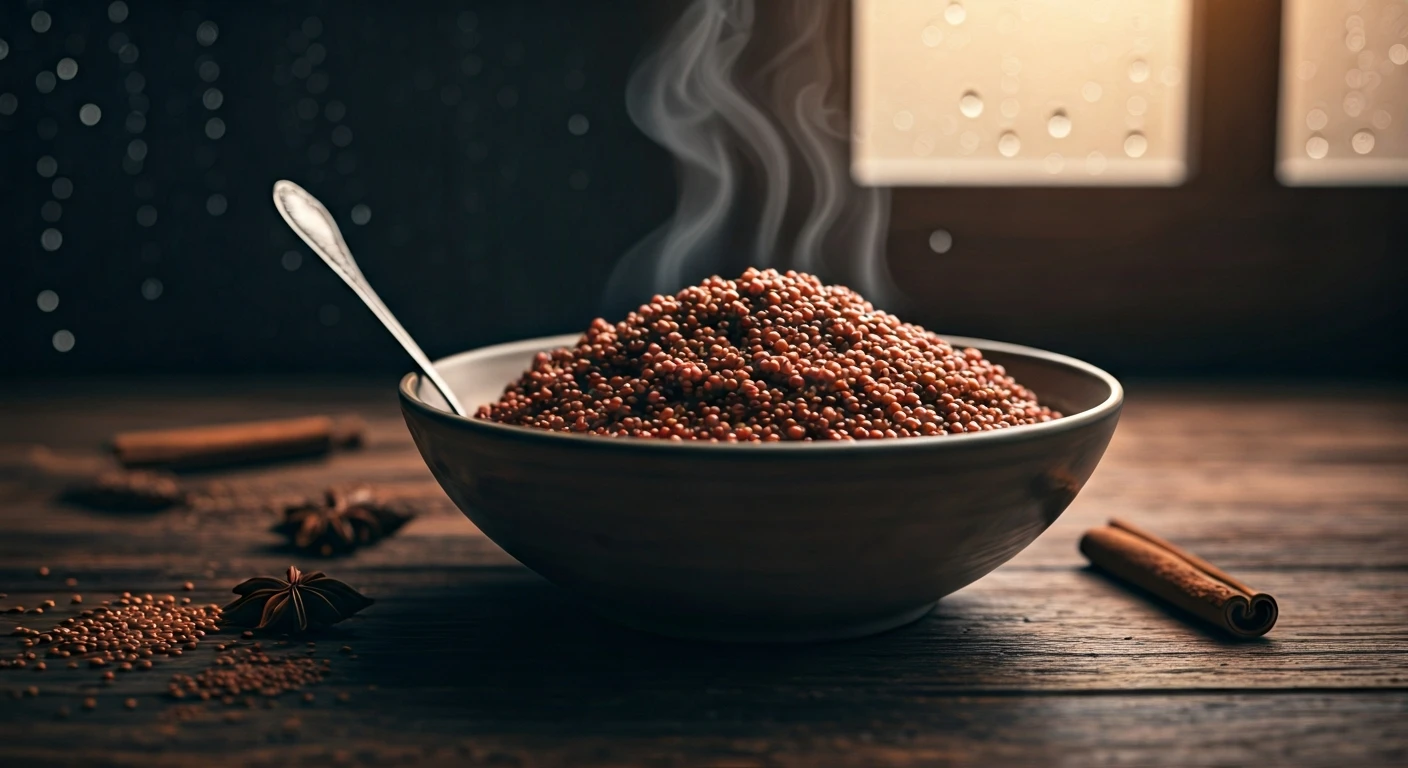
The “spiced” part of the equation is just as important as the millet itself. Indian spices are not just for flavour; they are potent medicinal ingredients. Adding spices like turmeric, ginger, black pepper, and cumin does more than just tantalise your taste buds. Ginger and cumin are renowned digestive aids, helping to fire up a weak digestive system. Turmeric is a powerful anti-inflammatory and antioxidant agent. Black pepper, besides adding a pungent kick, helps enhance the absorption of nutrients, including the curcumin in turmeric. This synergy between the wholesome grain and healing spices creates a dish that is truly designed to nourish and protect you during the monsoon.
Easy Ways to Enjoy Spiced Millets
Incorporating spiced millets into your diet is simple and delicious. You don’t need complicated recipes to get started. Think of your favourite comfort foods and give them a millet twist.
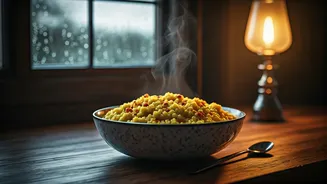
- Millet Khichdi: Swap out rice for foxtail or little millet to make a hearty, one-pot meal. Temper it with ghee, cumin seeds, ginger, and a pinch of turmeric for a soul-soothing dinner.
- Spicy Millet Upma: A quick and flavourful snack for any time of day. Use ragi or jowar flour to create a savoury porridge, seasoned with mustard seeds, curry leaves, and green chillies.
- Masala Millet Porridge: For a truly warming and soupy delight, cook any millet until very soft with extra water or broth. Season it like a soup with garlic, pepper, and a dash of garam masala. It’s the perfect, comforting answer to a chilly, wet evening.