




Why Humidity is the Real Enemy
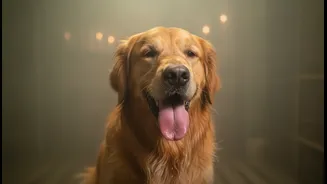
We often think of temperature when we worry about heat, but for our pets, humidity is a bigger problem. Unlike humans who sweat all over their bodies to cool down, dogs and cats have very limited sweat glands, mostly in their paws. Their primary cooling
mechanism is panting. Panting works by evaporating moisture from their tongue and respiratory tract. However, when the air is already thick with moisture—as it is during Indian monsoons or in coastal cities—this evaporation process becomes highly inefficient. Their natural air-conditioner effectively shuts down, making it incredibly difficult for them to lower their body temperature, even in a room that doesn't feel excessively hot to you.
Know the Warning Signs
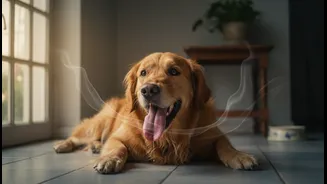
Heatstroke can happen quickly, so recognising the early signs is crucial. Don't dismiss these symptoms as just your pet being tired. Watch out for excessive or heavy panting that doesn't stop, drooling that is thicker than usual, and bright red gums or tongue. Your pet might seem restless, weak, or confused, and in more advanced stages, they could vomit, have diarrhoea, stumble, or even collapse. Cats are often more subtle than dogs, so you might just notice them hiding more or being unusually lethargic. If you see any of these signs, you need to act immediately.
Some Breeds Need Extra Care
While any pet can overheat, some breeds are at a much higher risk in the Indian climate. Brachycephalic, or flat-faced, breeds like Pugs, Boxers, and Persian cats are extremely vulnerable. Their short nasal passages make panting inefficient even in normal conditions. Similarly, breeds with thick double coats, such as Siberian Huskies and Saint Bernards, which have become popular in India, are genetically built for cold weather and can struggle immensely. Overweight or elderly pets are also more susceptible to heat stress.
Your Indoor Cooling Checklist
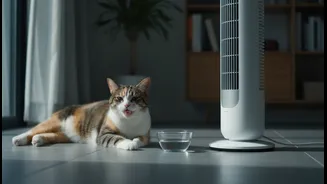
Preventing overheating is much better than treating it. You don't always need an air conditioner to keep your pet safe. Ensure they always have access to multiple bowls of fresh, cool water; adding ice cubes can help. Let them lie on cool surfaces like tile or marble floors. A fan can help with air circulation, and a simple trick is to place a frozen bottle of water in front of it. Cooling mats are a great investment, but a damp towel placed on the floor for them to lie on also works well. Avoid exercise during the hottest parts of the day—stick to early mornings or late evenings for walks. And remember, hot pavement can burn their paws, so always check the surface with your hand first.
Emergency First Aid
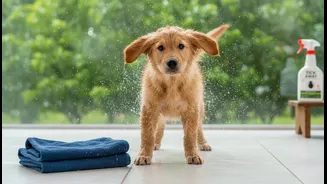
If you suspect your pet has heatstroke, every second counts. The guiding principle is to "cool first, transport second". Immediately move them to a cooler, shaded area. Use cool—not ice-cold—water to wet their body, focusing on their paws, belly, and neck. Using ice-cold water can be counterproductive, as it constricts blood vessels and can trap heat inside. Point a fan at them to speed up evaporation. You can offer them small sips of cool water if they are conscious, but don't force them to drink. While you are doing this, have someone call your veterinarian and let them know you are on your way. All pets who have experienced heatstroke need to be checked by a vet, even if they seem to recover.