

Use Open Shelving
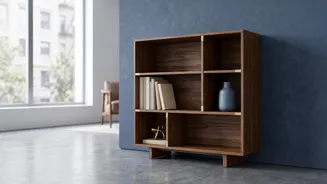
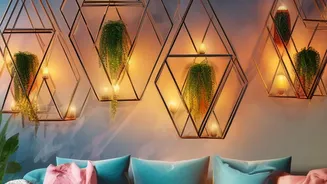
One of the most functional ways to divide a space is with an open bookshelf or shelving unit. It creates a clear visual boundary without completely blocking light or sightlines, maintaining an airy feel. This method is a double win: you get a partitioned
zone plus valuable storage for books, plants, and decor. To maximize the effect, choose a tall, backless unit and strategically arrange items, leaving some empty space to allow light to pass through. This makes it a hardworking solution for separating a living area from a dining space or carving out a home office.
Hang Curtains or Drapes
Often overlooked for anything but windows, curtains are a soft, flexible, and budget-friendly way to partition a room. A ceiling-mounted track allows you to easily open and close the 'wall' as needed, offering instant privacy. This is perfect for separating a sleeping area in a studio apartment or hiding a cluttered workspace at the end of the day. Choose fabrics that complement your decor, from sheer panels that filter light to heavy drapes that block it out entirely and offer a bit of sound dampening.
Invest in Folding Screens
For ultimate flexibility, nothing beats a classic folding screen. These dividers have been used for centuries for a reason: they are incredibly versatile, require no installation, and can be moved or stored in moments. Available in a huge variety of styles—from carved wood and traditional jali patterns to modern upholstered panels—a screen can act as a decorative accent when not in use. They are ideal for creating a temporary dressing corner in a bedroom or sectioning off a quiet reading nook.
Define Zones with Rugs
Sometimes, a division doesn't need to be vertical. Using area rugs is a powerful and subtle way to define different functional zones from the ground up. Placing a distinct rug in your living area and another in the dining space creates two separate, anchored 'rooms' within a larger open plan. The key is to ensure the rugs are large enough for each zone, with the main furniture pieces sitting comfortably on them. This technique creates a strong psychological boundary without any physical obstruction.
Get Creative with Furniture
Your existing furniture can be your best room-dividing tool. 'Floating' your sofa away from the wall, with its back facing the dining area, instantly creates a boundary for the living zone. Placing a console table behind the sofa reinforces this line and adds a functional surface. You can also use a low bench, a chaise lounge, or a pair of armchairs to signal a transition from one area to another. This method is all about strategic placement to guide the eye and direct traffic flow.
Install Sliding Panels or Doors
For a more structured but still non-permanent solution, consider sliding panels or barn doors. While they require some installation, they don't involve building a full wall. Sliding doors on a track save floor space compared to swinging doors and offer a solid barrier for sight and sound when closed. Modern options range from rustic wooden barn doors to sleek, frosted glass panels that let light through while ensuring privacy. Slatted wood partitions are also a popular contemporary choice, offering separation while maintaining a sense of openness.
Utilise Plants as a Living Wall
Create a natural, vibrant divider by grouping tall plants together. A collection of large potted plants like fiddle-leaf figs, snake plants, or palms can form a lush, green screen that separates spaces while purifying the air. You can place them on the floor or use a series of plant stands of varying heights to create a more dynamic barrier. This 'living wall' adds texture, colour, and life to your home, making it a beautiful and healthy way to define your space.