

The Illusion of the Full Pantry
Supermarkets are designed to make us feel that more is always better. ‘Buy one, get one free’ offers and jumbo-sized packs create a perception of smart savings. Psychologically, this taps into a fear of scarcity, making us want to stock up. We buy a giant
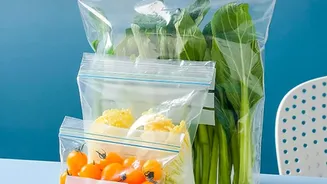
jar of imported sauce for a single recipe or a family-sized bag of spinach with the best of intentions. The discount feels immediate, but the risk of spoilage feels distant. However, this mindset often leads to a pantry full of expiring goods and a fridge drawer of wilted greens. In India, households waste an estimated 50 kg of food per person annually. This isn't just a failure of planning; it's a misunderstanding of what ‘value’ truly means in the kitchen.
Redefining Value: From Grams to Meals
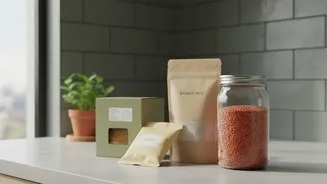
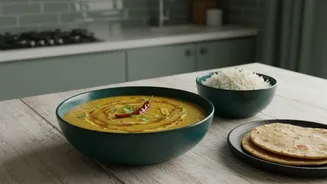
The real value of an ingredient isn't its cost per gram, but its cost per usable meal. It's time to shift our focus from shelf size to meal potential. A small, versatile bag of besan (gram flour) that can be used for pancakes, pakoras, and curries offers far more value than a large, single-use packet of exotic flour that languishes in the cupboard. Staples like lentils, rice, onions, and potatoes are the heroes of an economical kitchen because they are flexible. They can form the base of dozens of different meals, from simple dals and sabzis to more elaborate biryanis. Thinking in terms of ‘usable meals’ forces us to be more strategic, turning our grocery list into a practical plan rather than a collection of hopeful impulse buys.
The Art of Meal-First Shopping
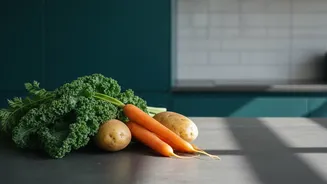
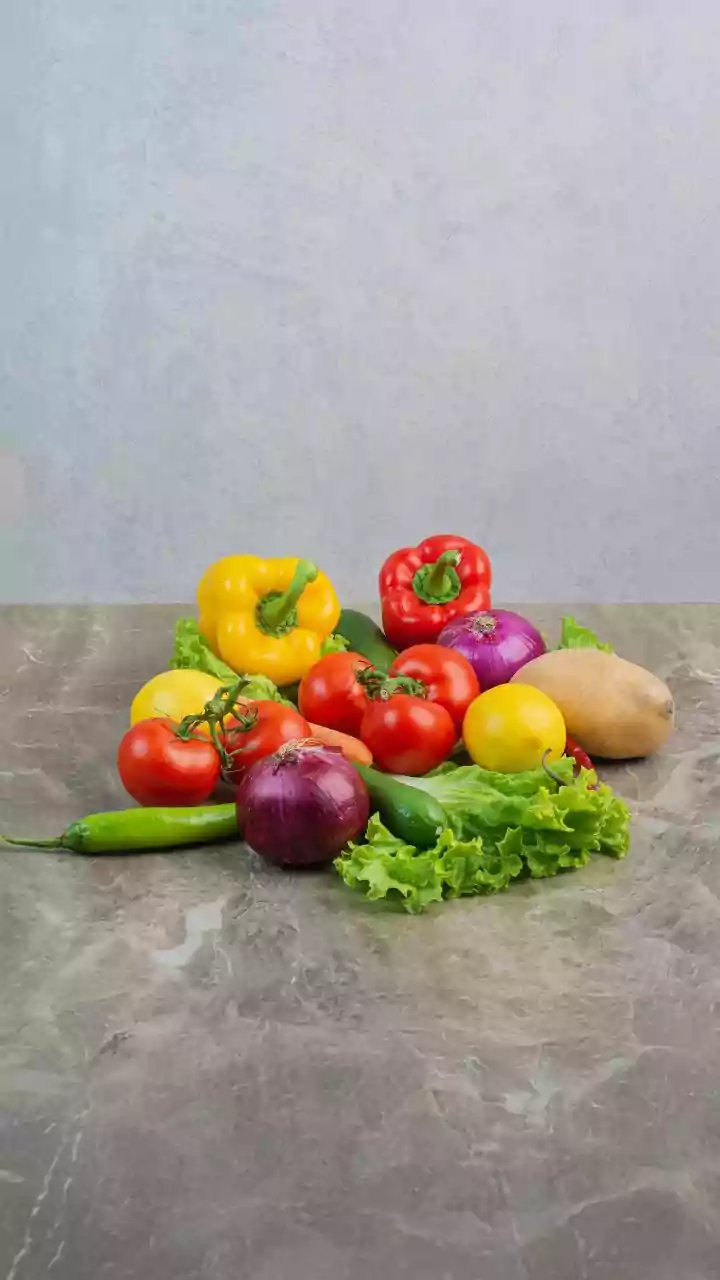
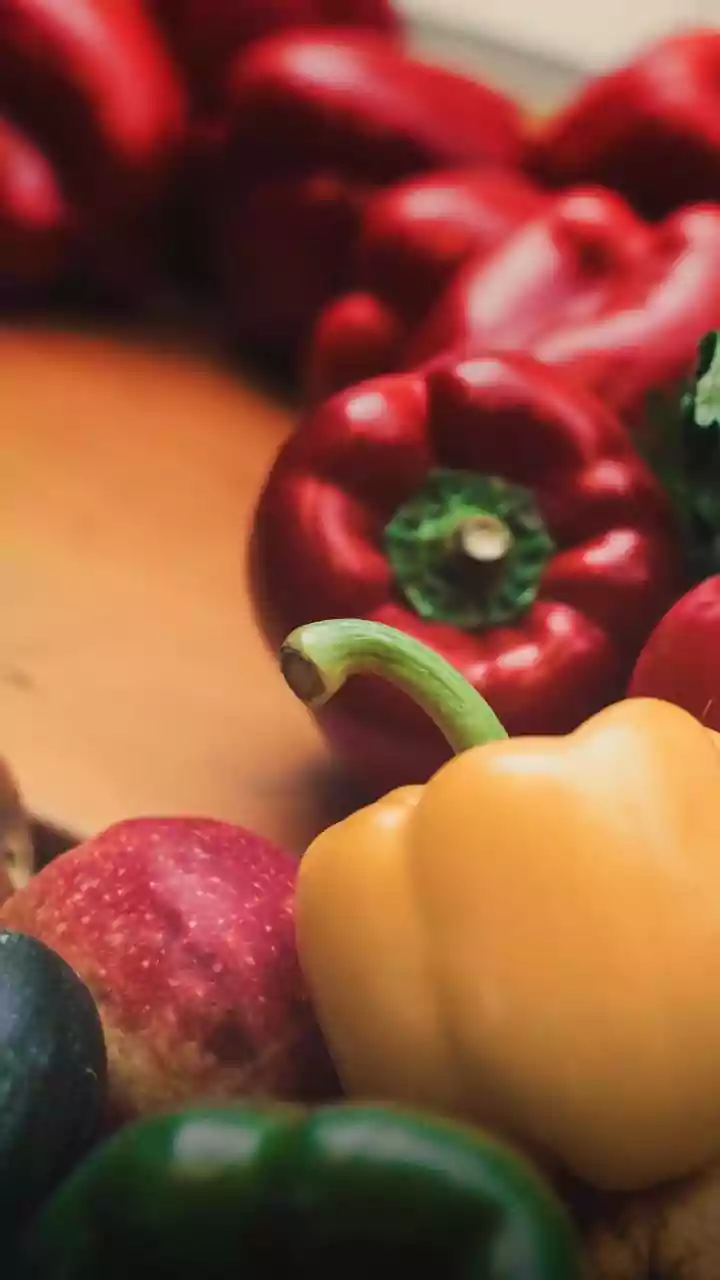
Adopting a meal-first approach can transform your shopping habits and drastically cut down on waste. Instead of wandering the aisles, start in the kitchen with a plan. Map out your meals for the next few days, checking what you already have before making a list. This simple step prevents you from buying duplicate items or things you won't use. When you do shop, prioritize fresh, local produce that you can buy in smaller quantities more frequently. This not only supports local farmers but also reduces the need for extensive refrigeration and the risk of spoilage. Organize your pantry and fridge using the ‘First In, First Out’ (FIFO) method, placing older items at the front so you remember to use them first. This conscious approach ensures everything you buy has a purpose.
Embrace the 'Use-It-Up' Mentality
A key part of maximising food value is learning to see potential in what you already have. Leftovers and scraps aren't waste; they're ingredients for the next meal. This has long been a tradition in Indian regional cooking. Leftover dal can be kneaded into flour to make nutritious parathas. Cooked vegetables can be mashed and mixed with besan to create delicious cutlets or fritters. Even vegetable peels and stems can be put to good use. Onion peels, carrot tops, and cauliflower stems can be simmered to create a flavourful vegetable stock for soups and dals. Stale rotis can be torn and stir-fried with spices for a quick upma. Embracing this creative, resourceful mindset turns waste reduction into a rewarding and delicious challenge.