





The Digital Domino Effect
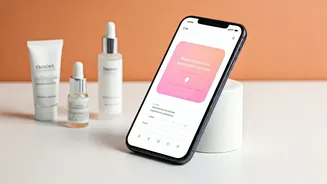
The single biggest driver of this shift is the smartphone. With increased digital penetration, platforms like Instagram and YouTube have become the new beauty counters for young Indians everywhere. [15] Social media is the top channel for shoppers in Tier-2
and Tier-3 cities to find new products, with 68% of users discovering items this way. [4] A wave of beauty influencers and creators, many from non-metro regions themselves, are shaping trends and building trust. [4, 16] They unbox products, demonstrate multi-step routines, and decode complex ingredients like niacinamide and salicylic acid for a digitally-savvy audience that is eager to learn and experiment. [17] This has transformed beauty from an occasional indulgence into a daily wellness ritual. [7]
E-commerce Delivers on Aspirations
Aspiration without access is just a dream, but e-commerce has made it a reality. Platforms like Flipkart, Nykaa, and Amazon have created a logistical backbone that reaches almost every pin code. [21] Recent data from Flipkart's Glam Up Fest 2026 revealed that two out of every three beauty searches on the platform now come from non-metro markets. [7, 10] Cities like Cuttack, Gorakhpur, Kottayam, and Sangli are showing a growing appetite for advanced skincare and global trends. [5, 6] This direct channel has enabled a paradigm shift where young consumers in smaller towns have the same access to premium and ingredient-focused products as their metro counterparts, effectively democratising the market. [6]
The Rise of D2C Disruptors
Direct-to-Consumer (D2C) brands have been instrumental in this change. By cutting out the middleman, brands like SUGAR Cosmetics and Mamaearth have been able to offer innovative and affordable products tailored to Indian consumers. [3, 14] Many of these brands were surprised by the demand from outside major cities. For instance, over 60% of SUGAR Cosmetics' revenue in recent years has come from Tier-2 and Tier-3 towns. [3, 14] These brands speak the language of Gen Z, focusing on authenticity and outcome-focused products rather than just legacy names. [13] Their success has even prompted luxury and international brands to expand their physical and digital footprints into cities like Lucknow, Indore, and Jaipur. [11]
Gen Z's Spending Power
This trend isn't just about availability; it's also about economics and a new consumer mindset. Gen Z, a demographic that accounts for a huge portion of consumer spending, is driving the beauty category's growth. [12] On Flipkart, for example, they power nearly 60% of all beauty purchases. [5, 8] This generation is more informed, trend-conscious, and views skincare as a form of self-care and personal expression. [7, 17] This attitudinal shift, combined with rising disposable incomes in non-metro areas, has created a fertile ground for the beauty market, which is predicted to reach USD 39 billion by 2030 in India. [6, 15]