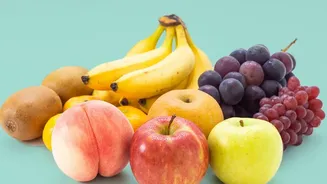




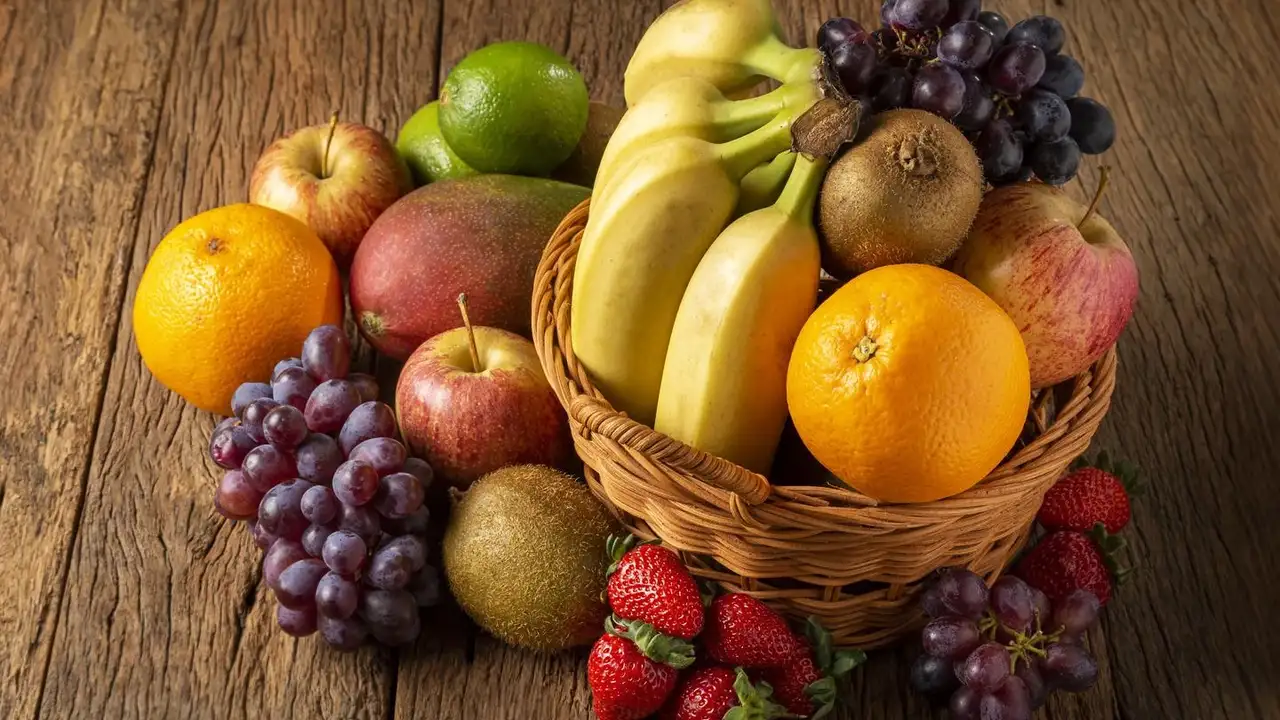

Building healthier eating habits often feels like a monumental task, but what if the secret was starting small? Embracing a simple, daily ritual of eating seasonal fruit can be a powerful catalyst for long-term, positive change in your diet.
The Power of Seasonal Produce
Choosing fruits
that are in season is one of the smartest decisions for your health and palate. Seasonal produce is typically harvested at its peak, meaning it is more flavorful and nutrient-dense. Fruits that ripen naturally on the plant contain higher levels of vitamins, minerals, and antioxidants compared to those picked early and transported over long distances. For example, studies have shown that vitamin C content can be significantly higher in produce grown in its proper season. Eating with the seasons also introduces variety into your diet throughout the year, which is crucial for good gut health and reducing the risk of chronic diseases. This natural rotation ensures your body receives a wider array of essential nutrients.
The Psychology of a Single Habit
The journey to healthier eating isn't about a complete overhaul overnight. Lasting change is built on small, consistent actions that become automatic over time. Psychologists refer to this as a habit loop: a cue triggers a routine, which leads to a reward. Committing to eating one piece of fruit daily is a perfect example of a 'keystone habit'—a small change that can ripple into other positive behaviours. This single, achievable goal helps build momentum and confidence. Instead of a vague goal like 'eat healthier', the specific action 'I will eat a banana with my breakfast' is easier to execute and track, making it more likely to stick. This simple success can reframe your mindset, making you feel more capable of tackling bigger dietary improvements.
From Daily Act to Lifelong Routine
A daily fruit habit does more than just add vitamins to your day; it retrains your brain. Each time you reach for an apple instead of a processed snack, you reinforce a healthier choice. This consistent behaviour starts to feel normal, even effortless. Fruits are rich in fibre and water, which help you feel full and satisfied, potentially reducing cravings for higher-calorie, less nutritious foods. This can naturally lead to better weight management and a lower risk of conditions like heart disease and type 2 diabetes. Over time, what started as a conscious effort becomes an ingrained part of your identity—you become 'a person who eats fruit every day'. This identity-based habit is far more powerful and sustainable than a temporary diet.
Practical Tips for Success
Making fruit an easy and obvious choice is key to consistency. One of the most effective strategies is to keep a bowl of fresh, washed fruit on your counter. Visual cues are powerful triggers for action. You can also integrate fruit into meals you already enjoy. Add sliced bananas or berries to your morning cereal or yogurt, or blend them into a smoothie. Prepare fruit ahead of time by chopping it up and storing it in the fridge for a quick, grab-and-go snack. Another simple trick is to add one fruit to every meal, which helps ensure you meet your daily intake goals. By removing friction and making the healthy choice the convenient choice, you set yourself up for longterm success.