





What Exactly Is Deep Storage?
Deep storage isn't about renting a separate warehouse. It simply refers to the designated spots in your own home for items you don't use daily or even weekly. Think of those hard-to-reach places: the loft or attic space, the top shelves of wardrobes,
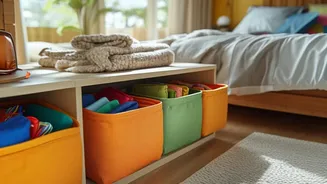
or the space under your beds. These areas are perfect for stashing belongings that are essential, but not for today. The goal is to move infrequently used items out of your prime, easy-access cupboards and drawers, freeing them up for the things you reach for every day. By strategically using these overlooked spaces, you create a system that separates the 'now' from the 'later', drastically reducing everyday clutter.
Free Up Space, Free Up Your Mind
The primary benefit of a deep storage system is creating more functional living space. When your home isn't cluttered with off-season items, it feels larger, calmer, and is easier to clean. But the advantages go beyond aesthetics. It protects your belongings from dust and damage when packed correctly, ensuring your expensive winter coats or delicate Diwali diyas are in perfect condition next year. It also saves you money and stress; knowing exactly where your backup supplies or festive lights are prevents you from re-buying things you already own. A well-organised home reduces the mental load of searching for items, bringing a sense of order and efficiency to your daily life.
Ideal Candidates for Deep Storage
Not sure what should go into deep storage? Start by sorting your items by category, not by room. This helps you see how much you truly own. The best items for long-term storage are things used cyclically or infrequently. Seasonal clothing is a major one, including heavy winter jackets, boots, and shawls. Festive and holiday decorations, such as for Diwali, Christmas, or other celebrations, are perfect candidates. Other items include occasional-use kitchen appliances (like that idli maker or pasta machine), guest bedding and linens, camping gear, and bulk-bought household supplies like extra soaps or cleaning products. Even memorabilia you want to keep but don't look at daily can be safely stored.
Master the Art of Packing
How you store your items is as important as where you store them. Always clean and thoroughly dry everything before packing to prevent mould, mildew, and pests. Invest in good quality containers. Clear, stackable plastic bins with secure lids are often better than cardboard boxes, as they protect against dust and moisture and let you see the contents at a glance. For bulky textiles like quilts or coats, vacuum-sealed bags are a game-changer, compressing them to save a significant amount of space. Avoid storing items in plastic bags long-term, as they can trap moisture. For particularly humid areas, consider adding silica gel packets or cedar blocks to absorb moisture and deter insects.
The Power of Labels and a Simple Inventory
Out of sight shouldn't mean out of mind. The final, crucial step is labelling everything. Be specific! A label that says “Winter Wear” is good, but one that says “Men's Winter Coats & Sweaters” is better. Note the contents clearly on at least two sides of each box. For an even better system, create a simple inventory. This doesn't have to be complicated; a note on your phone or a small notebook will do. List what's in each box and where you've stored it (e.g., “Box 3: Diwali lights and diyas - in loft”). This simple habit takes minutes but saves hours of searching later and ensures you remember what you have, preventing unnecessary clutter from building up again.