






An Experience Rooted in Nature
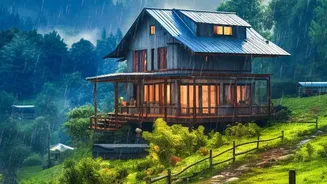
Imagine waking up not to an alarm, but to the sound of birdsong filtering through bamboo walls, with misty mountain views unfolding from your private balcony. This is the core appeal of a treehouse stay in Wayanad. Unlike conventional hotels that often
create a barrier between guests and the environment, these structures are designed for immersion. They place you directly into the landscape, encouraging a connection with nature that is both immediate and profound. This experience taps into a growing desire among modern travellers to escape urban chaos and find tranquility. It’s less about a checklist of sights and more about the simple, restorative power of being surrounded by the forest, from the fragrance of spice plantations to the rustle of ancient trees.
The Blueprint of Sustainability
The eco-friendly credentials of these stays start with their primary building block: bamboo. As one of the world's most renewable resources, bamboo grows rapidly and, when sourced locally, significantly reduces the carbon footprint associated with construction. Many resorts in Wayanad build their treehouses using indigenous techniques and materials like coir, hay straw, and reclaimed wood, often avoiding the use of nails to minimize harm to the host trees. This philosophy extends to their operations. Sustainability is often a quiet practice, visible in the thoughtful placement of structures to avoid clearing forests, the use of solar panels for power, and efficient water management systems. Some establishments even utilize on-site biogas plants that convert kitchen waste into cooking fuel, showcasing a circular approach to resource management. These practices demonstrate a model of tourism that respects and preserves the very environment that draws visitors in the first place.
Empowering Local Communities
The growth of bamboo-centric tourism in Wayanad is not just an environmental success story; it's a socio-economic one. Projects like Uravu, a non-profit organization in Thrikkaipetta village, have been pivotal in this movement. Uravu focuses on creating a sustainable local economy by promoting bamboo cultivation, training local artisans, and developing community-based tourism ventures. By involving villagers in the construction and design of eco-lodges, these initiatives ensure that tourism revenue flows directly into the local community. This model creates jobs, revives traditional craftsmanship, and gives local people a stake in preserving their natural and cultural heritage. When guests stay in these treehouses, they are often served meals made from locally sourced, organic produce and may be offered activities like cooking classes or guided treks led by community members, further deepening the economic impact. This approach fosters a sense of ownership and ensures that tourism development benefits the many, not just a few.
A Model for India's Green Future
Wayanad’s success with eco-friendly stays has solidified its reputation as a premier destination for responsible travellers, attracting a significant number of visitors annually. The treehouse model serves as a powerful example of how tourism can be both profitable and sustainable. It proves that luxury and comfort don't have to come at the environment's expense. However, this growth is not without challenges. The increasing popularity brings risks of 'greenwashing'—where sustainability is used as a marketing gimmick rather than a genuine practice—and the potential for environmental strain if development is not managed carefully. Despite these concerns, the Wayanad treehouse remains a potent symbol. It shows a path forward for other tourism hotspots in India, demonstrating that by building with nature, empowering local communities, and offering authentic experiences, it's possible to create a travel industry that enriches both the visitor and the destination.