






Beyond the Waterline: A Narrow News Frame
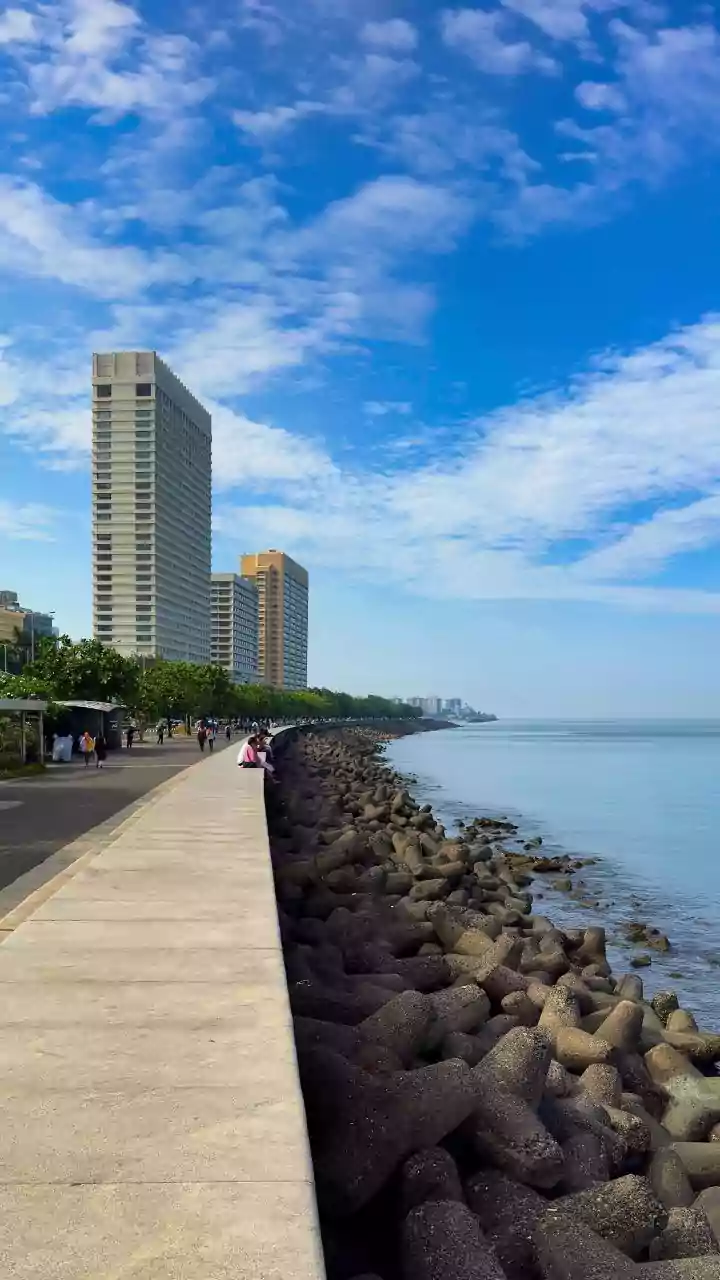
When heavy rains lash our cities, media coverage understandably gravitates towards the most visible consequences. We see cars submerged, residents wading through knee-deep water, and hear official statements on drainage system failures. This focus, while
important, creates an incomplete picture of the monsoon's true impact. The story that is consistently under-told is the public health emergency that quietly unfolds in the aftermath. The combination of heavy downpours, waterlogging, and high humidity creates a fertile breeding ground for a host of pathogens and disease vectors. While we are busy navigating the logistical chaos, a significant portion of the population, especially the urban poor and children, becomes vulnerable to a spectrum of illnesses that rarely make the headlines.
The Invisible Threat in Contaminated Water
Waterlogging does more than just disrupt traffic; it dangerously contaminates our environment. Overflowing drains mix with sewage and seep into drinking water sources, unleashing a wave of water-borne diseases. Conditions like cholera, typhoid, gastroenteritis, and leptospirosis see a sharp spike. Cholera, caused by bacteria in contaminated water, can lead to severe dehydration and is particularly dangerous if not treated quickly. Typhoid, another bacterial infection spread through poor sanitation, presents with high fever and headaches. Leptospirosis is a particular menace in flooded cities, as the bacteria, often spread through the urine of infected animals like rats, enters the body through cuts or contact with contaminated water. Its symptoms, including high fever and severe muscle pain, can be mistaken for other fevers, making timely diagnosis critical.
The Buzzing Danger from Stagnant Pools
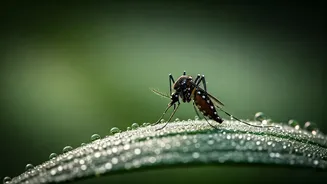
The pools of stagnant water left behind by the rains, from potholes to discarded containers, become ideal breeding grounds for mosquitoes. This leads to a surge in vector-borne diseases that are responsible for thousands of hospitalisations each year. India already bears a significant global burden of these illnesses, contributing to 34% of global dengue cases and 11% of global malaria cases. Dengue, spread by the Aedes mosquito which breeds in clean stagnant water, is a major concern, causing high fever, severe joint pain, and a potentially fatal drop in platelet count. Malaria, transmitted by the Anopheles mosquito, remains a persistent threat, marked by recurring fever and chills. Chikungunya, another viral disease spread by mosquitoes, can cause debilitating joint pain that lasts for months.
Air, Skin, and the Overlooked Ailments
The health risks are not limited to water and mosquitoes. The high humidity during the monsoon can exacerbate respiratory issues and lead to a rise in air-borne infections like the common cold and flu. Fungal skin infections also become more common due to the constant dampness. Beyond the purely physical, the relentless rain and its consequences can take a mental toll. Dealing with flooded homes, damaged property, and the constant threat of illness contributes to stress and anxiety that is rarely discussed. For many, especially in vulnerable communities, the monsoon is not just an inconvenience but a period of sustained hardship that affects their overall well-being.