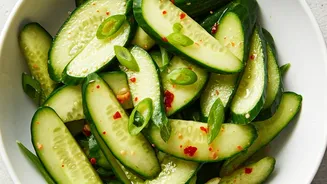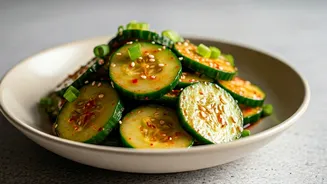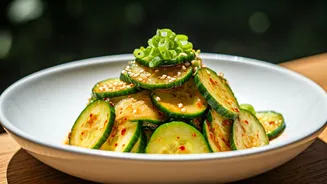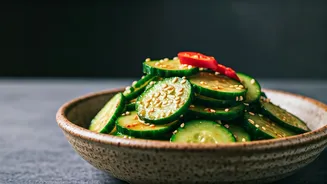







The Fiery Classic: Oi Muchim
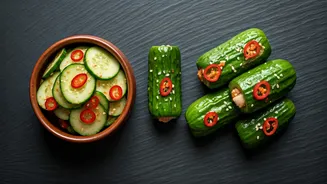
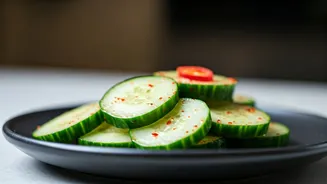
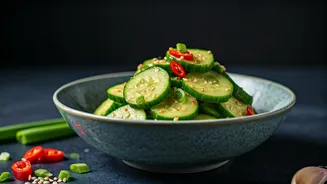
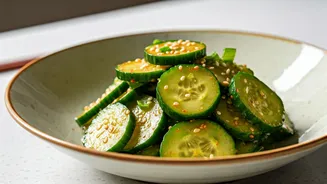
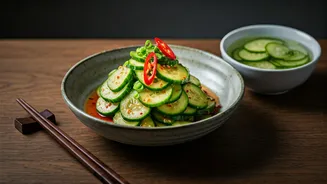
Oi Muchim, or spicy cucumber salad, is one of the most beloved and instantly recognisable Korean side dishes, known as banchan. This dish is the epitome of simplicity and flavour, often prepared just minutes before a meal. The preparation is straightforward:
cucumbers, often the smaller Persian or Kirby varieties, are sliced, lightly salted to draw out excess water, and then tossed in a vibrant dressing. The seasoning is a perfect balance of spicy, sweet, and savoury notes. Its key components include gochugaru (Korean red chili flakes) for heat and colour, fragrant toasted sesame oil, minced garlic, a touch of vinegar for brightness, and a little sugar to round out the flavours. The result is a dish that is simultaneously cooling and fiery, with a satisfying crunch that makes it an addictive accompaniment to everything from grilled meats to a simple bowl of rice.
The Stuffed Wonder: Oi Sobagi
Oi Sobagi is a type of fresh kimchi that showcases the cucumber in a more elaborate, yet still accessible, form. Instead of being sliced, the cucumbers are cut into quarters lengthwise, leaving one end intact to create a pocket. These are then brined in salt water, which not only seasons them but also helps maintain their crispness during fermentation. The real magic happens with the stuffing, a flavourful paste typically made from Korean chives (buchu), carrots, onions, garlic, ginger, and a generous amount of gochugaru. This mixture is carefully packed into the cucumber pockets. Oi Sobagi can be eaten fresh for a crisp, spicy experience, or allowed to ferment for a day or two to develop the deeper, tangier flavours characteristic of kimchi. It’s a rewarding dish that is perfect for summer when cucumbers are at their peak.
The Cool Contender: Oi Naengguk
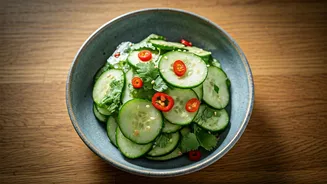
For a dish that delivers bold flavour without the spice, look no further than Oi Naengguk, a chilled cucumber soup that is incredibly refreshing on a hot day. This soup is a summertime staple in Korea, designed to restore a lagging appetite with its tangy and savoury profile. The preparation involves creating a cold broth by mixing water with soy sauce, vinegar, and a little sugar or Korean plum extract for sweetness. Thinly julienned cucumbers are then added to this chilled broth, often along with rehydrated seaweed (miyeok), which provides a subtle ocean flavour and a pleasing, slippery texture. The soup is served ice-cold, sometimes with actual ice cubes floating in the bowl, creating a truly invigorating dish. It's a testament to the versatility of cucumbers, proving they can be the star of a soup just as easily as a salad.
Tips for the Perfect Crunch
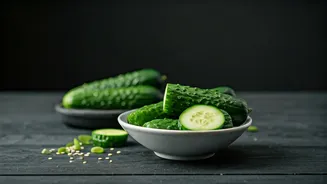
The secret to many successful Korean cucumber dishes lies in managing their high water content. For salads like Oi Muchim, the most crucial step is salting the sliced cucumbers and letting them sit for 15 to 20 minutes. This process, known as osmosis, draws out excess liquid, which prevents the final dish from becoming watery and diluted. After resting, the cucumbers are typically rinsed to remove the excess salt and gently squeezed or patted dry. This ensures they remain crisp and can better absorb the flavours of the dressing. Using the right type of cucumber also helps. Varieties with thin skins and fewer seeds, such as Korean, Persian, or Kirby cucumbers, are generally preferred as they tend to be crunchier and less watery to begin with.