




More Than Just a Meeting
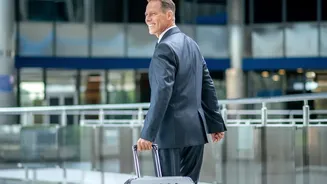
When you hear 'tourism,' you might picture heritage sites or beach holidays. But a powerful, and far more lucrative, segment is Meetings, Incentives, Conferences, and Exhibitions (MICE). This is not about sightseeing; it's about attracting thousands of
professionals for large-scale events. These visitors, often corporate delegates or industry experts, bring significant spending power and stay longer than average tourists. The successful hosting of the G20 Summit across various cities offered a glimpse into India's potential, showcasing its ability to manage complex, high-profile international gatherings. Now, with purpose-built infrastructure, India is ready to move from one-off summits to becoming a year-round destination for global business events.
The Economic Ripple Effect
The direct revenue from hosting a conference is just the beginning. The economic impact ripples through a city's entire economy. A large convention fills hotel rooms, restaurants, and local transport. It creates jobs not just in hospitality but also in event management, logistics, security, and technical production. World-class venues like Delhi's Bharat Mandapam and Yashobhoomi are projected to be major economic engines. India's MICE market, valued at over $3 billion in 2020, is expected to more than double with the help of these new facilities. Some estimates suggest infrastructure investments of this kind yield 2.5 times the economic benefits beyond their construction, facilitating annual business worth thousands of crores.
Building a Global City Brand
Hosting major international conventions does more for a city than just fill its coffers; it builds a global brand. When a city like Hyderabad, Bengaluru, or Delhi successfully hosts a major tech conference or a medical congress, it signals to the world that it is a leader in that field. This attracts further investment, talent, and business opportunities. These events serve as a live showcase for a city's assets—its infrastructure, dynamism, and quality of life. This enhanced profile makes cities more attractive to multinational corporations looking for their next base of operations and to skilled professionals looking for new opportunities. This turns cities from mere locations into active hubs of innovation and commerce.
Upgrading for the World Stage
The push to attract convention tourism acts as a powerful catalyst for urban infrastructure development. To host thousands of international visitors, cities need more than just a large hall. This necessitates upgrades to airports, local transportation networks, and hotel capacity. The development of state-of-the-art venues like Bharat Mandapam, which is part of a 123-acre complex, and Yashobhoomi, with a capacity for 11,000 delegates, drives improvements in the surrounding areas, stimulating local economic growth. This focus on creating a seamless experience for delegates benefits residents long after the event has concluded, leaving a legacy of improved public services and connectivity.
The Road Ahead
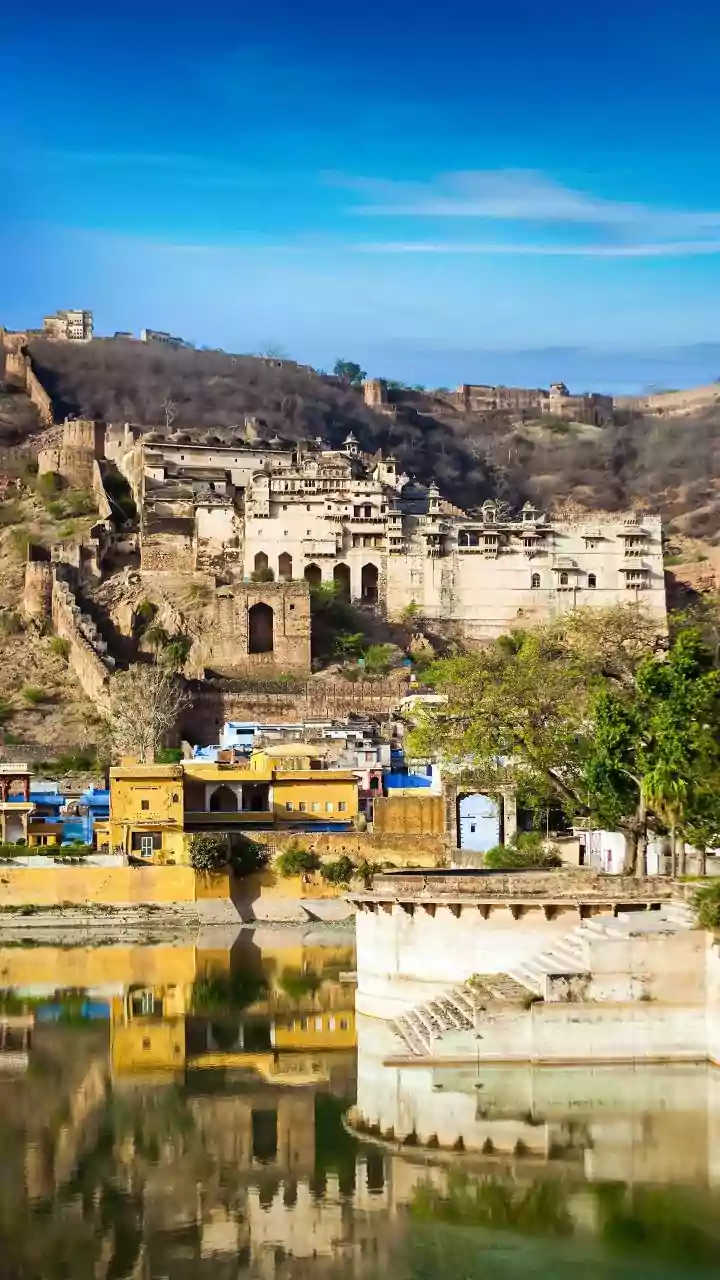
While the potential is immense, the path forward has its challenges. For India to truly compete with established MICE hubs like Singapore or Dubai, it needs to ensure consistent service standards, streamline regulatory processes, and enhance last-mile connectivity. The industry is projected to grow significantly in the coming years, with some experts forecasting 12-14% annual growth. The focus is now shifting to Tier-II cities like Jaipur, Kochi, and Varanasi, which are emerging as attractive, cost-effective alternatives with unique cultural appeal. By creating city-level convention bureaus to professionally bid for and market events, India can better capitalise on its new infrastructure and solidify its position on the world's MICE map.