






Let Air and Light In
The number one rule for a fresh-smelling monsoon home is good ventilation. [8, 16] Trapped humid air is the primary cause of musty odours and mould growth. [4, 14] Make it a habit to open windows and doors for at least 15-30 minutes a day, especially
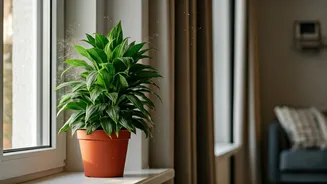
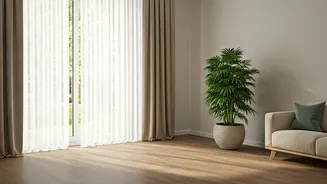
during dry spells or when the rain is light. [11] Creating cross-ventilation by opening windows on opposite sides of the house is highly effective for pushing stale, damp air out and bringing fresh air in. [8, 20] Also, whenever the sun makes an appearance, draw back the curtains and let the sunlight pour in. Sunlight is a natural disinfectant that helps kill mould spores and dry out damp surfaces. [8, 16]
Use Natural Dehumidifiers
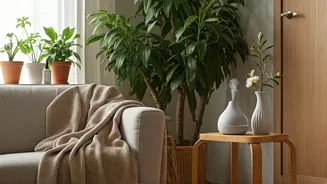
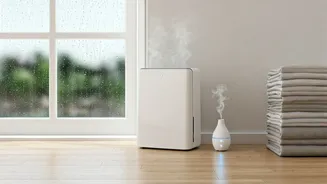
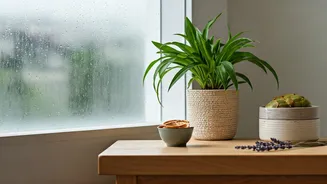
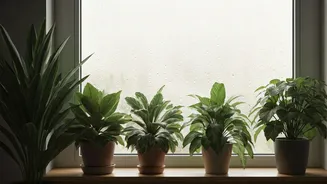
You don't need an expensive machine to reduce moisture in the air. Many everyday household items are excellent natural dehumidifiers. Placing bowls of rock salt or activated charcoal in damp corners, closets, and under sinks can work wonders. [2, 16] Both substances are highly porous and absorb excess moisture directly from the air. [2] Coffee grounds are another great option that not only absorb moisture but also combat damp odours. [5, 11] For a plant-based solution, consider bringing in peace lilies or snake plants, which are known to absorb airborne moisture. [2]
Keep Wardrobes and Closets Fresh
Wardrobes are notorious for developing musty smells during the monsoon, which can transfer to your clothes. To prevent this, ensure your cupboards have some airflow. Avoid packing clothes too tightly and consider leaving a small gap between your wardrobe and the wall. [10, 25] Placing moisture absorbers inside is a game-changer. Small muslin bags filled with camphor balls, dried neem leaves, or silica gel packets are very effective. [6, 25] Camphor is particularly popular as it absorbs moisture, repels insects, and leaves a clean, crisp fragrance. [6, 22] You can also line your shelves with newspaper, which helps absorb humidity. [25]
Focus on Fabrics and Furniture
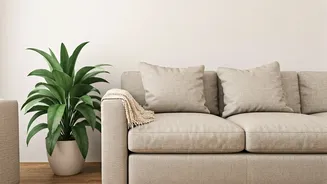
Soft furnishings like carpets, rugs, and heavy curtains are moisture magnets. [10] If possible, it's best to roll up and store thick carpets and rugs for the season. [7, 10] If you can't, regular vacuuming is essential. [19] For sofas and mattresses that start to feel damp or smell stale, you can sprinkle baking soda over the surface, let it sit for about 30 minutes, and then vacuum it off thoroughly. [4, 9] Baking soda is a fantastic natural odour eliminator. [4] For wooden furniture, avoid using wet cloths for cleaning; a dry wipe is better. Applying a coat of wax or varnish before the season begins can also protect it from swelling. [7, 21]
Manage Kitchen and Bathroom Moisture
Kitchens and bathrooms are hotspots for dampness and require special attention. Always use the exhaust fan during and after cooking or showering to expel moisture-laden air. [2, 14] In the kitchen, a simple trick to combat cooking smells that linger in the damp air is to boil a pot of water with lemon slices, cloves, and a cinnamon stick. [4] In the bathroom, keep surfaces as dry as possible by wiping them down. [4] Placing a bowl of coarse salt mixed with a few drops of an essential oil like tea tree or eucalyptus can help absorb humidity and prevent fungal growth. [5, 13]
Introduce Clean, Natural Fragrances
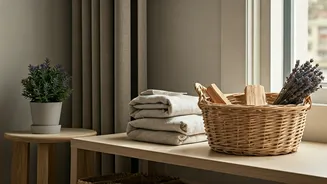
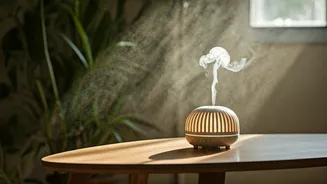
Instead of masking odours with heavy chemical air fresheners, which can be overwhelming in humid weather, opt for natural scents. [18] Essential oil diffusers are perfect for this. Scents like lemon, eucalyptus, lavender, and peppermint work well to create a fresh, clean atmosphere. [8, 13] Burning camphor for a short while and carrying it from room to room can purify the air and leave a pleasant scent. [13, 23] Adding a few drops of essential oil to your mop water is another easy way to infuse your home with a light, refreshing fragrance. [4, 5]