


Seeing Through the Cosmic Fog
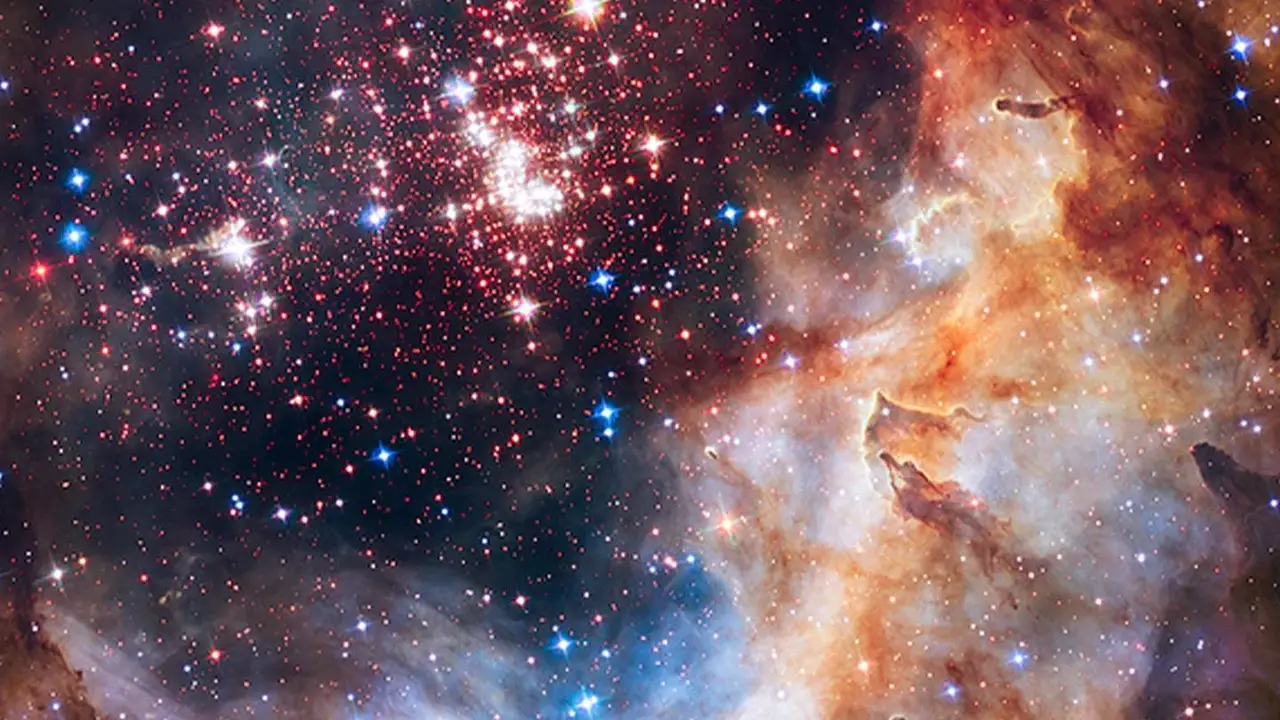
Imagine trying to watch a distant fireworks show through a thick fog. The brilliant bursts of light would be smeared, dimmed, or completely hidden. Astronomers face a similar challenge. Much of the universe, especially the chaotic and beautiful regions
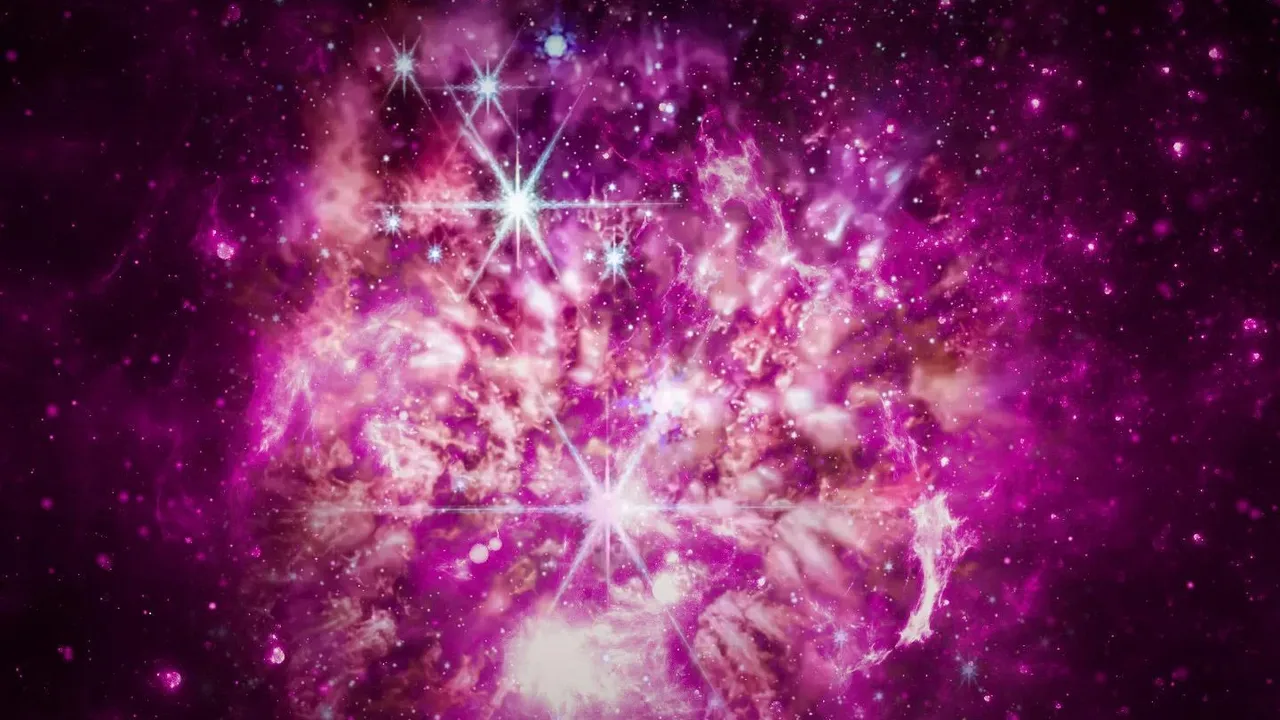
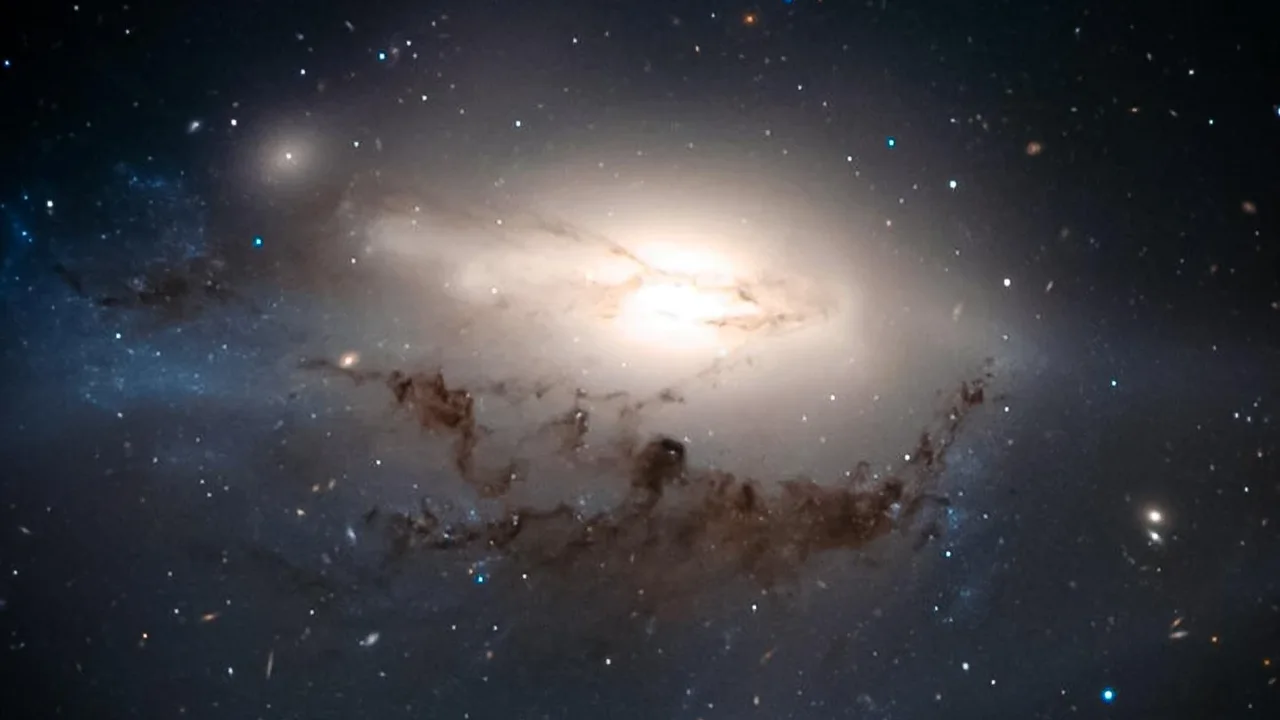
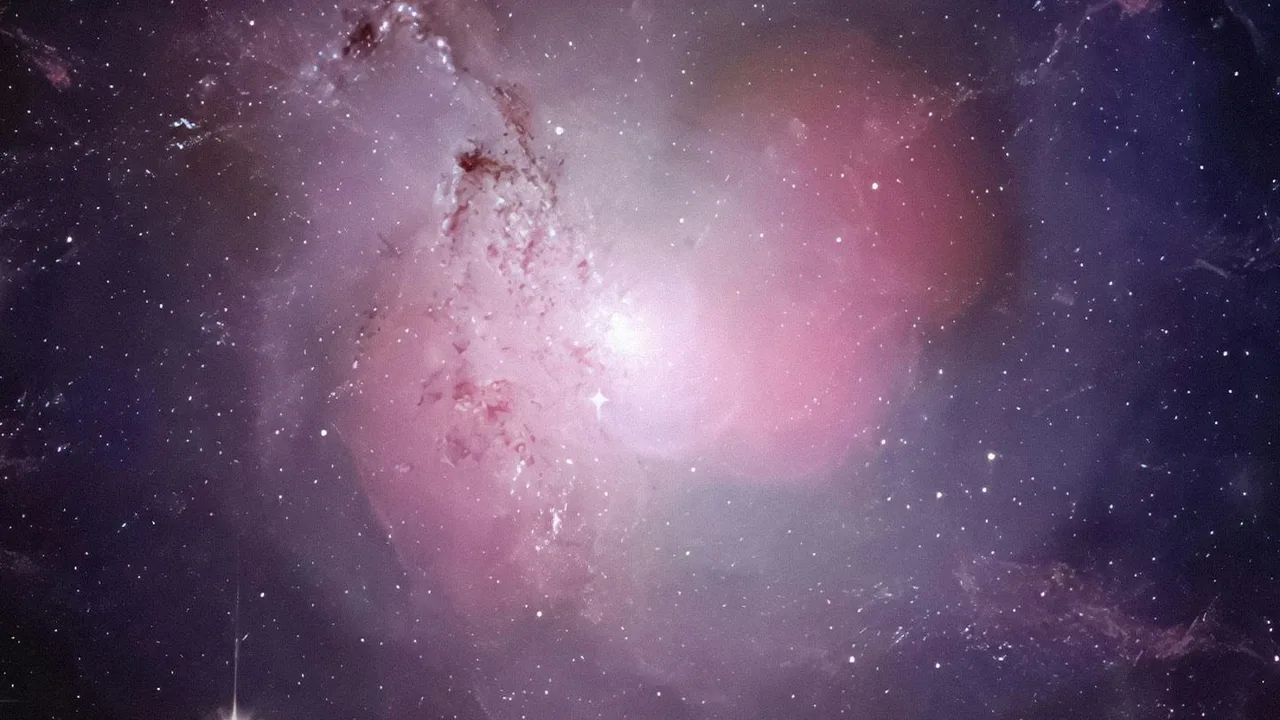
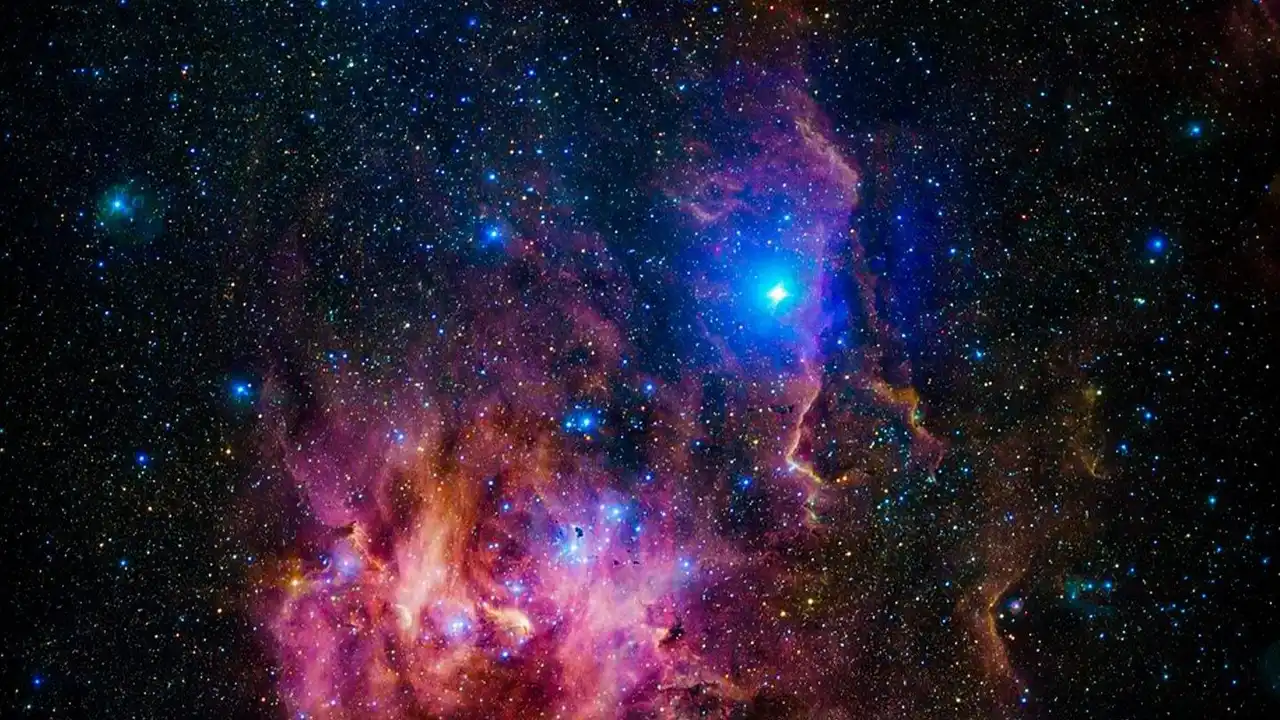
where new stars are born, is shrouded in vast clouds of cosmic gas and dust. These stellar nurseries are opaque to telescopes that see in visible light—the same light our eyes perceive. The short wavelengths of visible light are easily scattered and absorbed by the tiny dust particles, effectively drawing a curtain over some of the most dramatic events in the cosmos. This meant that for decades, our view of star formation was frustratingly incomplete, limited to what we could glimpse around the edges of these dusty clouds.
Infrared: The Universe's Secret Passageway
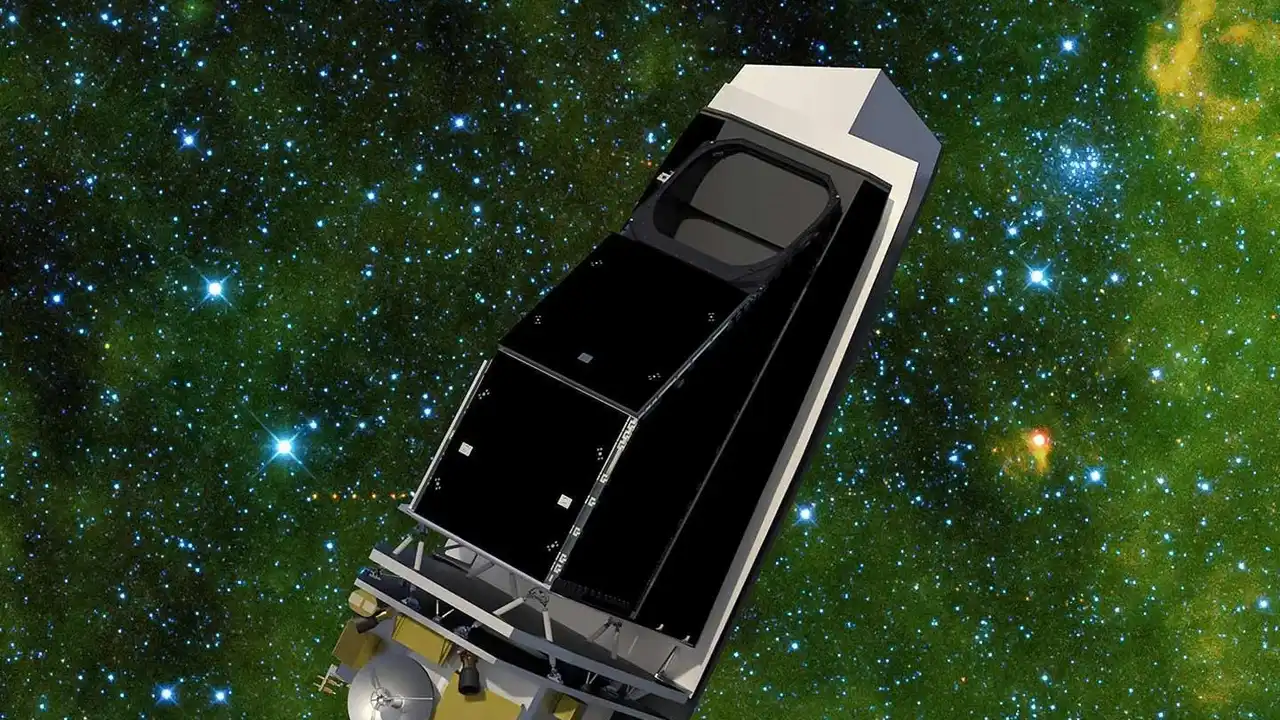
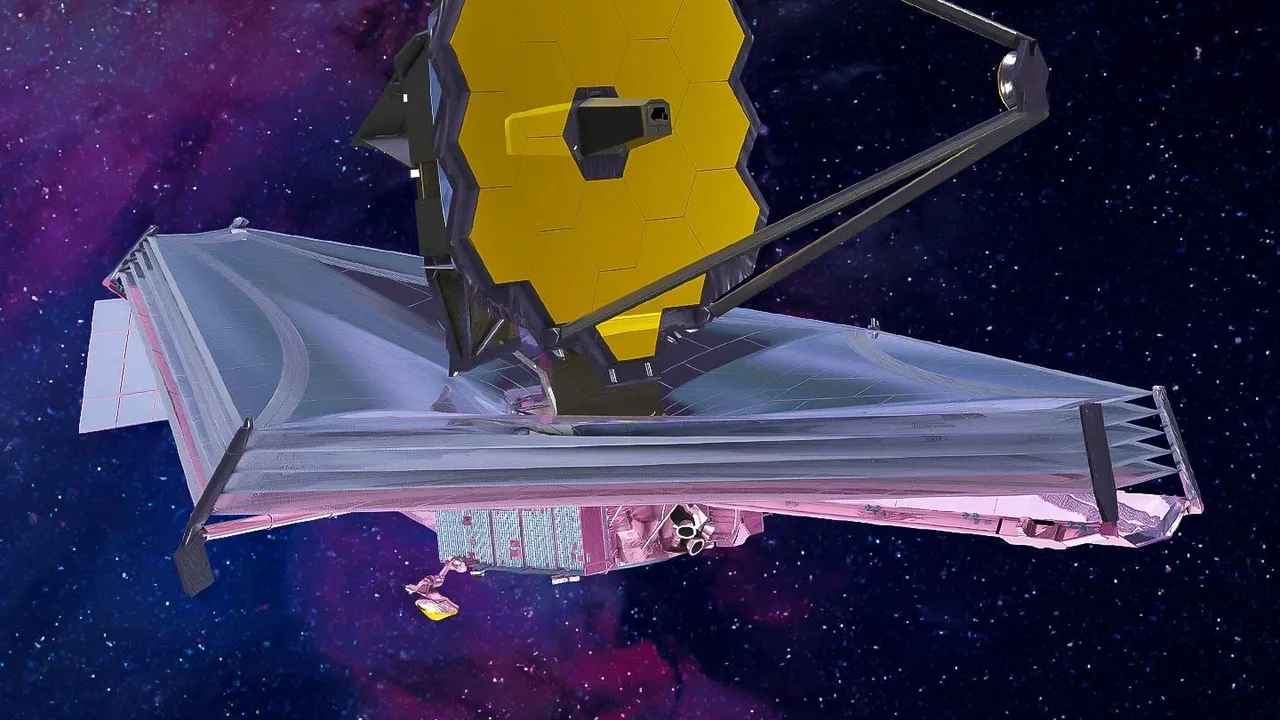
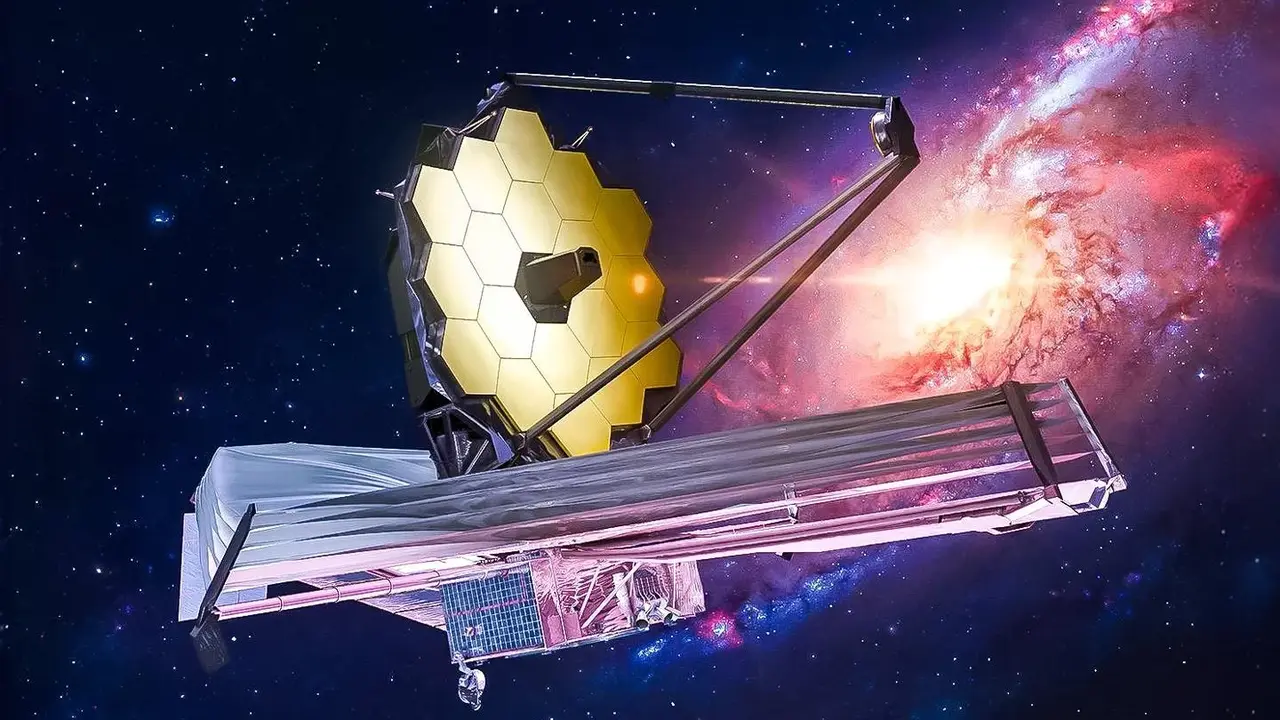
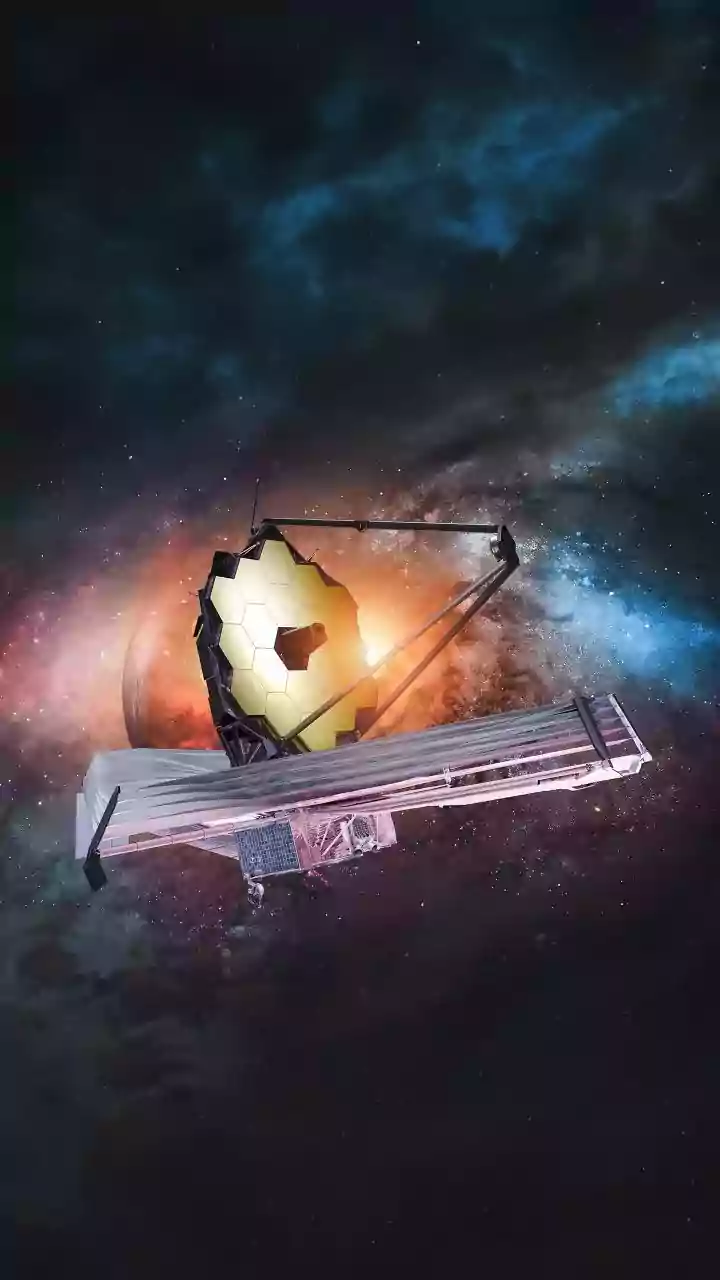
This is where infrared light changes everything. Infrared has longer wavelengths than visible light, giving it a remarkable ability to pass through cosmic dust clouds without being scattered. It’s the astronomical equivalent of having X-ray vision. By building telescopes with instruments sensitive to this light, like the James Webb Space Telescope (JWST), scientists can finally peer deep inside these stellar nurseries. What was once an opaque wall of dust now becomes a transparent window, revealing the protostars gathering mass, the jets of material they eject, and the complex chemistry of the clouds they form from. This technology allows us to witness the entire process of star and planet formation as it happens, not just the aftermath.
Stretching Light, Bending Time
Beyond just penetrating dust, infrared is crucial for another, more profound reason: it allows us to look back in time. Since the Big Bang, the universe has been expanding. As light from the most ancient stars and galaxies travels across billions of light-years to reach us, the very fabric of space it is moving through is stretching. This expansion stretches the wavelength of the light itself, a phenomenon known as cosmological redshift. Light that might have been emitted as ultraviolet or visible light from a galaxy 13 billion years ago gets stretched so much that by the time it reaches our telescopes, it has shifted into the infrared part of the spectrum. Therefore, to see the universe's earliest structures, you must look for infrared light. This makes telescopes like JWST not just cameras, but cosmic time machines.
The Power of the Deep Field
Unlocking these ancient secrets requires more than just an infrared lens; it demands patience. A 'deep field' is an astronomical image created by pointing a telescope at a single, seemingly empty patch of sky for an extended period—sometimes for days or even weeks. The goal is to collect every possible photon of faint, ancient light. The first Hubble Deep Field in 1995 revolutionized astronomy by revealing thousands of galaxies in a spot of sky the size of a grain of sand held at arm's length. With its superior infrared sensitivity, JWST has taken this concept to a new level. Its deep field images are the deepest, sharpest infrared views of the universe ever captured, showing faint structures in galaxies that formed less than a billion years after the Big Bang. These images are cosmic core samples, allowing us to study galaxy evolution across billions of years in a single frame.
Rewriting the First Chapters of a Cosmic Story
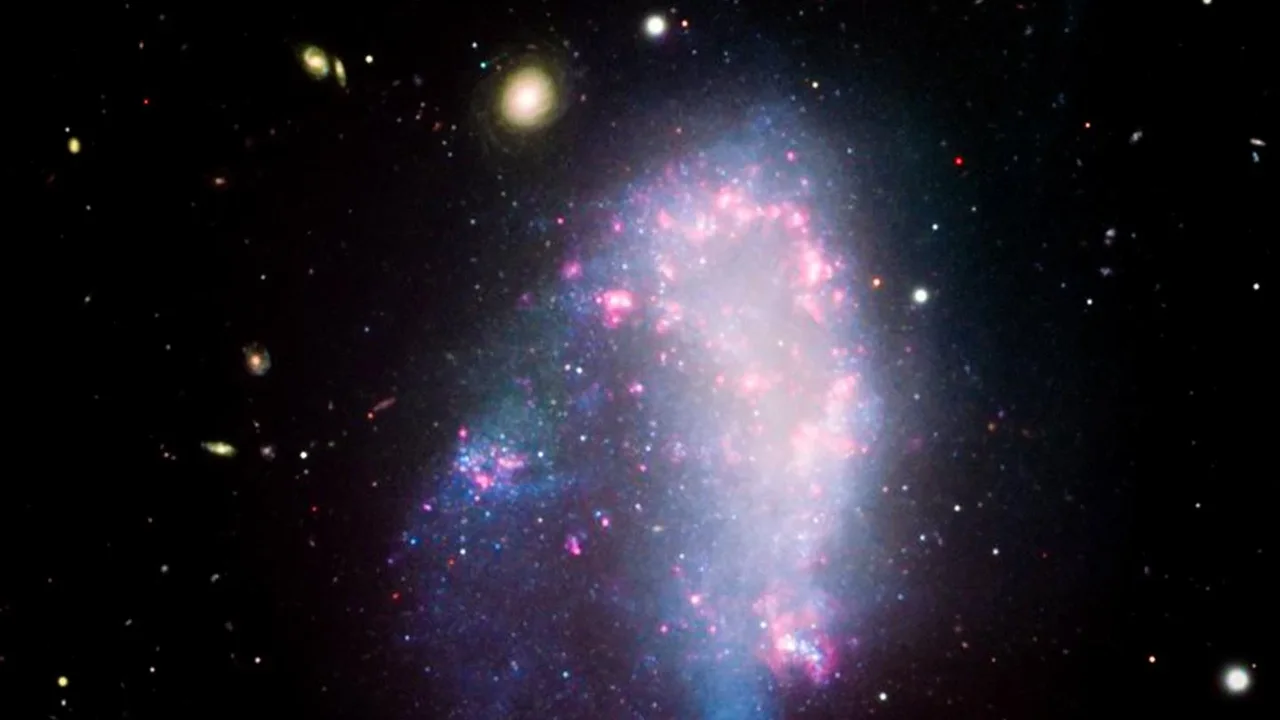
So, what are we learning? Infrared deep field photography is already transforming our understanding of the early universe. Scientists have confirmed that early galaxies grew "inside-out," with intense star formation occurring on their outskirts as they expanded. We've seen evidence of complex organic molecules and water ice in the coldest, darkest clouds where stars are just beginning to form—the very ingredients for planets and, perhaps, life. Furthermore, these observations are showing that the first galaxies were more massive, complex, and formed earlier than many theories predicted. By analyzing the chemical makeup of these ancient structures, we can piece together how the universe evolved from a simple state of hydrogen and helium into the rich, star-filled cosmos we see today.