





As seasons change, it's tempting to quickly tuck away your heavy woollens. But improper storage can lead to irreversible damage. Protecting your favourite sweaters from dampness and dust is key to ensuring they last for many winters to come.
Always Start with a Clean Slate
Before you
even think about storage containers, the most crucial first step is to ensure every woollen item is clean. Even if a sweater looks clean, invisible body oils, food particles, or dirt can attract pests like clothes moths and may set into permanent stains over time. Moths and their larvae are particularly drawn to these residues. Always wash or dry-clean your woollens according to their care labels before packing them away for the season. Hand washing with a gentle, wool-specific detergent in lukewarm water is often the best method. Be sure every item is completely dry before it's stored; even a small amount of moisture can lead to mildew and musty odours that are difficult to remove.
Why Dampness and Dust Are Enemies of Wool
Wool is a natural, active fibre that interacts with its environment. It is hygroscopic, meaning it can absorb a significant amount of moisture from the air—up to 30-35% of its own weight—without feeling wet. In a damp storage area, wool will absorb this excess moisture. This can cause the fibres to swell and then stretch, potentially misshaping the garment permanently. More importantly, it creates the perfect breeding ground for mould and mildew, which can stain and degrade the fabric. Dust, on the other hand, is not just inert dirt. It can contain organic matter that attracts pests and its fine particles can be abrasive, causing wear to the delicate wool fibres over time.
Choose Your Storage Spot Wisely
The ideal storage location is cool, dark, and dry. Avoid areas prone to significant temperature and humidity fluctuations, such as attics, basements, and garages. Heat can cause wool fibres to become brittle, while direct sunlight can lead to fading. A bedroom closet shelf or the space under a bed are often much better choices. Good air circulation in the chosen area is also beneficial to prevent any stuffiness or moisture build-up.
The Right Container Is Key
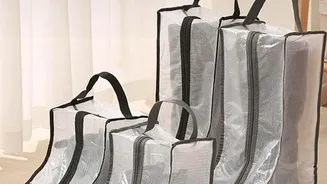
While plastic containers seem like a logical choice to keep out dust and pests, they can be problematic for long-term wool storage. Airtight plastic bins can trap any residual moisture, leading to mildew. A better option is a breathable container. Look for storage bags or bins made from cotton or linen. These materials allow air to circulate, which helps regulate humidity and keeps the wool fibres healthy, while still offering protection from dust and insects. If you must use plastic, ensure garments are bone-dry and consider adding silica gel packets to absorb any potential moisture.
Fold, Don't Hang
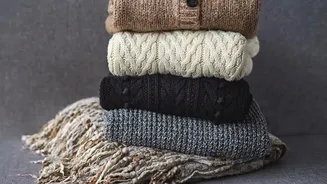
A cardinal rule for woollen care is to always fold your knitwear. Hanging wool sweaters, especially heavy ones, will cause them to stretch under their own weight. Over a season in storage, this can lead to distorted shoulders, a sagging neckline, and a garment that has lost its original shape. Fold your sweaters neatly and stack them. To prevent deep creases, you can wrap them in acid free tissue paper. Jackets and more structured wool coats, however, should be hung on wide, shaped hangers to support their form.
Ward Off Unwanted Guests Naturally
Clothes moths are a notorious threat to stored woollens, as their larvae feed on the natural protein fibres. Instead of using chemical mothballs, which contain harsh substances and leave a strong odour, opt for natural repellents. Cedar blocks or cedar balls are a classic choice; moths dislike their woody scent. Sachets filled with dried lavender, mint, rosemary, or cloves are also effective and will leave your garments with a pleasant fragrance. For these natural repellents to work, they need to be in a sealed environment like a drawer or storage box, and it's a good idea to check on your stored items periodically.