






What is the PM POSHAN Scheme?
The Pradhan Mantri Poshan Shakti Nirman (PM POSHAN) scheme, previously known as the Mid-Day Meal Scheme, is one of the world's largest school feeding programs. Its main goals are to fight hunger, improve the nutritional status of children, and boost school enrolment
and attendance. The program provides one hot cooked meal every school day to over 118 million children in government and government-aided schools across India, from pre-primary classes up to Class 8.
Understanding the New Guidelines
The updated rules do not radically change the core nutritional targets, but they reinforce flexibility. The scheme mandates specific calorie and protein goals: 450 calories and 12 grams of protein for primary school students, and 700 calories and 20 grams of protein for upper primary students. The key development is the increased emphasis for states and Union Territories to design their own menus. They are encouraged to use ingredients that are locally grown and culturally accepted, ensuring meals are both nutritious and appealing to children.
Why the Focus on Local Replacements?
The push for local replacements serves multiple purposes. It aims to enhance dietary diversity, moving away from a one-size-fits-all menu. By procuring locally, the scheme supports regional agriculture and ensures the freshness of ingredients. This approach also makes the supply chain more resilient and can be more cost-effective. Furthermore, it allows for the inclusion of traditional foods that are often packed with nutrients and are well-suited to local tastes, increasing the chances that children will enjoy and finish their meals.
The Rise of Millets and Other Alternatives
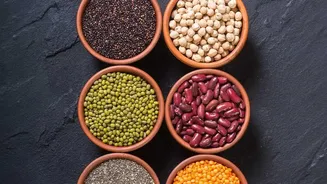
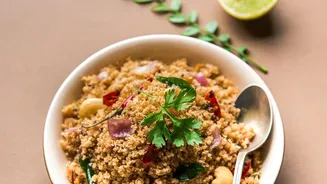
Millets, or 'Shree Anna', are at the forefront of this conversation. These hardy grains, such as jowar, bajra, and ragi, are highly nutritious, rich in protein, fibre, and micronutrients. They are also better for the environment, requiring less water and fewer pesticides to grow compared to rice and wheat. States are being encouraged to introduce millets into school meals, particularly where they are a traditional part of the diet. Other potential replacements include incorporating more diverse, seasonal vegetables from School Nutrition Gardens, which are supported by the scheme, and using different protein sources based on availability, like varied pulses or eggs where culturally accepted.
The Nutritional Balancing Act
Ensuring that replacements are truly "equivalent" is a significant challenge. The focus is not just on swapping one ingredient for another, but on maintaining the overall nutritional profile of the meal. This requires careful planning to ensure the prescribed levels of calories, proteins, and micronutrients are consistently met. Nutritionists and state-level committees play a crucial role in developing menus that are balanced and diverse. The guidelines also allow states to provide supplementary items like milk or fruit to further boost nutritional value, often with state funds or through the scheme's flexible component.
Challenges in Implementation
Despite the positive intent, implementation faces hurdles. Consistent procurement of diverse, high-quality local ingredients can be a logistical challenge, especially in remote areas. There are also concerns about inadequate funding per child, which can make it difficult to afford a varied and nutritious menu. Training for cooks on how to prepare new or unfamiliar ingredients like millets is essential for taste and acceptance. Strong monitoring systems are needed to ensure that schools are adhering to the flexible yet nutritionally-sound menus and not cutting corners.