

The Monsoon Health Challenge
The arrival of the monsoon is a cherished moment across India. However, the increased humidity and water-borne pathogens also mark a period when our bodies are more susceptible to infections. The digestive system, or 'agni' as per Ayurveda, is believed
to weaken, making us vulnerable to common ailments like the cold, flu, and stomach issues. This seasonal vulnerability has led to a renewed focus on a simple, age-old question: how can we best support our body's defences? The answer, it seems, is found not in a medicine cabinet, but in our local vegetable markets.
A Return to Traditional Wisdom
The trend of embracing monsoon superfoods is more than just a passing fad; it's a conscious return to the principles of eating seasonally and locally. This philosophy is deeply embedded in Indian traditions, particularly Ayurveda, which has long advocated for diets that align with the seasons to maintain balance and health. In recent years, there's been a growing appreciation for this ancestral knowledge, spurred by a collective desire for natural and sustainable wellness solutions. People are rediscovering that the foods that grow during a particular season are often exactly what the body needs to cope with its environmental challenges.
Power-Up with Jamun
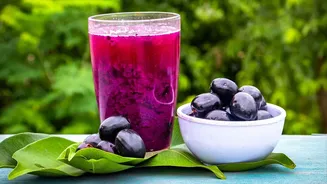
The deep purple Jamun, or black plum, is the quintessential monsoon fruit. Rich in Vitamin C and powerful antioxidants like anthocyanins, it's a natural immunity booster that helps the body fight off infections common during this time. Jamun is also celebrated for its digestive benefits, with a high fibre content that helps keep the gut healthy. Furthermore, it contains compounds like jamboline, which have been noted for their potential to help regulate blood sugar levels, making it a valuable addition to the seasonal diet.
Embrace Bitter Gourd (Karela)
Often overlooked due to its bitter taste, Karela is a powerhouse of nutrients especially beneficial during the monsoon. It's packed with Vitamin C and antioxidants that strengthen the immune system. Traditional wisdom and modern nutritionists alike praise its ability to aid digestion and support liver function, which can be sluggish during the humid months. Its antimicrobial properties are also believed to help purify the blood and prevent skin issues that can flare up during this season.
The Golden Duo: Turmeric and Ginger
Turmeric and ginger are staples in Indian kitchens, and their importance magnifies during the monsoon. Turmeric, with its active compound curcumin, is revered for its potent anti-inflammatory, antioxidant, and antibacterial properties. Ginger is a time-tested remedy for sore throats, digestive issues, and nausea. Together, they form a formidable duo against seasonal ailments. A warm cup of ginger-turmeric tea is a popular and comforting way to harness their benefits, helping to fight inflammation and support respiratory health.
Don't Forget Corn (Bhutta)
The sight of street vendors roasting corn is synonymous with the Indian monsoon. Beyond being a beloved snack, Bhutta is also incredibly nutritious. It is high in fibre, which aids digestion and prevents constipation—a common monsoon complaint. Corn is also a good source of antioxidants and B vitamins, which are important for energy and overall health. Whether boiled or roasted, this humble grain is a simple and delicious way to get essential nutrients.