








What is AI-Powered Interview Prep?
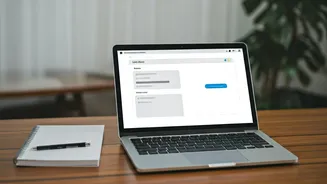
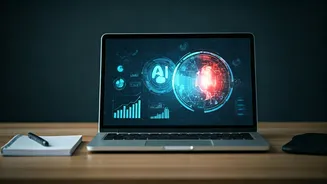
Imagine a mock interview, but instead of a friend or a mirror, you’re facing a sophisticated algorithm. AI interview preparation platforms are digital tools designed to simulate real job interviews and provide detailed feedback to help candidates improve.
By uploading a resume and a job description, these platforms generate tailored questions, ranging from technical skill assessments to common behavioural queries like “Tell me about a time you faced a challenge.” Candidates can then record their answers via video or audio, and the AI gets to work, analyzing not just what you say, but how you say it. This trend is rapidly moving from a niche tool to a mainstream resource for job seekers aiming to gain a competitive edge.
How Does the AI Coaching Work?
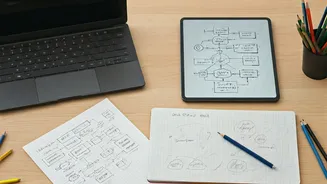
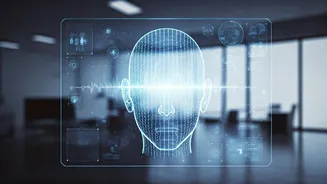
The technology behind these platforms is a blend of machine learning, natural language processing (NLP), and sometimes computer vision. When you answer a question, the AI transcribes your words and analyzes the content for relevance, clarity, and the use of specific keywords related to the job. Many tools are programmed to evaluate responses based on proven frameworks like the STAR method (Situation, Task, Action, Result) to help you structure your answers more effectively. Beyond the content, these systems also provide feedback on your delivery. They can analyze your speaking pace, use of filler words like “um” and “ah,” and the overall confidence in your tone. Some of the more advanced platforms even use computer vision to analyze non-verbal cues like eye contact, posture, and facial expressions, though the efficacy and potential for bias in this area are still debated.
The Advantages: A Personal, 24/7 Trainer
The primary benefit of using AI for interview prep is the ability to practice endlessly in a safe, judgment-free space. Unlike practicing with a human, an AI coach never gets tired and is available anytime you are, allowing for repetition that builds confidence. The feedback is instant and data-driven, highlighting specific areas for improvement that a human reviewer might miss. This is particularly useful for reducing interview anxiety and refining answers until they are concise and powerful. For candidates, especially those who may be non-native speakers or have social anxiety, it provides a low-pressure environment to level the playing field. It helps you get used to the format of virtual and automated interviews, which are increasingly used by companies in the initial screening stages.
Potential Pitfalls and How to Avoid Them
Despite their strengths, AI coaches are not without their limitations. A significant drawback is their lack of human nuance; an AI cannot “read the room” or understand context and rapport in the way a human interviewer can. Over-reliance on these tools could lead to rehearsed, robotic answers that lack authenticity. Furthermore, there are concerns about the potential for bias baked into the algorithms. If the AI was trained on a biased dataset, it could unfairly penalize certain speech patterns or cultural mannerisms. The key is to use these platforms as a tool, not a crutch. Focus on the feedback for structure and clarity, but don’t let it strip away your personality. Your goal is to sound prepared, not programmed.
The Future of Your First Impression
As companies increasingly use AI to screen candidates, job seekers are now using AI to prepare, creating a new technological dynamic in the hiring process. Many of the same technologies used to evaluate candidates in one-way video interviews are now being repurposed to help them practice. This trend signifies a shift from reactive preparation to proactive, data-driven practice. The most effective approach combines the strengths of both AI and human insight. Use AI tools to refine your core answers and build confidence, then practice with a mentor or career coach to work on human connection and conversational flow. By blending technology with human touch, you can ensure your first impression is both polished and authentic.