





The Hidden Costs of Plastic
For decades, plastic has been the default choice in our kitchens—durable, cheap, and seemingly harmless. However, growing awareness is shedding light on its downsides. When heated, plastic containers and utensils can leach chemicals and microplastics
into our food. Studies have linked these substances to a range of health concerns, including hormonal disruption and inflammation. Beyond personal health, the environmental toll of plastic, which takes centuries to decompose, has prompted many to seek out more sustainable options for their homes. This has created an opening for a material that has been part of Indian heritage for millennia: terracotta.
The Earthen Answer from Our Ancestors
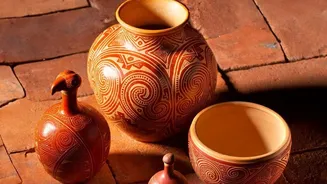
Terracotta, or baked earth, is not a new invention. Its use in India dates back thousands of years, with every region boasting its own unique style, from the iconic long-necked horses of Bishnupur to the painted pots of Khavda. Traditionally used for everything from storing water to slow-cooking festive meals, this humble material is now undergoing a major revival. Consumers are rediscovering what our ancestors knew all along: cooking and eating from earthen vessels offers a host of benefits that modern materials often cannot match.
A Recipe for Good Health
One of the most compelling reasons for terracotta's comeback is its health benefits. Clay is naturally alkaline, which can help neutralize the acidity in food, making it easier to digest and enhancing its natural sweetness. The porous nature of terracotta allows for slow and even cooking, which helps retain the nutrients and moisture in food, often requiring less oil. Unlike coated metal pans or plastic, pure, unglazed terracotta is free from synthetic chemicals, ensuring that no harmful substances leach into your meals. Earthen pots can even impart beneficial minerals like calcium, phosphorus, and magnesium to the food.
Not Your Grandmother’s Matka
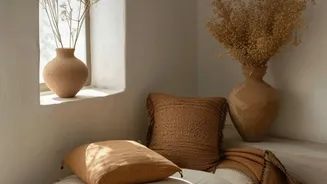
This is not just about bringing old pots back into the kitchen. The current trend is driven by a fusion of tradition and modern design. A new wave of Indian designers and startups are reimagining terracotta for the contemporary home. They are creating sleek, minimalist dinner sets, quirky coffee mugs, elegant water bottles, and even terracotta pizza platters. These products retain the earthy charm and health benefits of traditional pottery while sporting modern aesthetics that fit seamlessly into urban lifestyles. Brands like Mitticool, Country Clay, and Swadeshi Blessings are making handcrafted pottery accessible, combining age-old techniques with innovative designs.
Empowering Artisans, Preserving a Legacy
This growing demand for handcrafted pottery is breathing new life into a craft that was at risk of fading away. By choosing terracotta, consumers are not only making a healthy and eco-friendly choice but also supporting local artisan communities across the country, from Khurja in Uttar Pradesh to the villages of West Bengal and Rajasthan. Social initiatives and online platforms are connecting potters directly with the market, ensuring they receive fair prices for their skills and helping preserve a vital part of India's cultural heritage. This movement transforms a simple purchase into an act of cultural and economic support, allowing artisans to continue their craft with renewed pride and financial stability.