



Navigating Waterlogged Roads
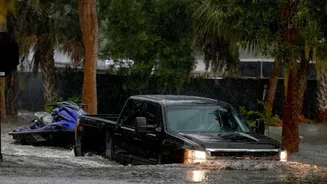
Waterlogging is one of the most common monsoon challenges, concealing dangers like open manholes and deep potholes. Before entering a flooded street, it's crucial to assess the water's depth. As a rule of thumb, avoid driving through water that is deeper
than the bottom of your car's doors. If you must proceed, do so slowly and steadily in a low gear, keeping the engine revs high to prevent water from entering the exhaust pipe. Try to stay in the middle of the road, where the water is often shallowest. Avoid stopping your vehicle in the middle of a waterlogged patch. If your car stalls, do not attempt to restart the engine, as this can cause severe damage. It is safer to abandon the vehicle and move to higher ground if the water is not moving swiftly.
The Threat of Landslides in Hilly Areas
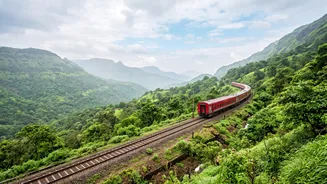
For those driving in or near hilly regions like the Himalayas or the Western Ghats, landslides are a grave and often sudden danger. Intense rainfall saturates soil on steep slopes, causing mud, rocks, and debris to collapse onto roads. Before any trip to a mountainous area during the monsoon, check weather advisories and local news for landslide warnings or road closures. While driving, be vigilant for warning signs such as cracks in the road, falling rocks, or trees leaning at odd angles. Human activities like improper slope cutting for roads often increase these risks. If you encounter a landslide or signs of an impending one, do not try to cross. The safest action is to turn back and find an alternative route or wait for authorities to clear the area.
The Danger of Hydroplaning
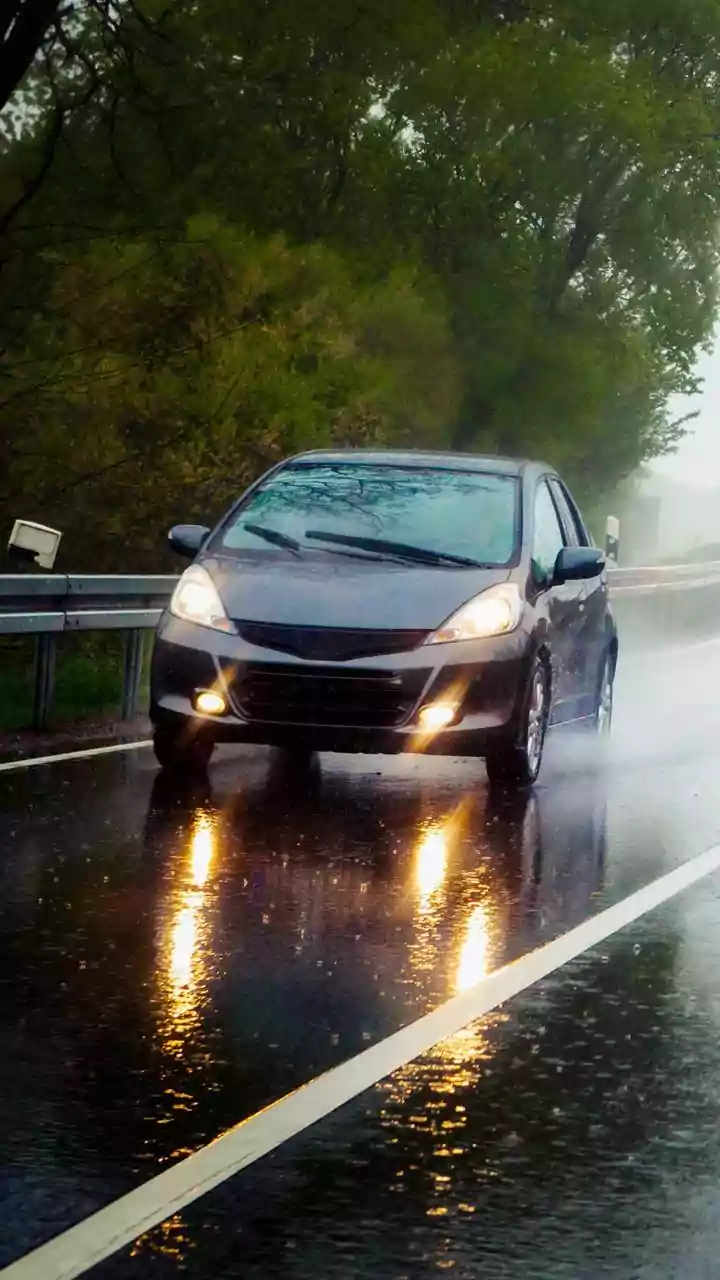
Hydroplaning, or aquaplaning, occurs when a layer of water builds up between your tyres and the road surface, causing a loss of traction and control. It can happen at speeds as low as 55-60 km/h, especially if tyres are worn. The mix of rainwater with oil and dust on the road creates a slick film, reducing grip significantly. To avoid hydroplaning, reduce your speed on wet roads, ensure your tyres have adequate tread depth, and avoid sudden braking or sharp turns. Driving in the tracks of the vehicle ahead can also help, as its tyres will have cleared some water from the path. If you feel your car start to hydroplane, do not panic or slam the brakes. Ease off the accelerator gently and steer straight until your tyres regain their grip.
Dealing with Reduced Visibility
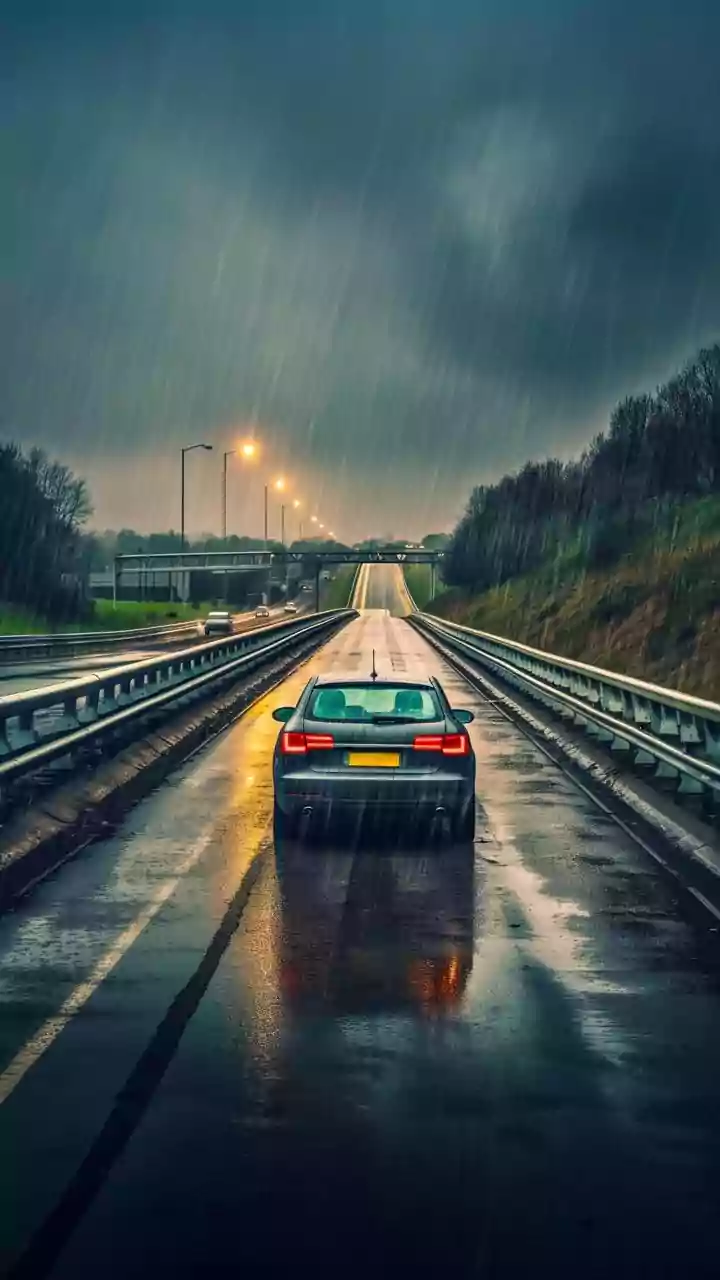
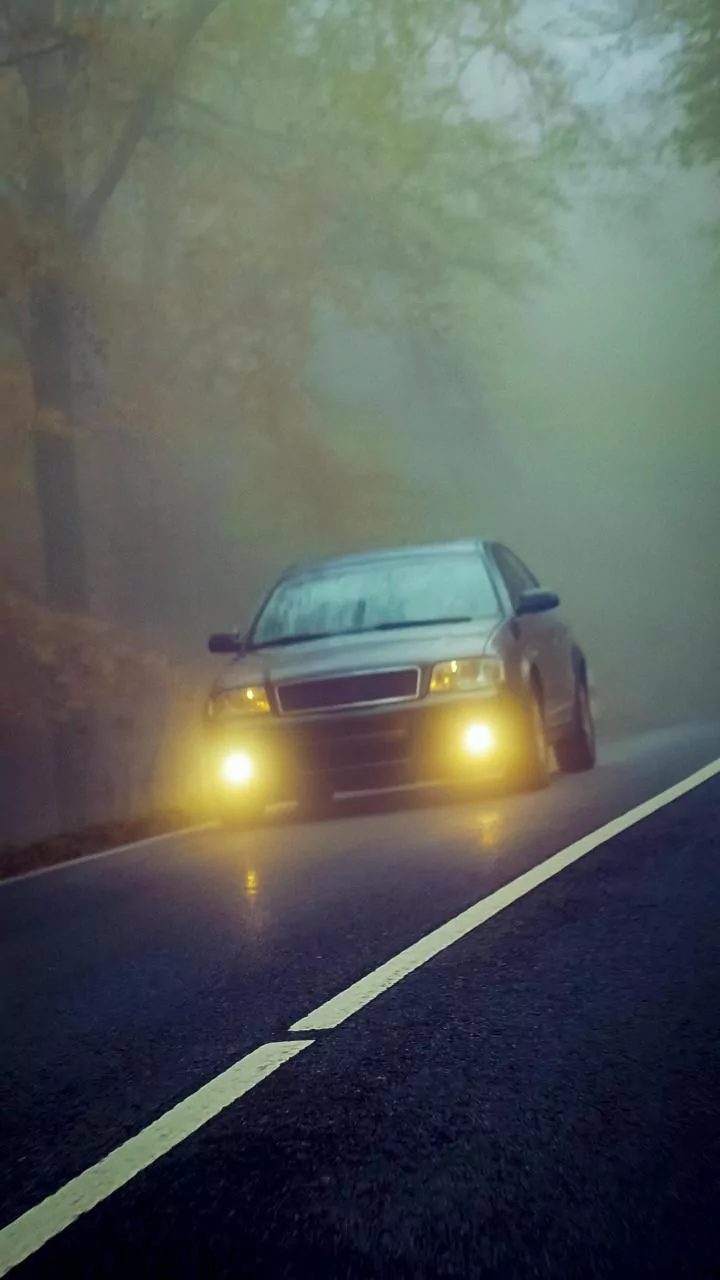
Heavy rain and fog drastically reduce visibility, making it difficult to spot hazards, pedestrians, or other vehicles. It is essential to see and be seen. Always turn on your headlights in rainy conditions, even during the day. Ensure your windscreen wipers are in good working order and replace them if they leave streaks. Use your defogger to keep the windows clear. Significantly increase your following distance from the vehicle in front, giving yourself more time to react and brake safely. Remember, braking distances are much longer on wet roads.
The Hidden Menace of Potholes
Monsoon rains wreak havoc on road surfaces, creating and hiding potholes under sheets of water. What may look like a harmless puddle could be a deep crater capable of causing severe damage to your tyres, wheels, and suspension. Hitting a large pothole at speed can even cause a driver to lose control. The best defence is to drive slower than usual on rain-affected roads, allowing you more time to spot and navigate around these hidden hazards. If you cannot avoid a pothole, slow down as much as possible before you reach it and roll through it without braking.
Pre-Monsoon Vehicle Checklist
Preparation is key to a safe monsoon driving experience. Before the rains set in, conduct a thorough check of your vehicle. Ensure your tyres have sufficient tread depth to channel water away effectively. Test your brakes, as their performance is critical on wet surfaces. Check all lights—headlights, tail lights, and indicators—to ensure you are visible to others. Replace worn-out wiper blades and top up your windshield washer fluid. Also, have your car's battery and wiring checked for any exposed or frayed parts that could cause a short circuit when in contact with water.