

The Unique Comfort of Chestnuts
Unlike other nuts, chestnuts have a distinct profile. They are lower in fat and higher in complex carbohydrates, giving them a soft, starchy texture when cooked, similar to a baked sweet potato. This makes them uniquely suited to adding body and a sense
of richness to dishes without relying on fat. Their flavour is mildly sweet, earthy, and nutty, a perfect complement to autumnal and winter ingredients. Nutritionally, they are a good source of fibre and vitamin C, setting them apart from other nuts and making them a wholesome addition to any meal.
Preparing Chestnuts for Cooking
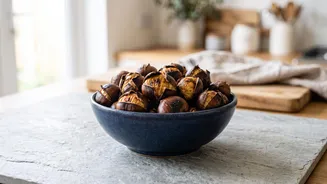
The most intimidating part of cooking with chestnuts is often the prep work, but it's simpler than it seems. If using fresh chestnuts, you must score an 'X' on the flat side of each nut with a sharp knife to prevent them from bursting. Then, you can roast them in a hot oven (around 220°C) for 20-30 minutes until the shells begin to peel back and the nut inside is tender. For easier peeling, wrap the hot chestnuts in a towel for a few minutes to steam. To save time, many stores now offer pre-cooked and peeled chestnuts in vacuum-sealed packs or jars, which are ready to use right away.
Silky Soups Without the Cream
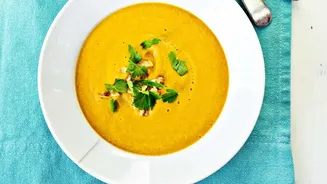
One of the best ways to appreciate the creamy potential of chestnuts is in a puréed soup. When blended, cooked chestnuts create a velvety, luxurious texture that rivals any dairy-based soup. Simply sauté aromatic vegetables like onions, carrots, and celery, then add cooked chestnuts and a quality vegetable or chicken stock. Simmer until everything is tender, then blend until perfectly smooth. The chestnuts act as a natural thickener, providing a rich mouthfeel. This method works beautifully for mushroom, squash, or potato and leek soups, delivering robust flavour without the heaviness.
Hearty and Flavourful Side Dishes
Move over, mashed potatoes. Chestnuts can transform simple side dishes into memorable parts of a meal. Roughly chop roasted chestnuts and toss them with roasted Brussels sprouts, bacon, and a drizzle of maple syrup for a classic sweet-and-savoury combination. They also add wonderful texture and a nutty flavour to rice pilafs or other grain dishes, especially when paired with mushrooms and herbs like thyme and sage. For a simple yet elegant side, try braising chestnuts with pearl onions until they are tender and glazed.
Building a Better Main Course
Chestnuts are substantial enough to be a star player in main courses, particularly for holiday meals or cozy vegetarian dinners. They are a traditional and essential ingredient in stuffing, where their soft texture and sweet flavour complement poultry and savoury herbs. For a vegetarian centrepiece, chestnuts can be used to create a rich and satisfying nut roast or folded into a creamy mushroom and leek pie. They also work wonderfully in pasta dishes, particularly with rich sausage and earthy greens, or as the base for a hearty winter stew.