

Why Your Plants Care About Moist Air
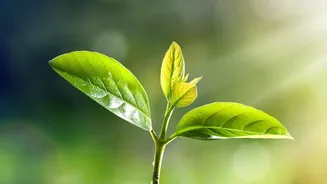
Most popular houseplants are native to tropical regions where the air is naturally heavy with moisture. They are adapted to this environment. Plants “breathe” and release water through tiny pores on their leaves called stomata in a process called transpiration.
When the air is dry, plants lose water through their leaves much faster than their roots can absorb it. This leads to dehydration, stress, and a host of other issues. Conversely, high humidity slows down this water loss, helping the plant stay hydrated and healthy. For many tropical plants, maintaining the right level of airborne moisture is just as important as watering the soil.
Signs Your Plant is Thirsty for Humidity
Plants are excellent communicators, and they will show you when the air is too dry. The most common sign is the browning and crisping of leaf tips and edges. This happens because the farthest parts of the leaf dry out first. You might also notice leaves curling inwards or downwards as the plant tries to conserve moisture. Other indicators include new growth that is slow or stunted, and leaves that appear wilted or droopy even when the soil is moist. In some cases, flower buds may drop before they even have a chance to bloom. If you see these signs, low humidity is a likely culprit.
Finding the 'Goldilocks Zone' of Humidity
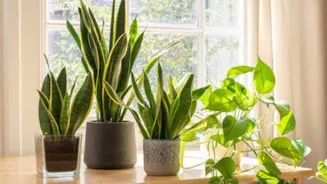
While many tropicals love moisture, not all plants are the same. A general sweet spot for a mixed collection of common houseplants is a relative humidity level between 40% and 60%. Plants like ferns, Calatheas, Marantas, and orchids thrive at the higher end of this range, often preferring 60% or more. On the other hand, plants native to arid environments, such as succulents, cacti, and Snake Plants, prefer lower humidity levels, typically between 10% and 40%. Too much humidity for these desert dwellers can encourage fungal diseases and rot. Knowing the origin of your plant can give you the best clue to its needs. An inexpensive tool called a hygrometer can help you measure the exact humidity level in your rooms.
Simple Ways to Increase Humidity
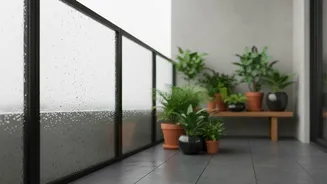
You don't need to turn your home into a jungle to keep your plants happy. One of the simplest methods is to group your plants together. As they all transpire, they create a small, humid microclimate around themselves. Another popular and low-cost technique is the pebble tray. Simply place your pot on a shallow tray filled with pebbles and water, ensuring the bottom of the pot sits on the stones and not in the water itself. As the water evaporates, it will increase the moisture in the immediate vicinity of the plant. For a quick but temporary fix, misting your plants can provide a short-term boost. Finally, consider placement. Bathrooms and kitchens are naturally more humid areas of the home and can be ideal locations for moisture-loving plants.
For Serious Plant Parents: The Humidifier
If you have a large collection of tropical plants or live in a particularly dry climate, investing in a humidifier is the most effective and reliable way to control humidity. Unlike misting or pebble trays which have a very localized and often minimal effect, a humidifier can consistently maintain the ambient humidity of an entire room within the ideal 40-60% range. This provides a stable environment that humidity-sensitive plants need to truly thrive, preventing the stress caused by fluctuating moisture levels. An ultrasonic cool-mist humidifier is a popular choice for home use as it is generally quiet, energy-efficient, and safe to use around pets and children.