


1. The Great Millet Makeover
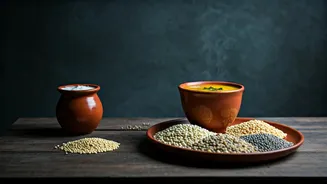
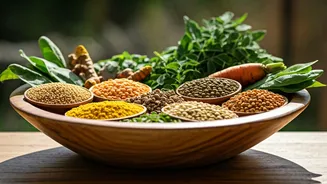
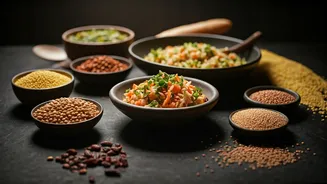
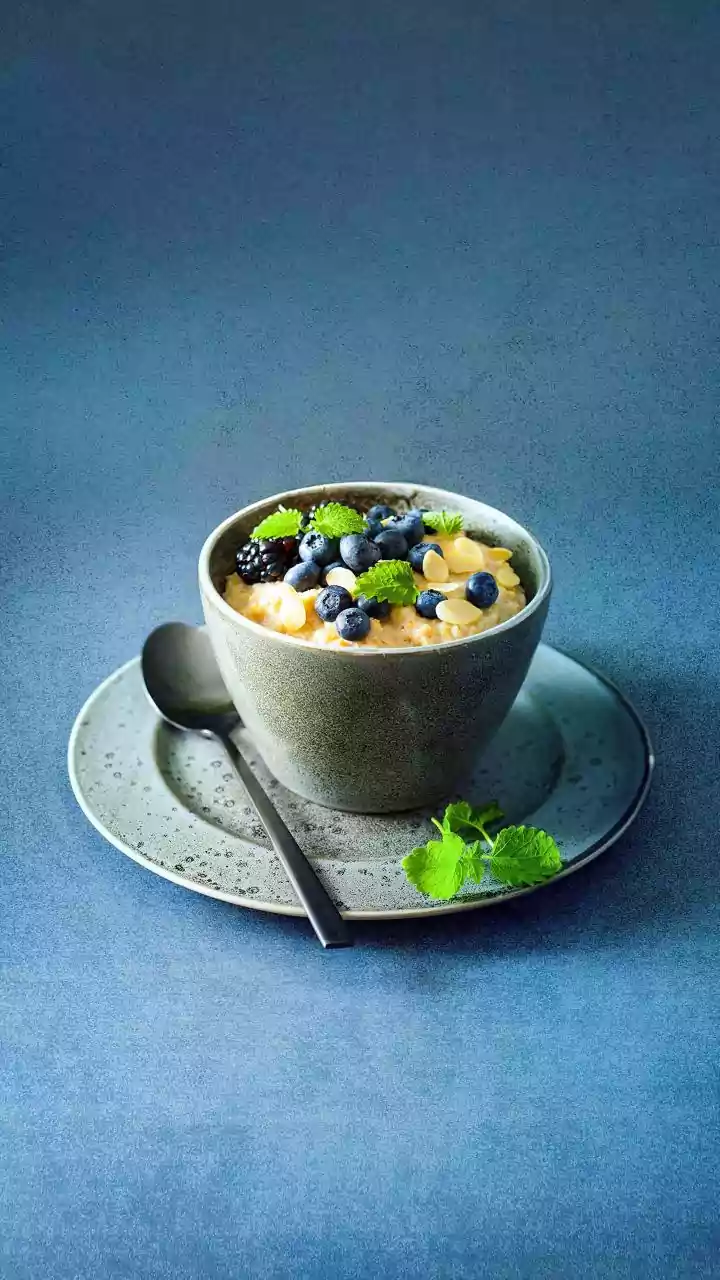
Suddenly, millets are the new quinoa. Jowar (sorghum), bajra (pearl millet), and ragi (finger millet) are no longer just humble regional staples; they are certified superfoods splashed across urban menus and Instagram reels. Why the sudden fame? For one,
they are nutritional powerhouses—gluten-free, high in fibre, and rich in essential minerals. This aligns perfectly with the global wellness movement’s shift towards whole, unprocessed foods. Furthermore, as climate change impacts agriculture, the drought-resistant nature of millets makes them a sustainable choice, a narrative that resonates deeply with environmentally-conscious millennials and Gen Z. From ragi pancakes to jowar tacos, creators are showcasing their versatility, proving that healthy eating can be both traditional and trendy.
2. Sattu's Rise as a Protein Hero
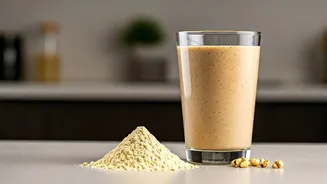
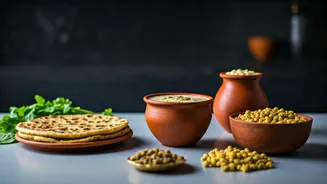
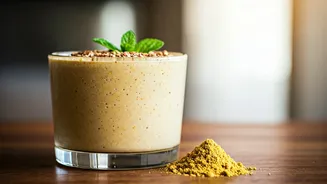
The humble sattu, a flour made from roasted gram, has long been a summer cooler in states like Bihar, Jharkhand, and UP. Today, it’s been rebranded online as India's answer to the whey protein shake. Gym-goers and fitness enthusiasts are sharing recipes for sattu shakes, energy balls, and even parathas. The appeal is straightforward: it’s an inexpensive, plant-based source of protein and fibre that keeps you full for hours. Its low glycemic index also helps in managing blood sugar levels. The virality comes from its authenticity and simplicity. In a market flooded with complex supplements, sattu represents a return to an effective, no-frills 'desi' solution that has been trusted for generations.
3. Intermittent Fasting, Desi Style
Intermittent Fasting (IF) isn't new, but its Indian adaptation is what’s trending. Instead of pairing it with Western diet formats like keto, people are applying the 16:8 or 14:10 fasting windows to their regular Indian meals. The eating window is filled with wholesome ghar ka khana—dal, roti, sabzi, and rice. This approach feels more sustainable and less restrictive for many. Nutritionists online are guiding followers on how to balance their macros within a traditional Indian thali, ensuring they get adequate protein and fibre while fasting. This trend highlights a desire to adopt modern wellness science without abandoning cultural food habits, making it a powerful and relatable movement.
4. The Immunity-Boosting Renaissance
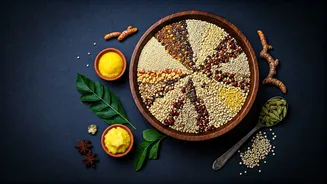
While 'Golden Milk' (haldi doodh) became a global café staple, its renewed popularity back home is part of a larger trend focused on traditional immunity boosters. The pandemic played a huge role here, reviving interest in Ayurvedic concoctions or 'kadhas' made with ingredients like tulsi, ginger, black pepper, and ashwagandha. Social media is filled with quick recipes and testimonials about their benefits for fighting off colds and improving overall well-being. This trend is less about weight loss and more about proactive health management using ingredients readily available in most Indian kitchens. It taps into a deep-seated cultural trust in herbal remedies, now amplified by the reach of digital platforms.
5. The Gut Health Movement
The conversation around gut health is no longer niche. Online, the focus is shifting to traditional Indian fermented foods that promote a healthy microbiome. Beyond just dahi (yoghurt), there's a growing appreciation for rice kanji (fermented rice water), homemade pickles (consumed in moderation), and fermented vegetable drinks. Influencers and health coaches are explaining the science behind probiotics and prebiotics using these familiar examples. This trend connects the dots between traditional food preservation methods and modern digestive wellness, showing that the secrets to a healthy gut might already be in our grandmothers' kitchens, waiting to be rediscovered.