





Why Leaks Demand Your Immediate Attention
Water leakage is a widespread issue in Indian homes, capable of causing everything from peeling paint to significant structural damage. The costs associated with water damage restoration can be substantial, often running into thousands of rupees, far
exceeding the expense of preventative checks. Ignoring a small drip from a pipe or a damp spot on a ceiling can lead to weakened walls, mould growth posing health hazards, and damage to electrical wiring. In contrast, a strategy focused on prevention saves money, preserves your property's value, and avoids the stress of emergency repairs. Under the Model Tenancy Act, 2021, landlords are generally responsible for major structural repairs, including issues like water seepage and plumbing problems that existed before the lease.
Building Your Annual Leak-Focused Calendar
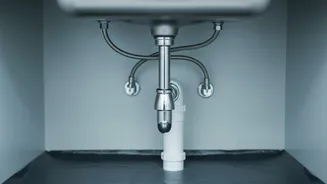
A structured, year-round calendar is your best defence. By breaking down tasks by season, you can stay ahead of potential problems, especially in a country with diverse weather patterns like India. This approach allows you to conduct routine checks without being intrusive. Pre-Monsoon (April-May): This period is critical for preventing rainwater intrusion. Thoroughly inspect and clean roofs, gutters, and outdoor drainage pipes to prevent blockages and overflows. Check for cracks in exterior walls and ensure window and door frames are properly sealed to stop water from seeping in. Monsoon (June-September): During the rains, be vigilant. After heavy downpours, quickly check for any new signs of dampness on ceilings and walls. Address any issues that arise immediately to prevent them from worsening. Post-Monsoon (October-November): Once the rains subside, conduct a thorough inspection to assess any damage. This is the ideal time to repair cracks that may have appeared and address any seepage issues before they become chronic. Winter and Summer (December-March): With drier weather, focus on internal systems. Inspect plumbing under sinks, behind toilets, and around water heaters. Check the hoses for washing machines and dishwashers for any signs of wear, like cracks or bulges. This is also a good time for routine servicing of air conditioning units, ensuring their drainage pipes are clear.
Your Essential Leak Inspection Checklist
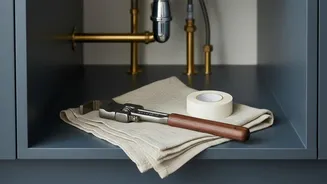
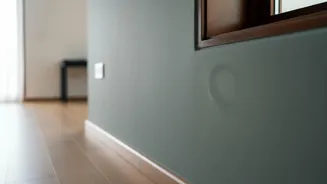
Regular inspections are key to catching problems early. During your scheduled checks, whether monthly or quarterly, focus on these common trouble spots: - Kitchen & Bathrooms: Look under sinks for drips or water stains. Check the seals around toilets and in shower areas for gaps or decay. Worn-out grout between tiles is a common entry point for water. - Appliances: Inspect the hoses connected to washing machines, dishwashers, and water purifiers. These can become brittle and crack over time. - Ceilings & Walls: Visible signs like damp spots, discoloured patches of yellow or brown, or bubbling and peeling paint are red flags for a hidden leak. - Odours & Mould: A persistent musty smell often indicates hidden moisture or mould growth, even if you can't see a leak. - Pipes & Fixtures: Check visible pipes for corrosion or leaks at the joints. Test taps and faucets for drips, which tenants might not report.
Partner with Your Tenants for Success
Your tenants are your first line of defence. While landlords are typically responsible for major structural repairs, tenants have a duty to take reasonable care of the property and report issues promptly. When a new tenant moves in, explain the importance of reporting even the smallest leak immediately. Clearly outline the procedure for lodging a maintenance request, using recorded communication like email or WhatsApp to ensure transparency. Providing tenants with a simple list of things to watch for, such as dripping taps or slow-draining sinks, empowers them to help you protect the property. A good rental agreement should clearly define these responsibilities to avoid disputes.
When to DIY and When to Call a Professional
Knowing your limits is important. Minor tasks like tightening a loose faucet or clearing a simple drain clog can often be handled yourself. However, for most leak-related issues—especially those hidden within walls, related to roofing, or involving complex plumbing—it is always best to call a qualified professional. Poorly executed repairs can lead to even greater damage. Faulty plumbing is a leading cause of leaks, and professional plumbers have the tools and expertise to diagnose the root cause and fix it correctly. Building a relationship with a reliable plumber can be invaluable for both routine maintenance and unexpected emergencies.