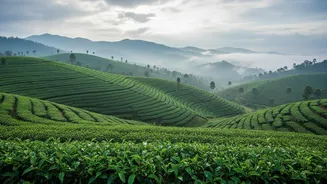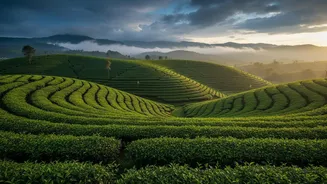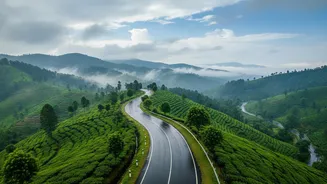




Choose Your Destination Wisely
The magic of a monsoon trip begins with picking the right spot. While the rains turn many places into a green paradise, they also heighten risks of landslides and flooding in others. As of August 2026, authorities continue to advise caution for travel
to certain regions known for slope instability. It's wise to avoid areas with a history of landslides, such as parts of the Himalayas in Himachal Pradesh and Uttarakhand, and the steeper ghats in the Western Ghats, especially during peak monsoon months. Instead, consider destinations on plateaus or regions with better infrastructure and lower rainfall intensity. Places like Udaipur, Pondicherry, Lonavala, and Coorg are often cited as relatively safer monsoon getaways, but it's crucial to check current conditions before you book. Always look for real-time local advisories, not just generic travel guides.
Route Planning is Non-Negotiable
The journey itself is a major part of your monsoon adventure, and ensuring its safety is paramount. Before you start, thoroughly check your vehicle. This means examining your tyres for good tread, ensuring your brakes are effective, and confirming your headlights and wipers are in perfect working order. On the road, the rules change. Reduce your speed significantly, as wet roads increase braking distances and the risk of skidding. Maintain a greater distance from the vehicle in front of you. Avoid driving at night if possible, as visibility is severely reduced and it's harder to spot potholes or debris on the road. Most importantly, check the route status before and during your travel. Use official sources and traffic apps to stay updated on road closures, waterlogging, or diversions. Never attempt to drive through a flooded road if you can't judge the water's depth.
Select a Safe and Dry Sanctuary
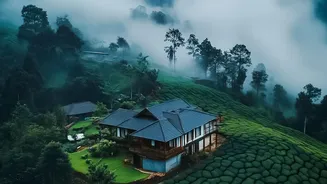
Your choice of accommodation can make or break a rainy-day holiday. A damp room with power cuts is no one's idea of a cosy retreat. When booking a hotel or homestay, do your research. Look specifically for reviews from guests who have stayed during previous monsoon seasons. Contact the property directly and ask about their monsoon preparedness. Do they have a reliable power backup system? What measures do they take for insect control? Is the property located on high ground, away from areas prone to waterlogging? In hilly areas, confirm the location is not in a landslide-risk zone. A hotel with an in-house restaurant is a big plus, saving you from venturing out for meals during a downpour. Opting for places with good indoor amenities like a common room, games, or a spa can ensure you have a good time even if you're rained in.
Pack Smart to Stay Comfortable
Packing for a monsoon trip requires a different strategy. The goal is to stay dry and comfortable, and for your belongings to do the same. Prioritise synthetic, quick-drying clothes over cotton, which takes a very long time to dry in high humidity. A reliable raincoat or poncho is often more practical than an umbrella, which can be useless in strong winds. Your footwear should be waterproof with a good grip; avoid flip-flops or slippers that can be treacherous on wet surfaces. To protect your valuables, use waterproof bags or even simple zip-lock pouches for electronics, documents, and cash. It's also smart to pack a basic medical kit with medication for common monsoon ailments, along with mosquito repellent. Having a power bank is essential for keeping your devices charged during potential power outages.
Be Flexible and Stay Alert
Once you've arrived, the key to a successful monsoon trip is to remain adaptable and aware of your surroundings. Weather can change rapidly. Keep an eye on daily local forecasts. That trek to a waterfall might seem like a great idea, but it can be dangerous if the path is slippery or if streams are swollen. Avoid getting too adventurous and stick to well-trodden, safe paths. Always heed local advice and warnings. Be flexible with your itinerary; if conditions are unsafe for a particular activity, have a backup plan. Enjoying the rain from a safe, covered balcony with a hot cup of tea can be just as memorable as any outdoor excursion. The aim is to enjoy the atmosphere of the monsoon, not to fight against it. A little caution allows you to do just that.