






First, What Is This UPI System?
UPI, or Unified Payments Interface, is a real-time payment system that has fundamentally changed how money moves in India. Launched in 2016 by the National Payments Corporation of India (NPCI), it’s not an app itself, but a powerful infrastructure that connects
all of the country's major banks. Think of it as a common language that allows different payment apps—like Google Pay, PhonePe, or a bank's own app—to talk to each other seamlessly. A user with an account at one bank can instantly send money to someone at a completely different bank using a simple, memorable ID (like an email address) instead of complex account numbers. The system works 24/7, settles transactions in seconds, and is built for a mobile-first world.
The Secret Sauce: Why It Conquered India
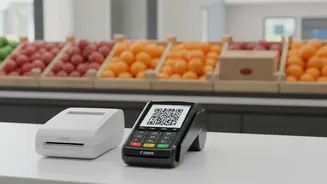
UPI’s meteoric rise, especially among small merchants, boils down to a few game-changing features. The most significant is its cost—or lack thereof. Thanks to a government-backed policy, transactions are typically free for both consumers and businesses. This eliminates the 1.5% to 3.5% processing fees that U.S. businesses routinely pay for credit card transactions. For a small shop owner or street vendor, accepting digital payments becomes as cheap as accepting cash. Another key is interoperability. A customer using any UPI-enabled app can pay a merchant using any other UPI-enabled app by scanning a single, universal QR code. This removes the need for expensive card readers or multiple payment systems. Finally, payments settle instantly, directly into the business’s bank account, which is a massive boost for cash flow compared to waiting days for card payments to clear.
The American Landscape: A Different Story
While the U.S. is also seeing a decline in cash use, the digital payment landscape is far more fragmented and expensive for small businesses. Instead of a single, unified system, American businesses juggle credit card networks, each with its own fees, and a collection of popular but separate peer-to-peer apps like Zelle and Venmo. While Zelle offers fast, often free bank-to-bank transfers, it's primarily designed for trusted transactions and lacks merchant-friendly features like payment links or robust dispute protection. Venmo is more consumer-facing but charges businesses a transaction fee of 1.9% + $0.10 and holds funds in a separate balance. This environment leaves businesses paying hefty fees for card acceptance or dealing with the limitations of consumer-focused apps that don't fully integrate with their operations.
Could a UPI Model Work Here?
The U.S. is making strides toward faster payments with the Federal Reserve's FedNow service. Launched in 2023, FedNow provides real-time, 24/7 payment infrastructure for participating banks, similar to UPI's core function. However, key differences remain. FedNow is a bank-to-bank system that still requires routing and account numbers, not a simple user ID, and it's not free—the Fed charges fees for its use. Creating a truly UPI-like open network in the U.S. faces significant hurdles, including the established, profitable business models of card networks and the lack of a centralized push for a single, interoperable standard across all consumer apps. While systems like FedNow are a step forward, they are more an evolution of the existing banking rails than a complete reinvention in the style of UPI.